
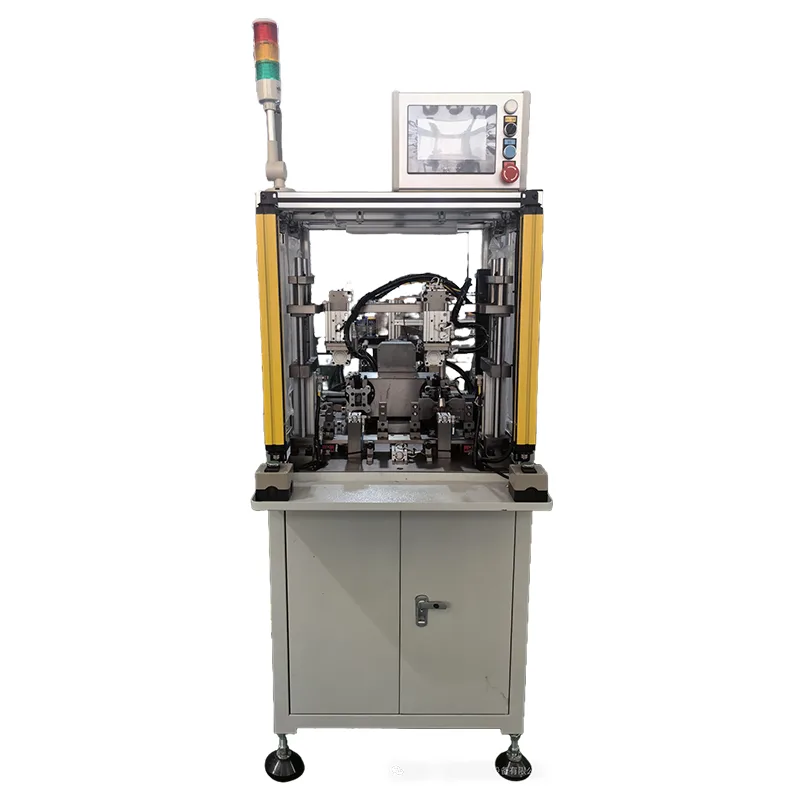
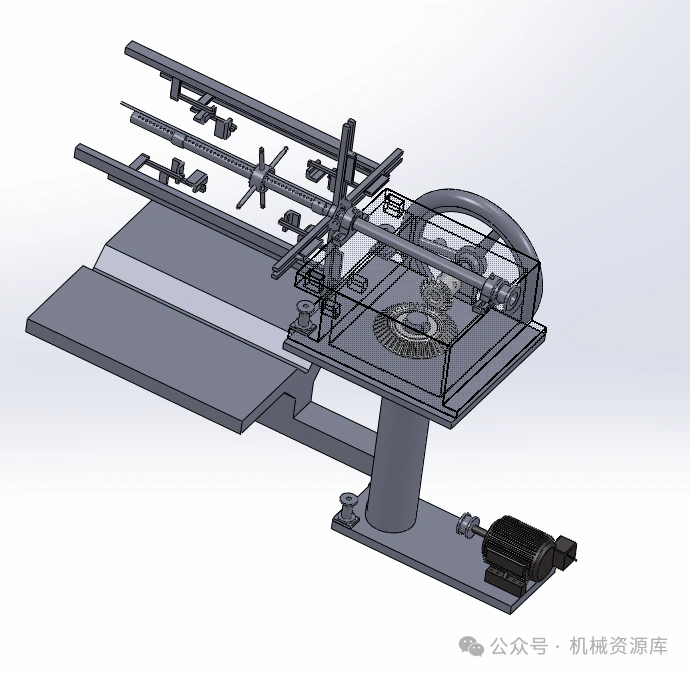
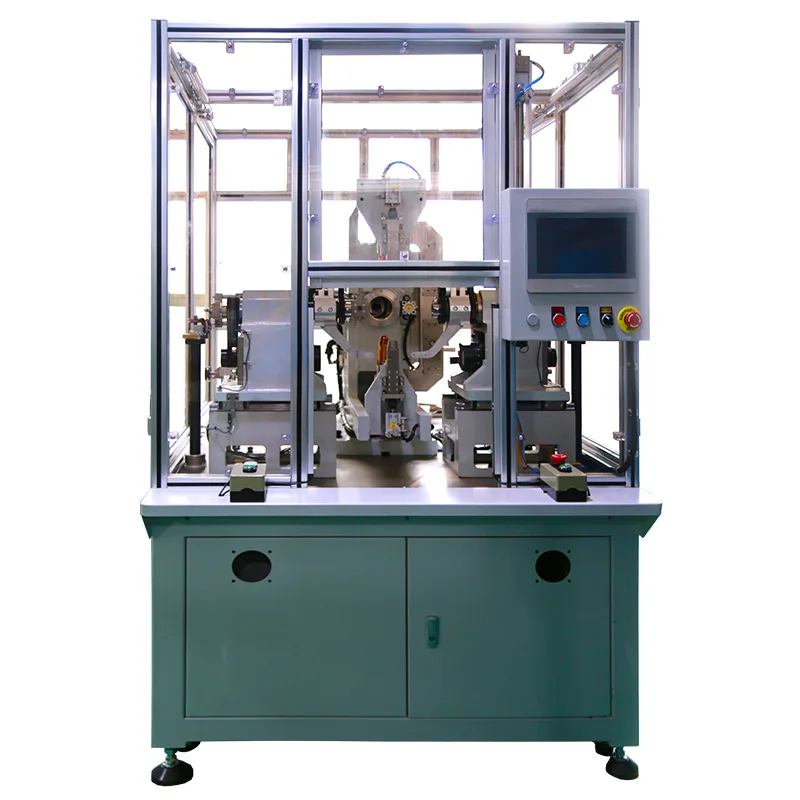
What it does
Winds wire onto coil bobbins or motor parts along a set path and number of turns.
How it works
The winding motion is synchronized with the traverse guide while tension control restrains the wire, forming the specified turn sequence; spindle, flyer and needle types correspond to different motion chains.
Process steps
- Clamp the part
- Thread the wire and set tension
- Locate the start lead
- Wind and traverse in sync
- Fix the finish lead and check
Key inputs
- Access to the part
- Wire diameter and insulation
- Winding direction / turns
- Tension range
Common misconceptions
- Spindle, flyer and needle winding have different motion chains; in needle winding the needle guides the wire, so the part need not spin at high speed.
Limits of application
- Motor coil winding and battery electrode winding differ in materials and motion requirements.
- Varnish impregnation and electrical testing are later steps; whether they are integrated depends on the machine configuration.
Functional modules
Work fixture
Holds the coil bobbin or motor part and keeps the winding position.
Main winding motion
Creates the relative motion between wire and part needed to form the coil.
Wire guide / traverse
Guides the wire to the set position and lays it in turn order.
Tension and wire supply
Supplies wire continuously and controls tension during winding.
Control and counting
Coordinates winding and traverse motions and records the number of turns.
Manufacturer & technical sources
Continue with manufacturer product pages, operating principles and technical information for this equipment type.