
What it does
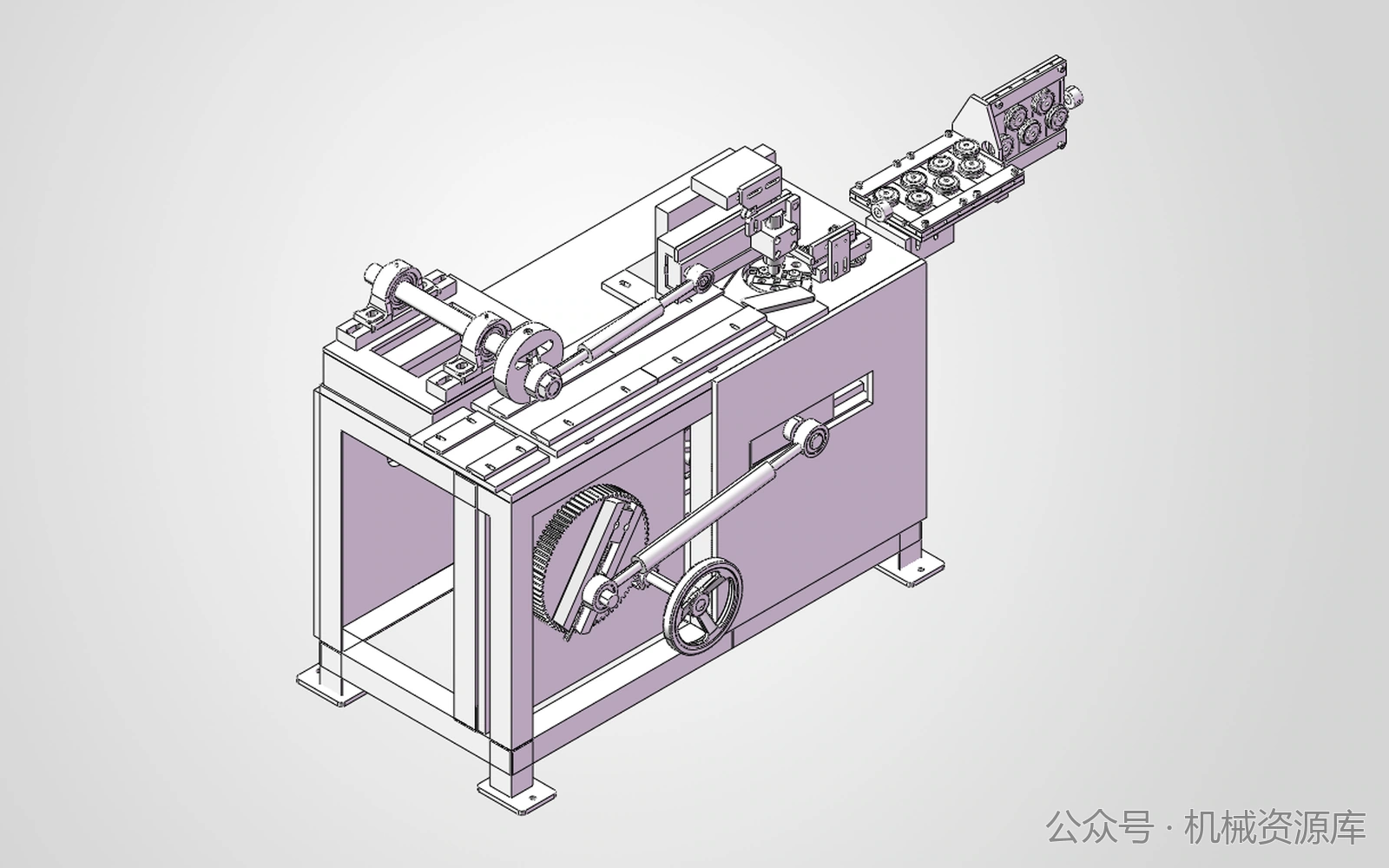
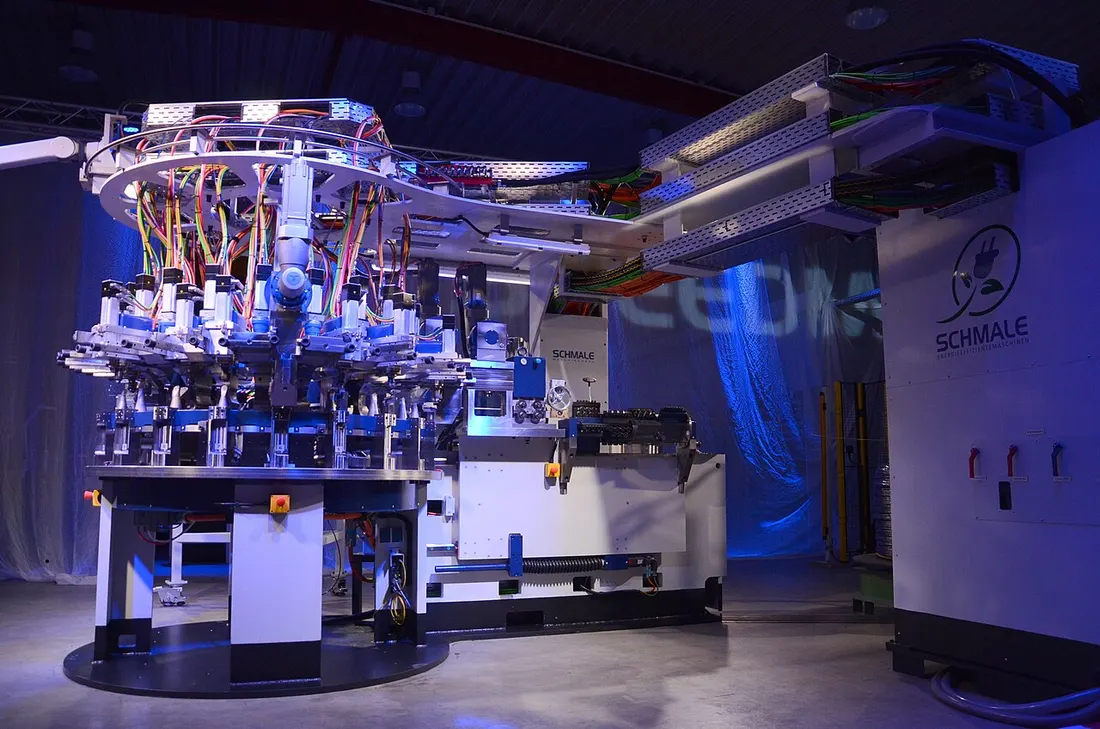
Feeds wire into the tooling by set lengths and bends it by program into flat or 3D shapes before cutting it off.
How it works
Feed rolls set each straight length, the bending axis turns the tool around the forming pin, and orienting and auxiliary motions set different bending planes. Wire from a coil is usually straightened first, CNC coordinates feeding, bending and cutting, and machines use different orienting and tooling designs.
Process sequence
- Prepare wire, tooling and program
- Straighten and feed
- Bend and reorient as needed
- Repeat straight lengths and bends
- Cut off and remove
- Check shape and springback
Key inputs
- Wire diameter, material and strength
- Bend radii and 3D shape
- Feed and straightening condition
- Tool clearance, cut-off and springback
Common problems
- Feed slip causing length errors
- Residual curvature or twist
- Springback and wire batch variation
- Tooling interfering with formed sections
Limits of application
- Wire forming and draw bending of thick-wall tube do not use the same tooling
- Rotary straightening is one configuration
- Integrated stamping, welding or end machining are optional functions
Functional modules
Payoff and straightening
Provide steadier wire
Feed rolls
Control feed length
Bending head and auxiliary axes
Set angle and plane
Cut-off and program
End the part and organize the cycle
Manufacturer & technical sources
Continue with manufacturer product pages, operating principles and technical information for this equipment type.