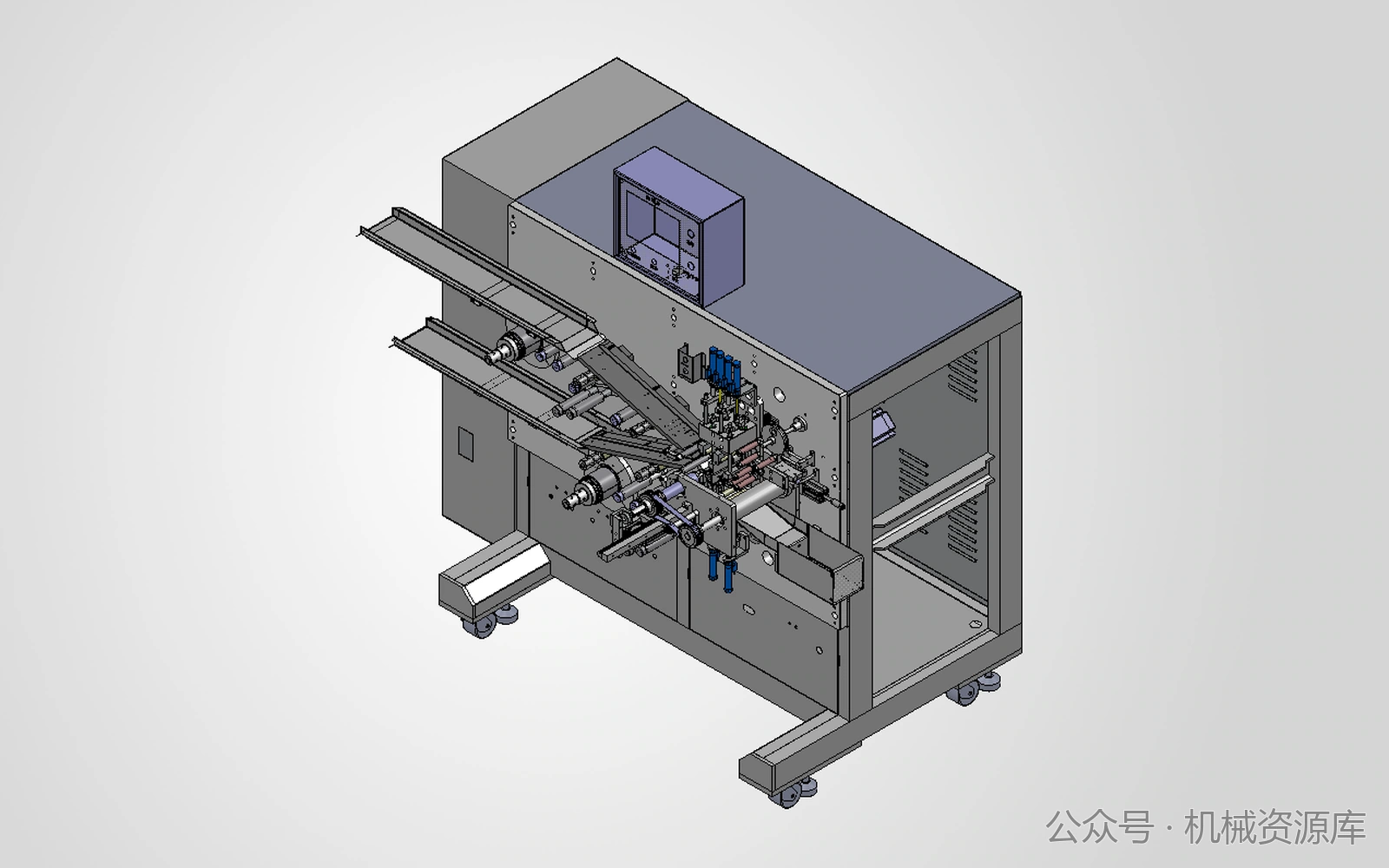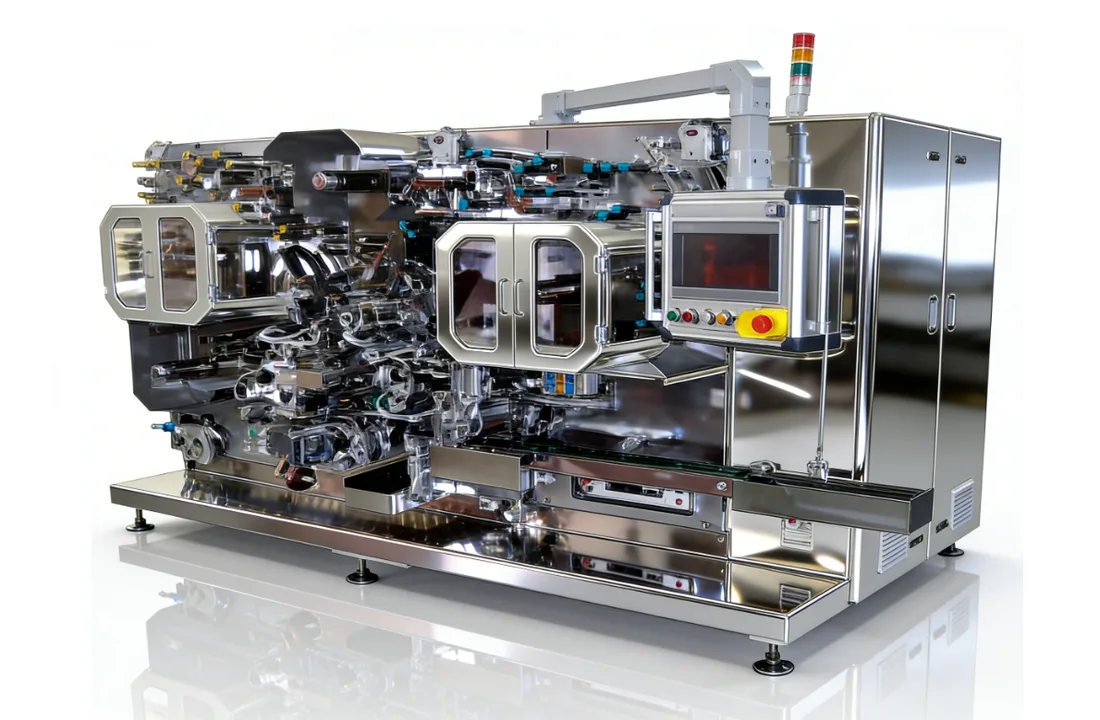

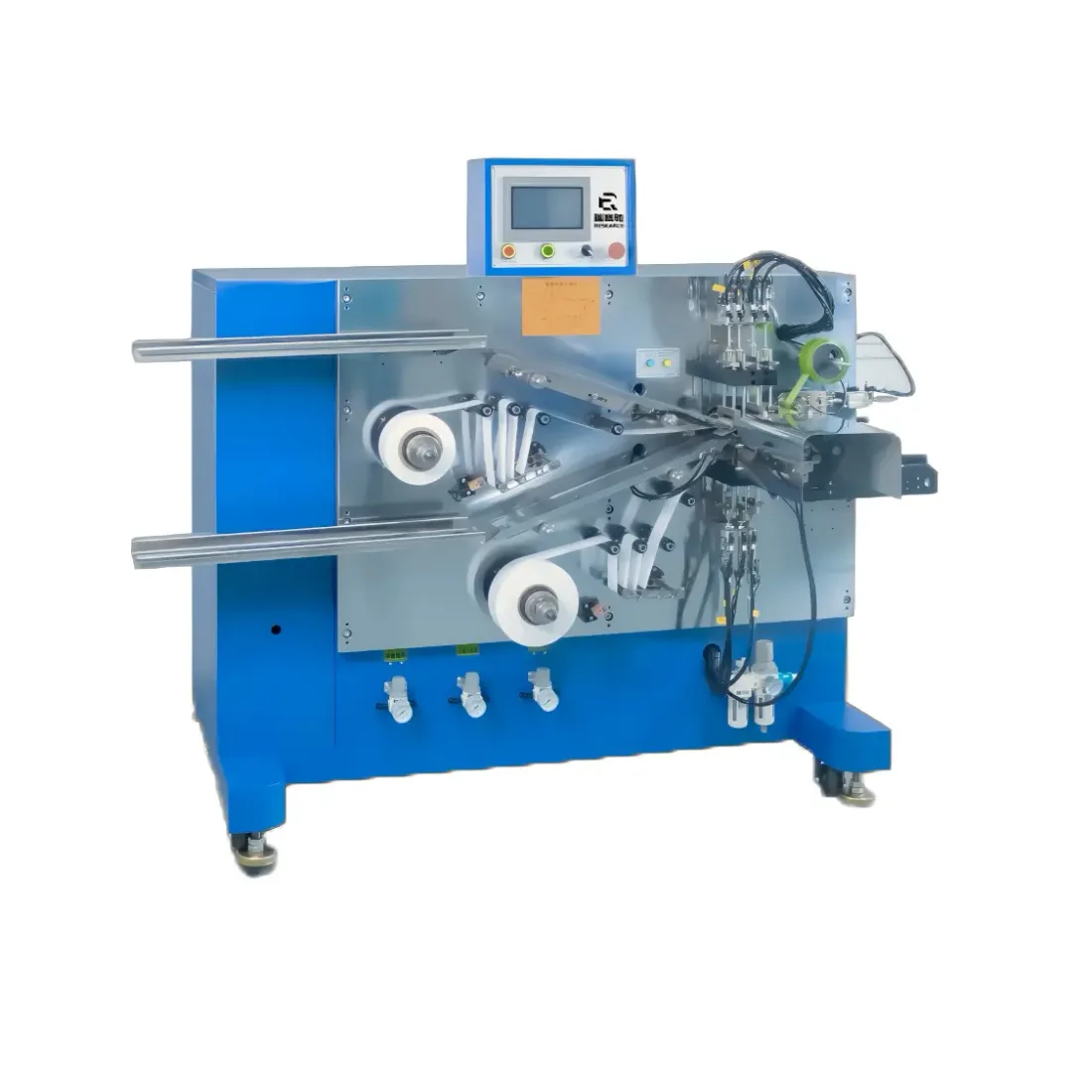
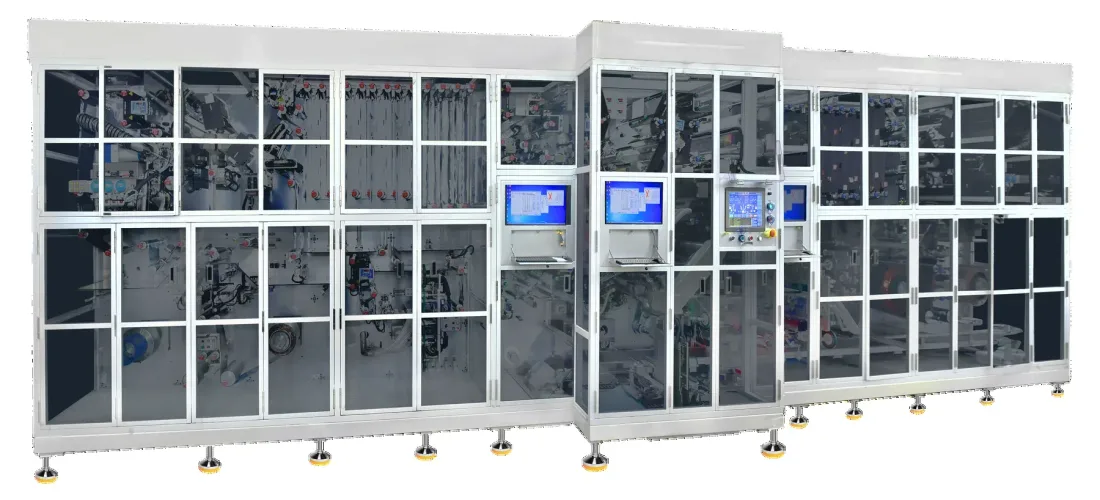
What it does
Winds electrode sheets and separator in the specified layer order into flat electrode assemblies for prismatic or pouch cells.
How it works
Positive and negative electrodes and separators enter the mandrel under independent tension and edge control, forming a flat jelly roll as the mandrel turns; at the target length or turn count they are cut and held with end tape. Mandrel withdrawal and unloading must avoid layer shift, followed by shaping and inspection per the process.
Process sequence
- Thread webs and check layer order
- Grip the start
- Wind under tension and guiding
- Cut to length
- Tape the end
- Pull the mandrel, unload and inspect
Key inputs
- Electrode and separator widths and overhang
- Mandrel shape, roll length and tab positions
- Tension, edge position, static and mandrel withdrawal
Common problems
- Layer misalignment or separator wrinkles
- Electrode particles and burrs
- Layers pulled with the mandrel, loose or deformed rolls
Limits of application
- Prismatic cells often use stacking, not always winding
- Flat roll mandrels and shaping differ from cylindrical rolls and cannot use the same roll diameter criteria
Functional modules
Multi-web unwinding
Feeds electrodes and separators separately
Web guiding and tension
Keeps layers aligned and stressed
Mandrel, gripping and cutting
Starts the roll and controls start and end
Unloading and inspection
Pulls the mandrel and checks the roll
Manufacturer & technical sources
Continue with manufacturer product pages, operating principles and technical information for this equipment type.