
COMPONENT / V-BLOCK

V-Block

V-Block · Norelem
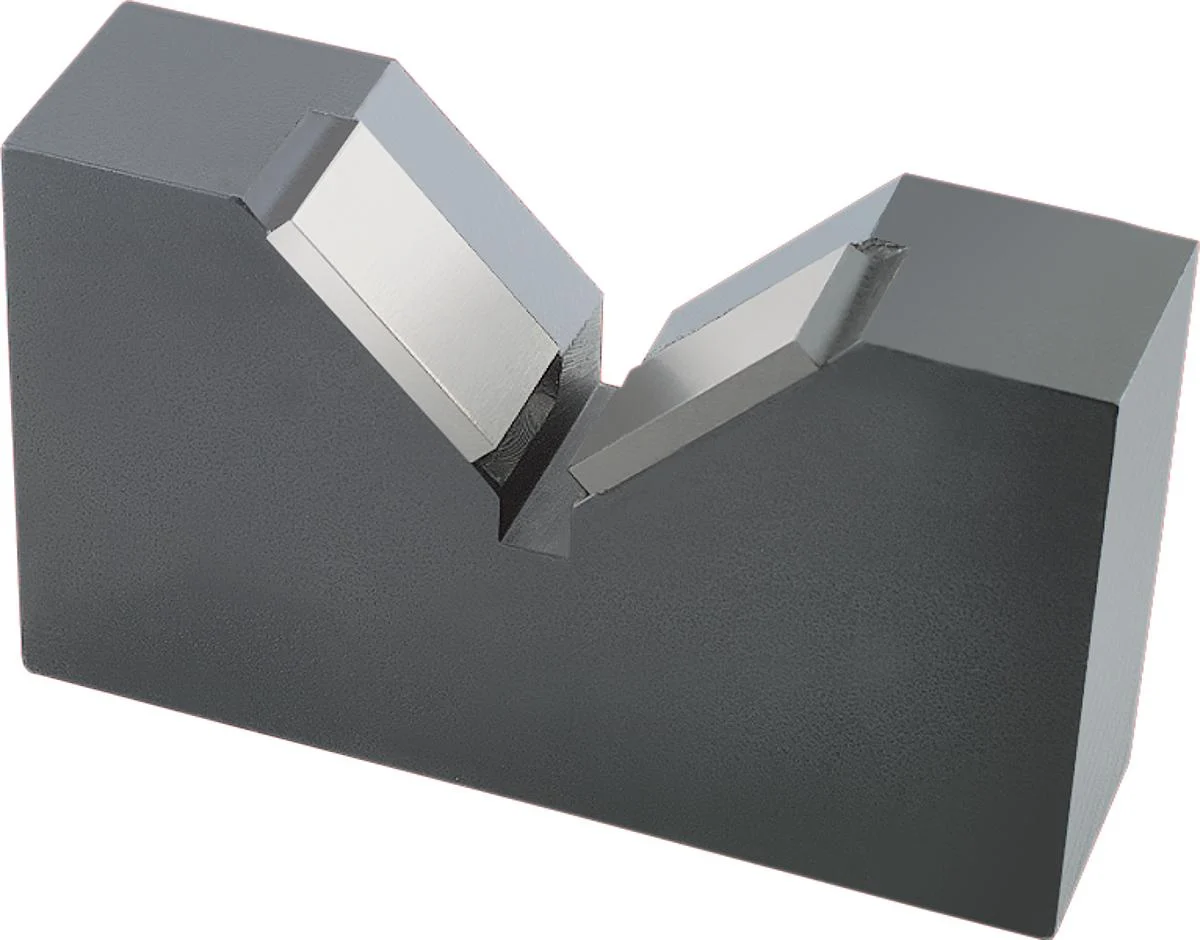
Manufacturer illustration · NorelemPictured model: 33090Original source
01 / INTRODUCTION

What is it?

A locating part that supports a cylindrical workpiece in a V groove; the version shown has a 90° groove.

02 / CONSTRUCTION

Construction & recognition

The two flanks of the V groove give a shaft or pipe two contact lines, and the base provides the mounting datum.

03 / APPLICATIONS

Common applications

Centering, inspection and locating of round parts; with a clamping element it can serve in cutting fixtures.
Browse this category

Image copyright belongs to the manufacturers or original authors. Brands and models identify illustrations; consult official documentation when selecting parts.

ONLY ON MECHWIKI / SELECT · BUY · MAINTAIN

Before you use it: lifetime, selection, variants, sellers, uses

The notes below cover the “Supports & zero-point systems” category. MechWiki prepared these category notes from public standards and engineering references. Use the selected manufacturer’s catalog for ratings, life factors and dimensions.

04 / LIFETIME

Lifetime & replacement criteria

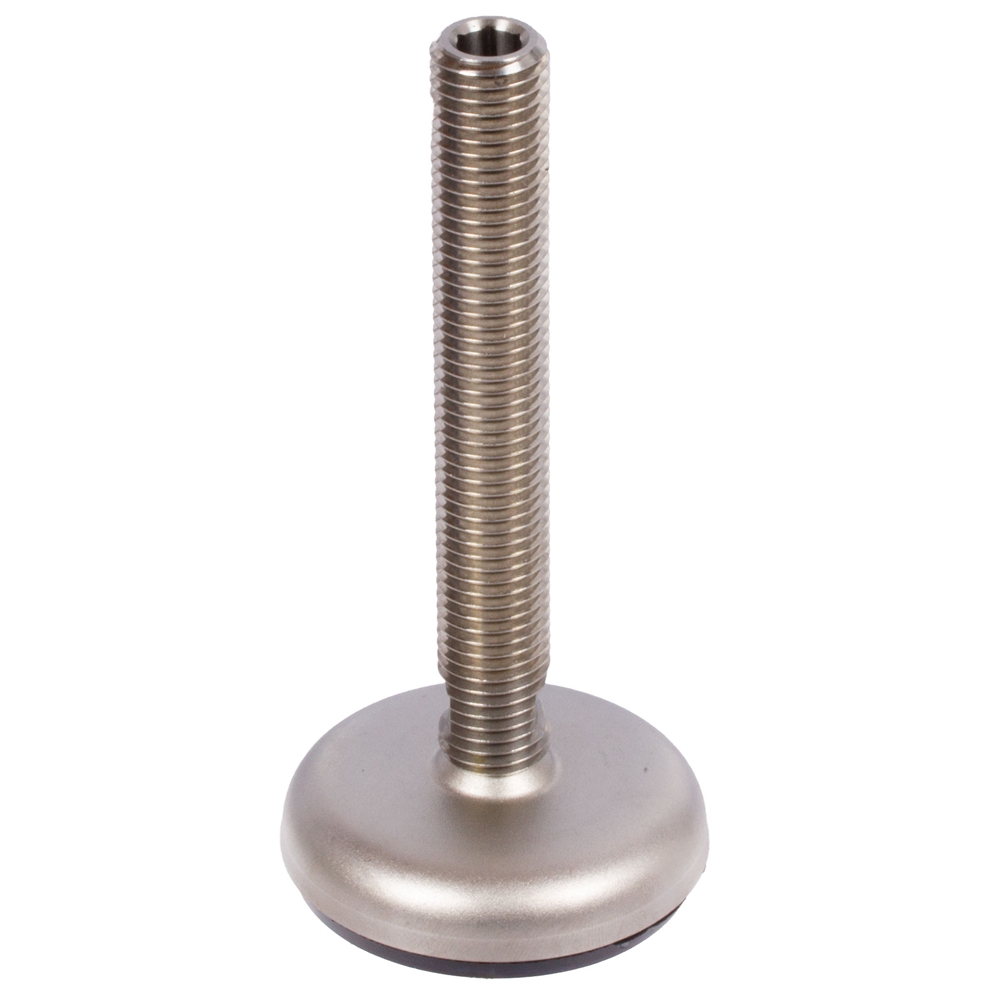
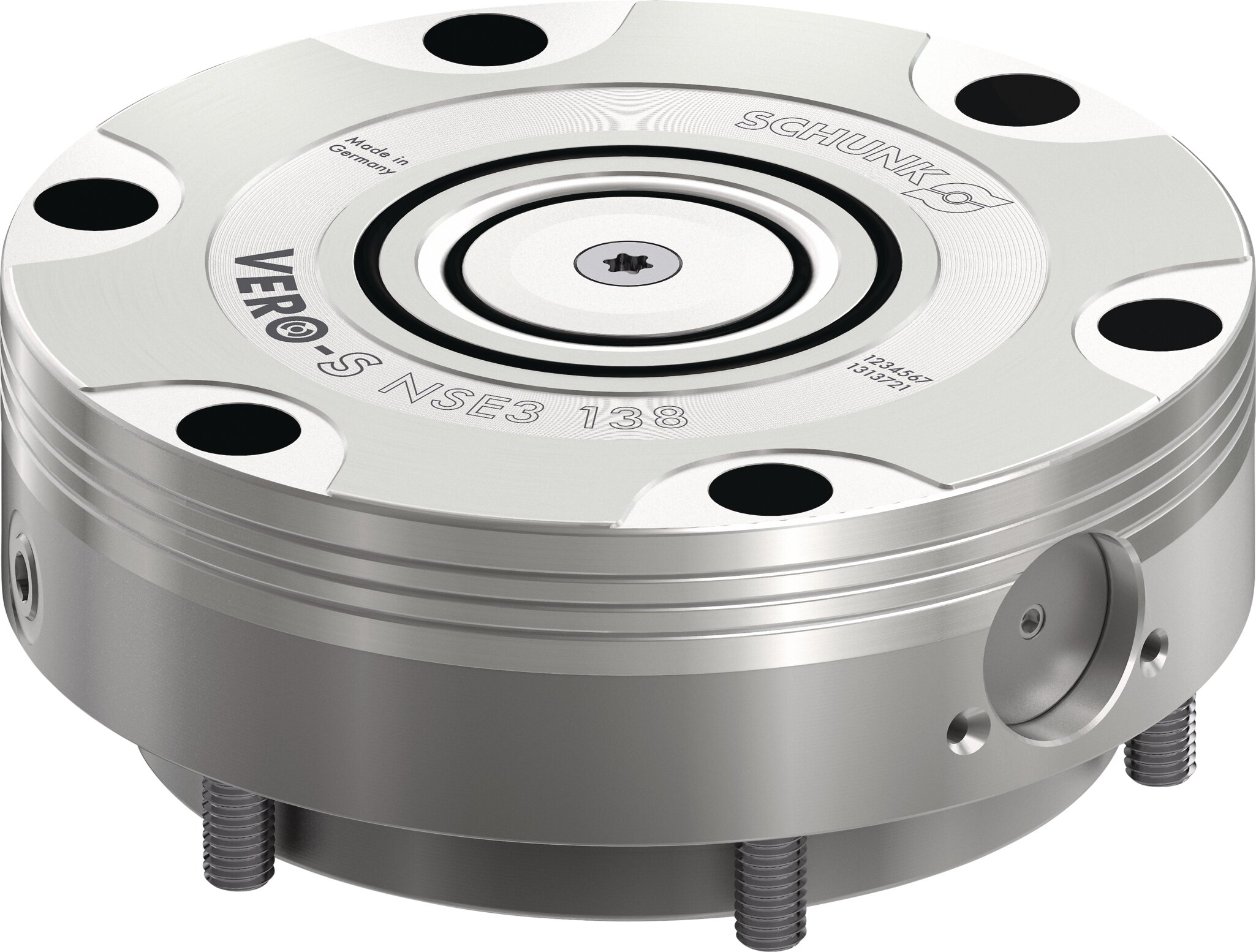
Adjustable supports can fail from thread wear, faulty locking or crushing at the support surface. Zero-point system life is measured in clamping cycles. Pull-stud and locking mechanism wear, spring fatigue and seal aging affect life. Chips can reduce repeatability.

When to replace: Repair or replace an adjustable support if it cannot hold its setting or if the pad is worn or crushed. A zero-point system needs service if repeatability is out of tolerance, clamping force drops, release binds or air or oil leaks.

05 / SELECTION

How to select

  1. Choose adjustable supports by load and adjustment range. They must lock reliably after setting. An auxiliary support should preserve the established location.
  2. Size and count zero-point modules according to pull-in force, repeatability and pallet dimensions.
  3. Select pneumatic, hydraulic or mechanical release and decide whether chip blow-off or seating detection is needed.
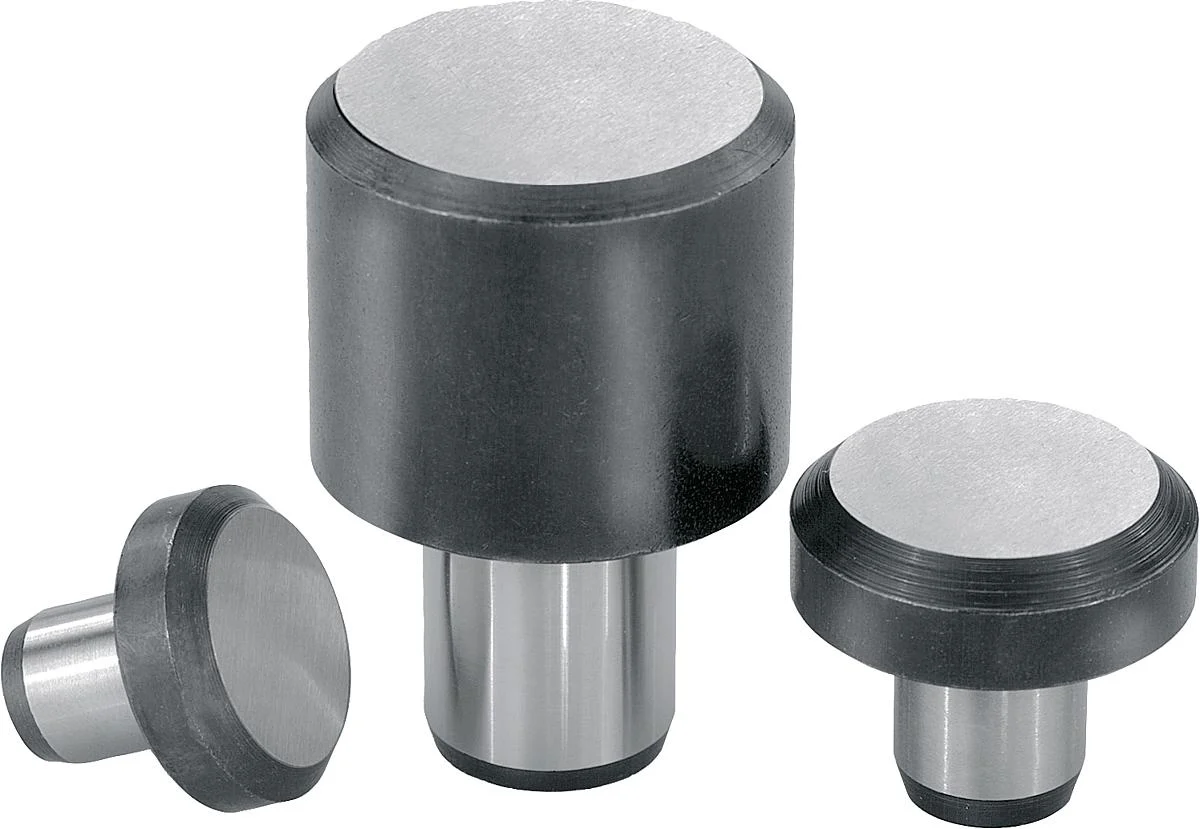
  4. Combine locating, compensating and clamp-only pull studs to avoid overconstraint.
  5. Use a common mounting pitch for pallets and bases to allow exchange between machines.
TOOLS / CALCULATE

Related selection calculators

Use these calculators for a preliminary estimate, then verify the result against this entry, the manufacturer catalogue and installation limits. Results do not replace a specific model rating.

06 / VARIANTS

Common designations & derived parts

  • Thread-adjustable supports, spherical support pads and locknut types
  • Spring-loaded floating supports and hydraulic or pneumatic auxiliary supports
  • Zero-point chucks with pneumatic, hydraulic or mechanical release
  • Locating, one-direction compensating and clamp-only pull studs
  • Multi-station base plates and versions with air cleaning and seating detection

Pictured models: Norelem 33090

07 / SELLERS

Who sells it

The directory links to manufacturer selection and CAD resources and identifies the maker of the pictured example. Check stock and lead time with the supplier. Price comparison and ranking are not available yet.

08 / WHERE IT IS USED

Typical uses & where it sits in machines

Centering, inspection and locating of round parts; with a clamping element it can serve in cutting fixtures.
Machine tableBase plateWorkpieceLocating pinsToggle clampCompression springStrap clampWasherNutSwing clamp cylinderIndex plungerHere: Supports &zero-point systemsZero-point modules
Fixture stationSchematic, not to scaleArrow: Zero-point modules
Auxiliary supports for machining fixturesQuick exchange of pallets and fixturesCommon datums for fixtures shared by several machinesRepeatable locating at inspection and assembly stations