
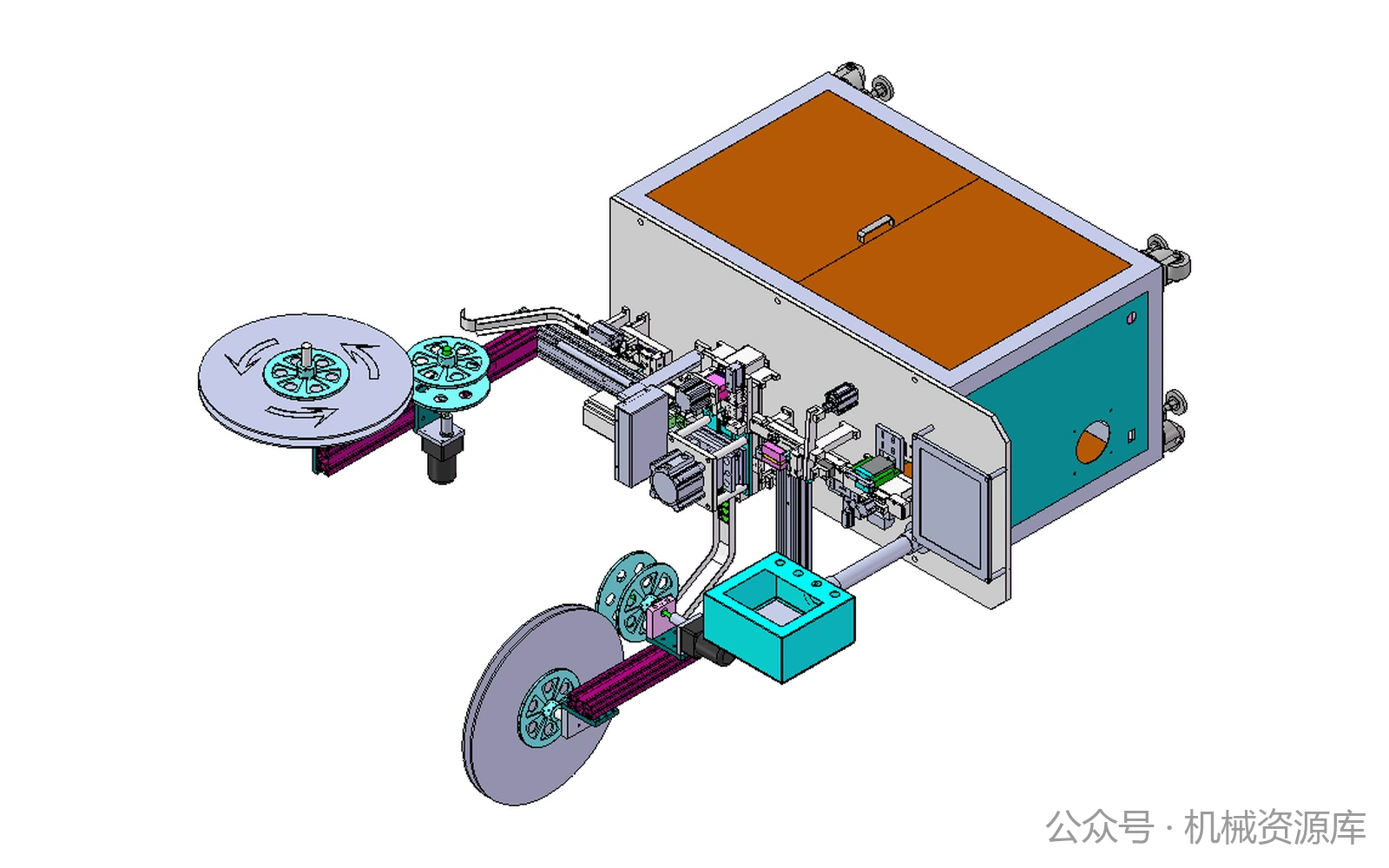

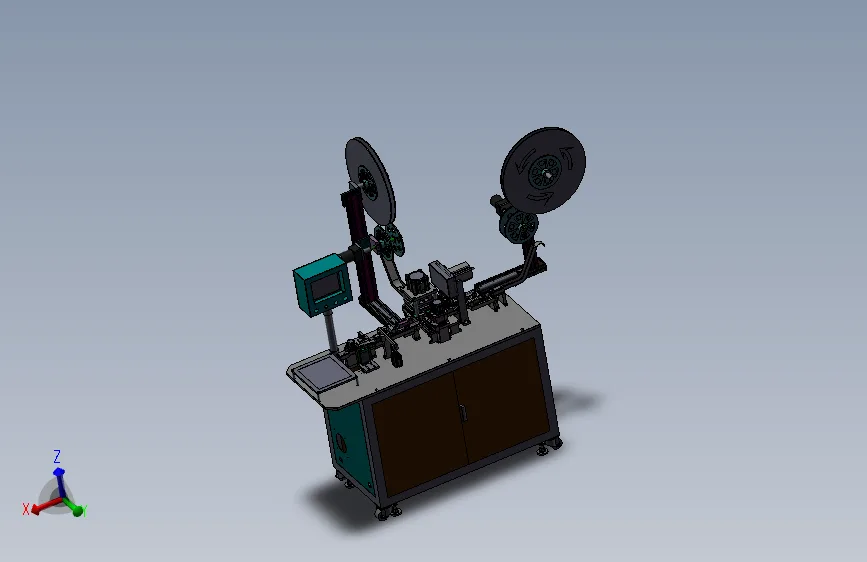
What it does
Assembles the body, spring, slider, latch and shell of SD card sockets that use a spring-slider locking structure.
How it works
Parts of sockets with a spring-slider locking structure enter the carrier through oriented feeding; spring and slider are fitted together first, then assembled with body, latch and shell. Mechanical locking and electrical contact are checked separately.
Process sequence
- Separate body and small parts by orientation
- Pre-assemble spring and slider per product structure
- Fit the sliding assembly and latch into the body
- Close the shell and confirm position
- Check mechanical action and contact as configured, then collect
Key inputs
- Part BOM and PUSH-PUSH version
- Feed orientation and carrier datum
- Lock/release and insertion acceptance methods
- Terminal and shell assembly requirements
Common misconceptions
- Assembling a card socket is not packaging SD memory cards or verifying read/write capacity.
- A powered check cannot replace checks of mechanical locking and sticking.
Limits of application
- PUSH-PUSH, PUSH-PULL and different card types cannot share one locking mechanism directly.
- Whether terminals are pre-fitted or inserted inline, and the scope of testing, are confirmed by product version.
Common problems
- Spring flies out or is missing: check separation, restraint and press-in position.
- Slider sticks: check burrs, debris and shell distortion.
- Abnormal locking: check latch orientation, depth and mating part version.
Functional modules
Multi-part oriented feeding
Sorts body, spring, slider, latch and shell separately, preventing mix-ups and stacking.
Socket carrier and transfer
Keeps the assembly datum so small-part stations connect at constrained positions.
Spring and slider subassembly
Pre-assembles spring and slider per the product structure, controlling spring attitude and escape.
Latch and locking part fitting
Places the locking part at its design position, avoiding jams and missing parts.
Shell closing, inspection and diverting
Closes the shell onto the body and checks position, mechanical action or electrical contact as configured.
Manufacturer & technical sources
Continue with manufacturer product pages, operating principles and technical information for this equipment type.