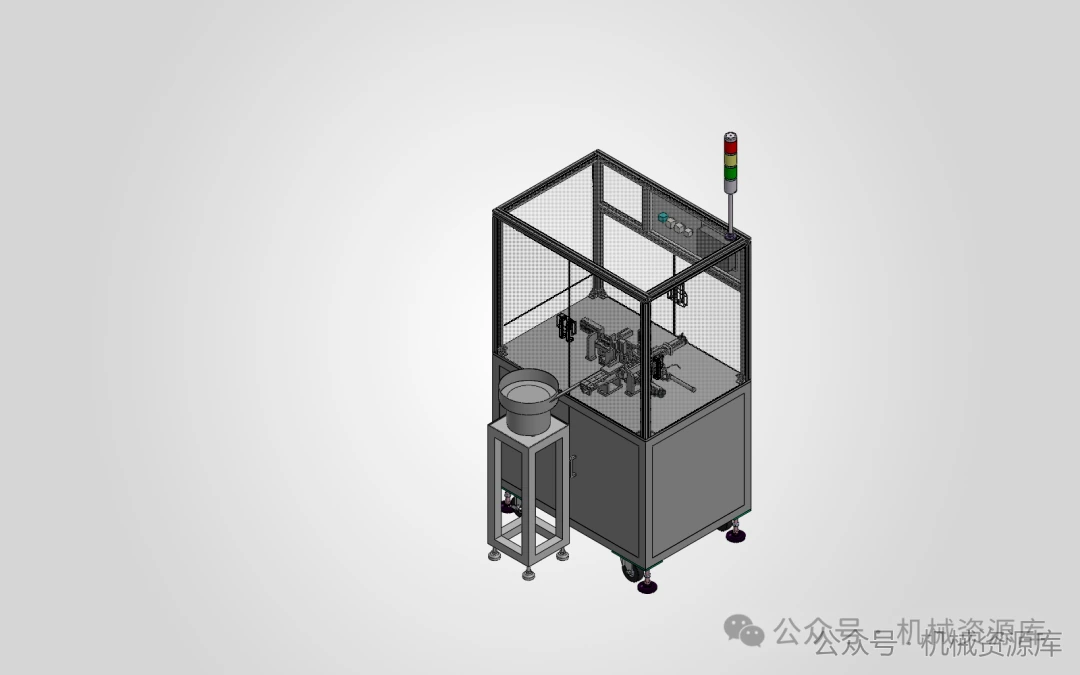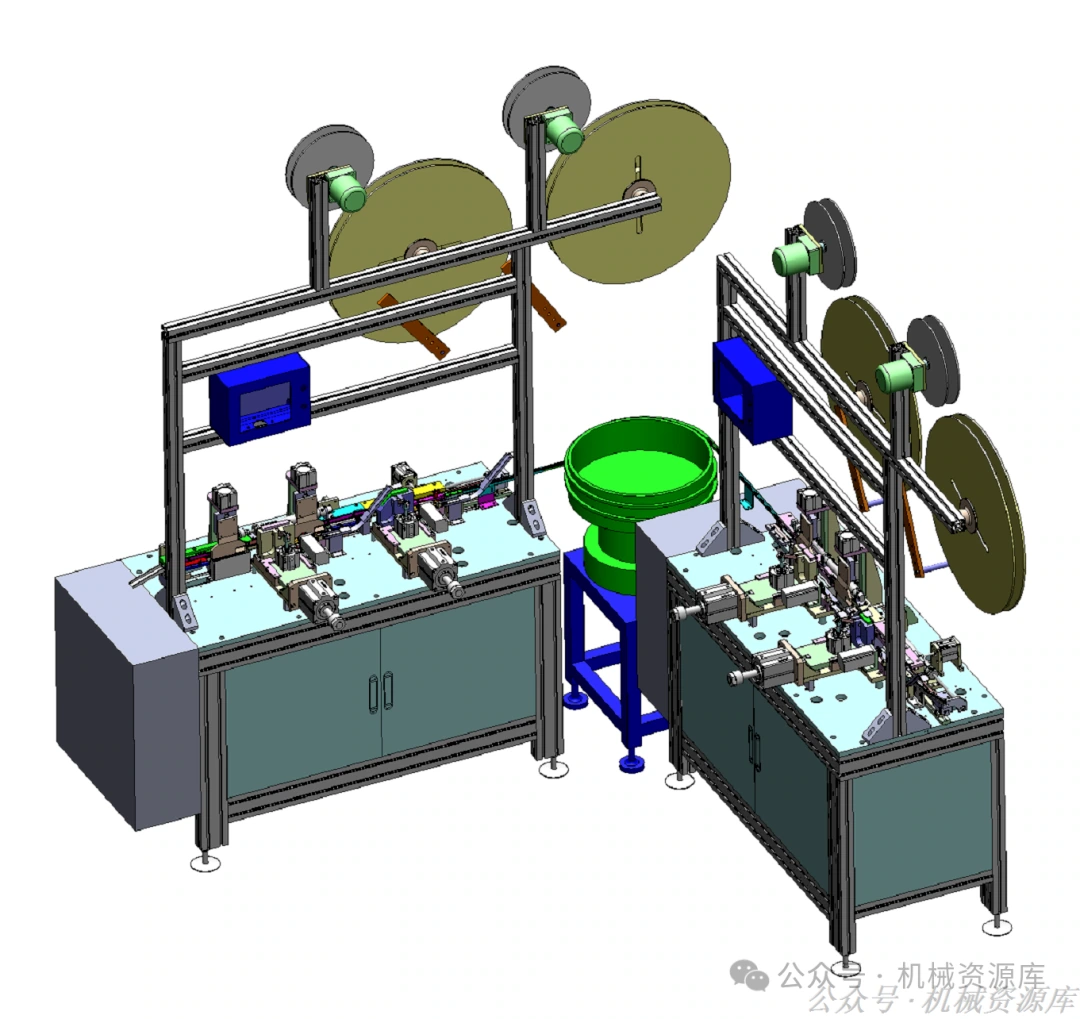

What it does
Feeds oriented dowel pins, spring pins or similar fasteners and presses them into their holes for joining or locating.
How it works
A vibratory feeder lines up the pins and delivers them to a transfer slide, which moves one pin under the insertion axis. The guide bush comes close to the part to shorten the unsupported length, the driver pushes the pin along the guide into the hole, and the transfer unit then moves clear for loading and unloading.
Process sequence
- Locate the part
- Orient and separate pins
- Transfer to the insertion axis
- Bring the guide bush close
- Press to the specified depth
- Retract and inspect
Key inputs
- Pin type, length, ends and hole fit
- Insertion direction and surrounding access
- Insertion force, depth and part support
Common problems
- Long and short pins mixed
- Long unsupported length bending pins
- Hole position error, burrs or abnormal depth
Limits of application
- Different pin types differ in interference and spring mechanism
- Pressing several pins at once needs separate confirmation of load and guidance
Functional modules
Oriented feeding
Arranges and separates pins
Transfer slide
Moves pins to the insertion axis
Guide bush and driver
Support and push the pin
Locating fixture
Aligns holes with the insertion direction
Manufacturer & technical sources
Continue with manufacturer product pages, operating principles and technical information for this equipment type.