
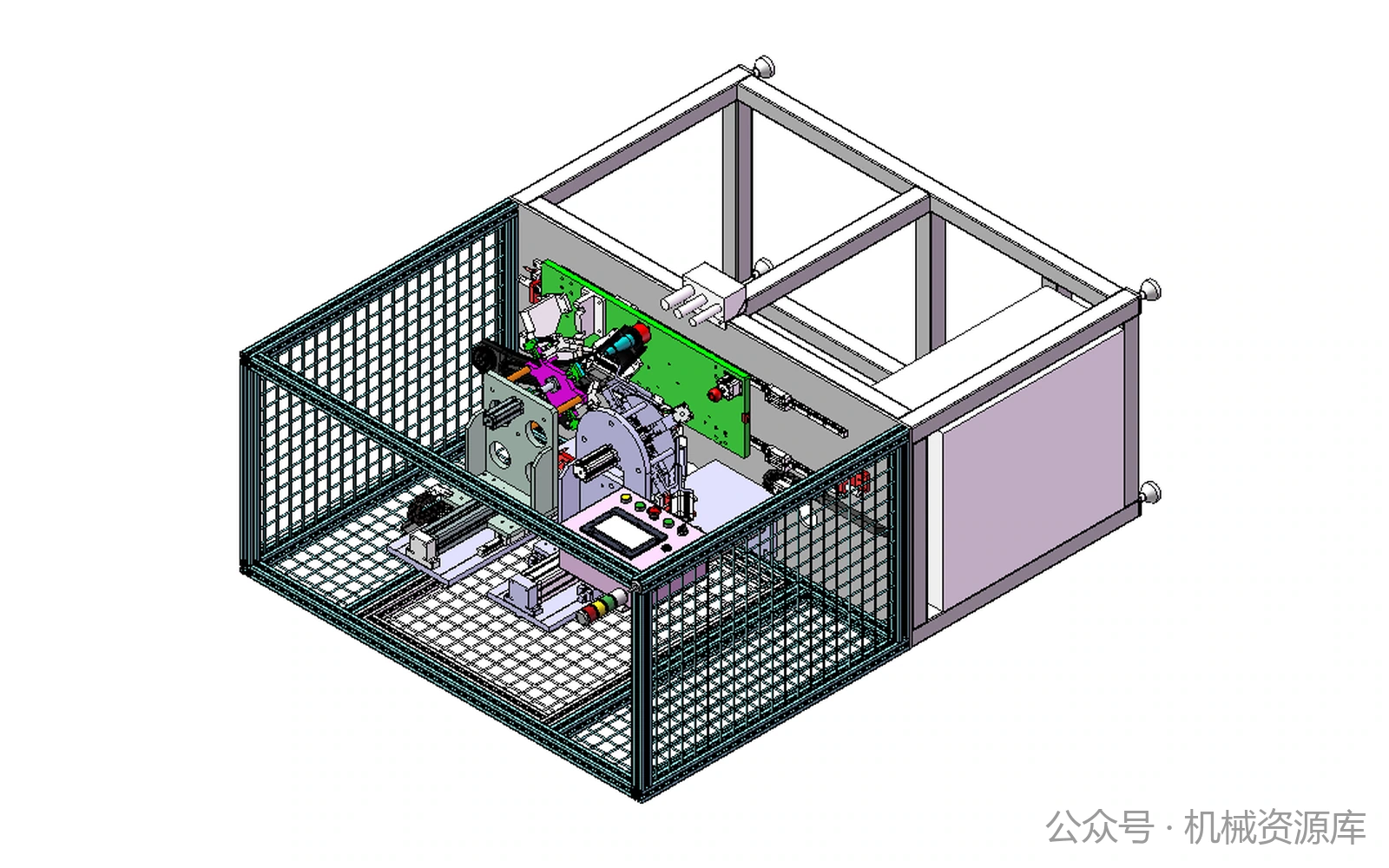

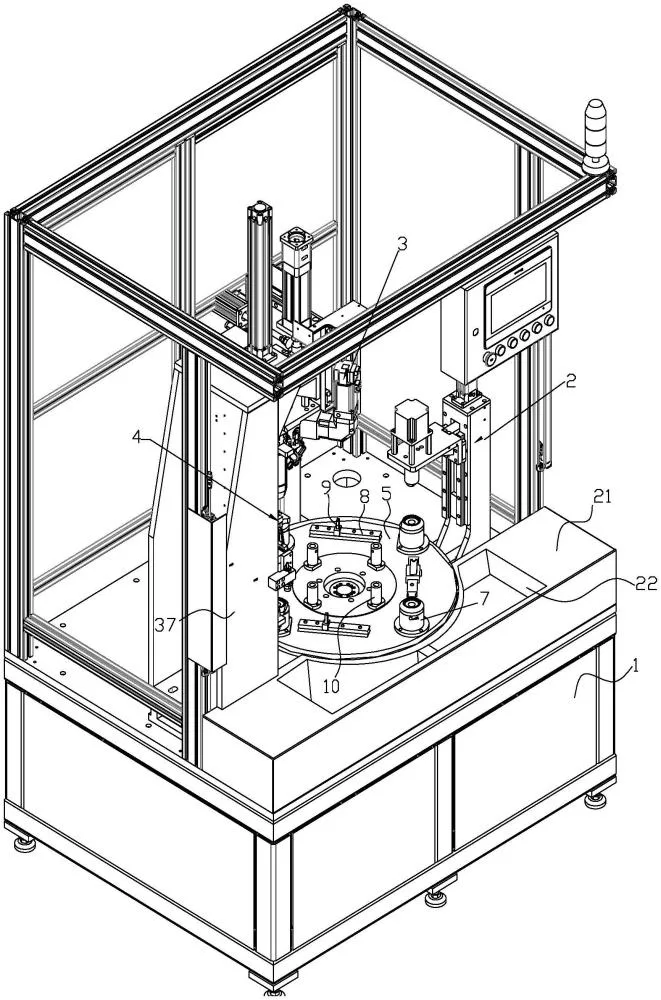
What it does
Fits the rubber dust boot of a ball joint onto its seat and installs the matching circlip or retaining ring.
How it works
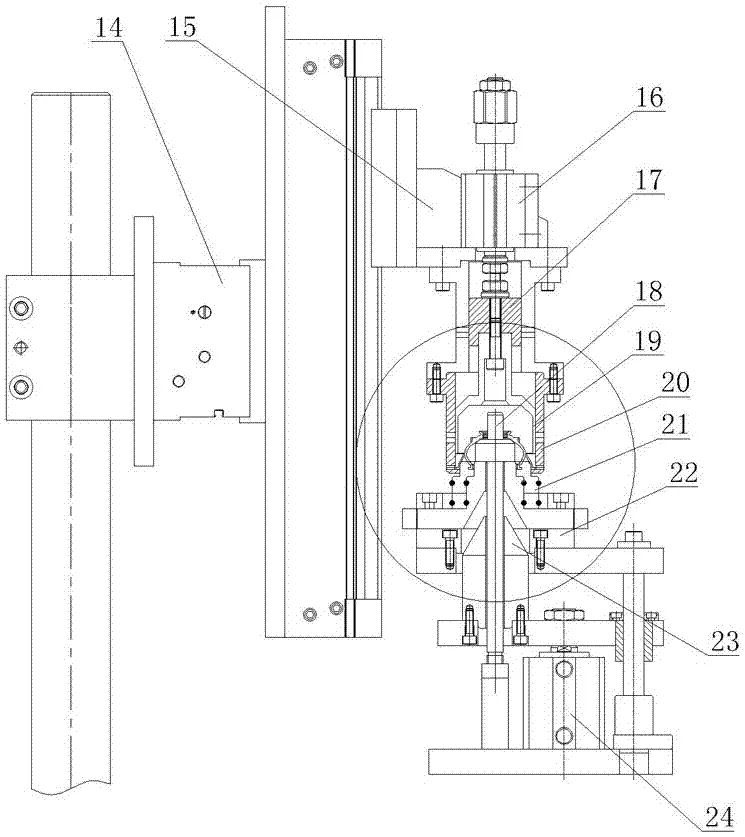
The fixture restrains the ball joint, the lead-in tool brings the boot lip to the seal seat, and the ring then holds it in place. Expanding and slipping on an open spring ring and pressing and shrinking a closed ring are different processes, chosen by product.
Process sequence
- Locate the ball joint and check the seal seat
- Orient the boot and lead it in
- Seat the boot lip at the design position
- Fit the ring by ring type and confirm retention
- Check position, damage and configured function items
Key inputs
- Ball joint and seal seat datums
- Rubber material, boot mouth and orientation
- Open or closed ring type
- Allowable assembly force, damage and inspection method
Common misconceptions
- The ring is not necessarily an expandable open circlip.
- Checks at a stand-alone boot station depend on its inspection configuration; other tests on a ball joint assembly line are done at their own stations.
Limits of application
- Different boot lips and rings need matching tools.
- Being seated does not mean sealing performance and life have been verified.
Common problems
- Boot lip rolled over: check orientation, lead-in tool and stroke.
- Ring not seated: recheck ring type, seat and single-part separation.
- Rubber cut: check tool edges, off-centre load and ring end contact.
Functional modules
Ball joint locating and support
Fixes the datum and takes the reaction of boot fitting and ring pressing so the ball stud does not tilt.
Boot feeding and lead-in tool
Identifies boot mouth orientation and helps the flexible lip into the seal seat.
Ring sorting and holding
Delivers single rings in orientation to the assembly position, controlling stacking and springing.
Ring expanding or pressing mechanism
Uses expanding or pressing tools to suit an open or closed ring.
Seating check and diverting
Checks boot lip, ring and rubber damage; leak testing counts only where actually configured.
Manufacturer & technical sources
Continue with manufacturer product pages, operating principles and technical information for this equipment type.