
EQUIPMENT / PRINCIPLE / DESIGN

Automatic wire-end dip tinning machine

Locates wire ends and controls immersion to coat exposed conductors with solder.

Equipment principle & structureRequest design help ↗
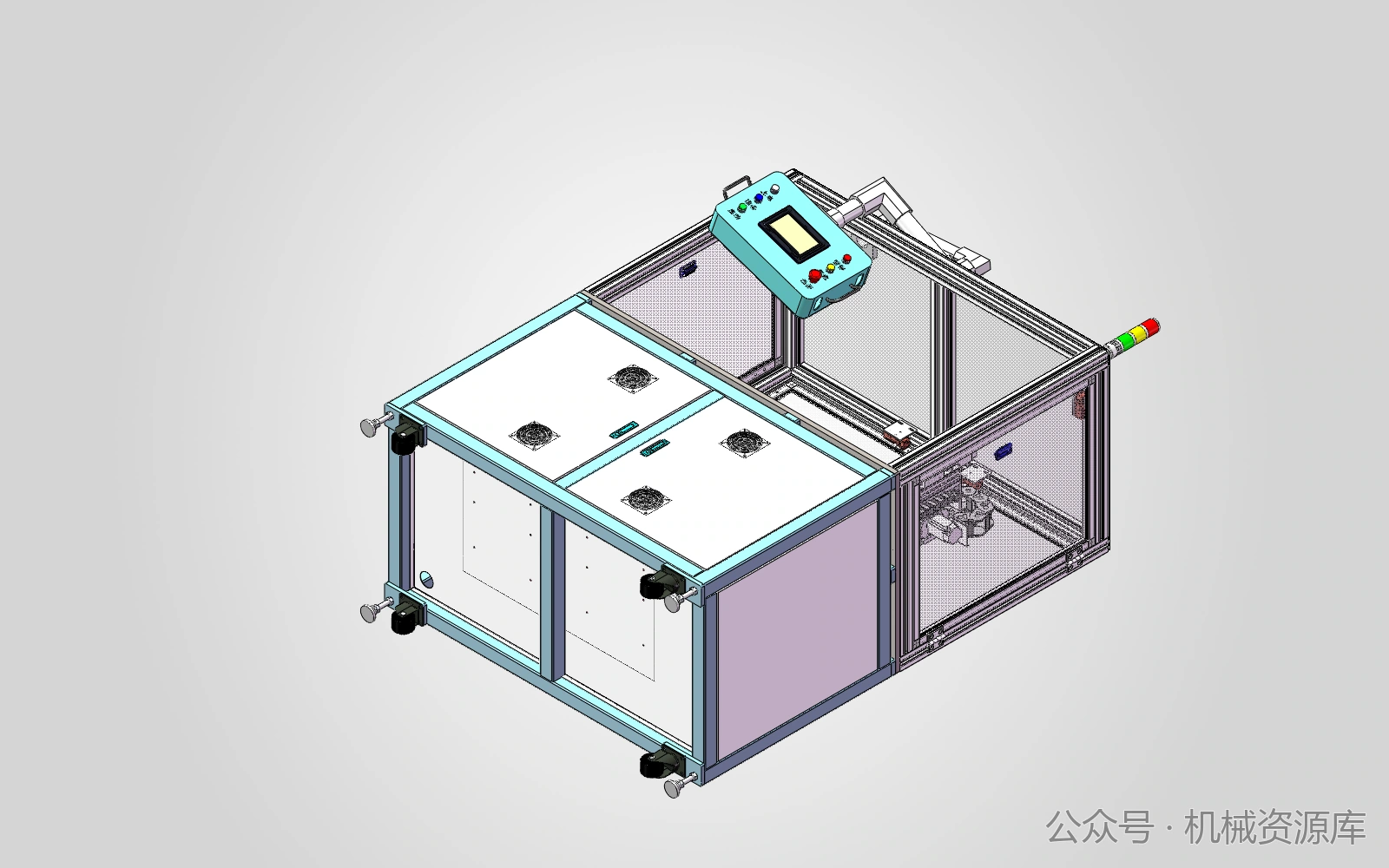
Automatic wire-end dip tinning machine · CAD model
Automatic wire-end dip tinning machine · CAD model · Mechanical resource library channel

Purpose

Locates wire ends and controls immersion to coat exposed conductors with solder.

Process

Locate the exposed conductor. Apply flux and dip according to the selected process, then withdraw, cool and inspect. Prevent flexible leads from swinging and touching near the bath surface. [S1]

Selection checks

Match conductor dimensions, exposed length and production requirements. Check wetting, solder bridges, heat effects and locating repeatability.

Functional modules

Lead positioning and clamping

Keep lead extension and spacing consistent.

flux stage

Apply the selected flux process to the ends before dipping.

temperature-controlled solder pot

Maintain the solder bath state and allow access for removing residues.

dip actuator and stops

Guide approach orientation, depth and dwell at the solder surface.

inspection and removal

Check coating extent and bridging before handing off the leads.

Manufacturer & technical sources

Continue with manufacturer product pages, operating principles and technical information for this equipment type.

ONLY ON MECHWIKI / AGGREGATED

Aggregated references: models, makers, patents & videos

References scattered across model articles, vendor sites and patent databases, gathered under this machine. Checked items are listed; the rest are offered as ready-to-open searches.

Patents: how others built it

Patents are useful for drawings and mechanism ideas. None has been vetted for this entry yet, so here are searches pre-filled with the machine name.

Videos: see it run

No licensed video is hosted for this machine yet; these searches are pre-filled with its name.

3D MODELS

3D models and download information

Explore structure and assembly with models. Download methods, file formats and terms are provided by the original article or mini program.

Find more in the model library →