
What changed
A water wheel turns water flow into rotary power, which drives grinding or other working machines through a transmission.
Core mechanism
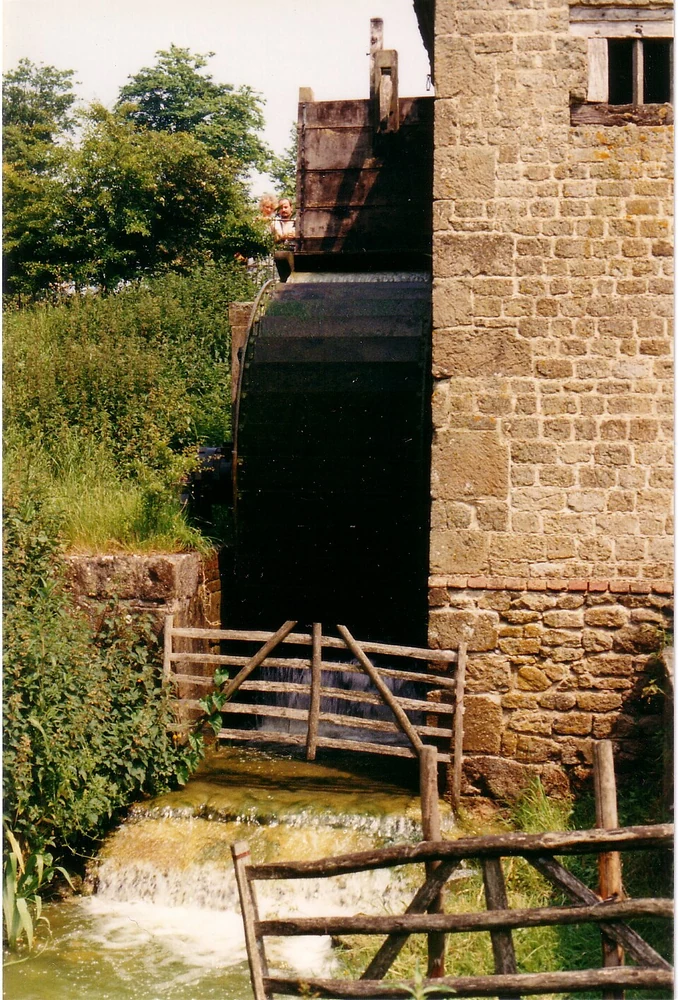
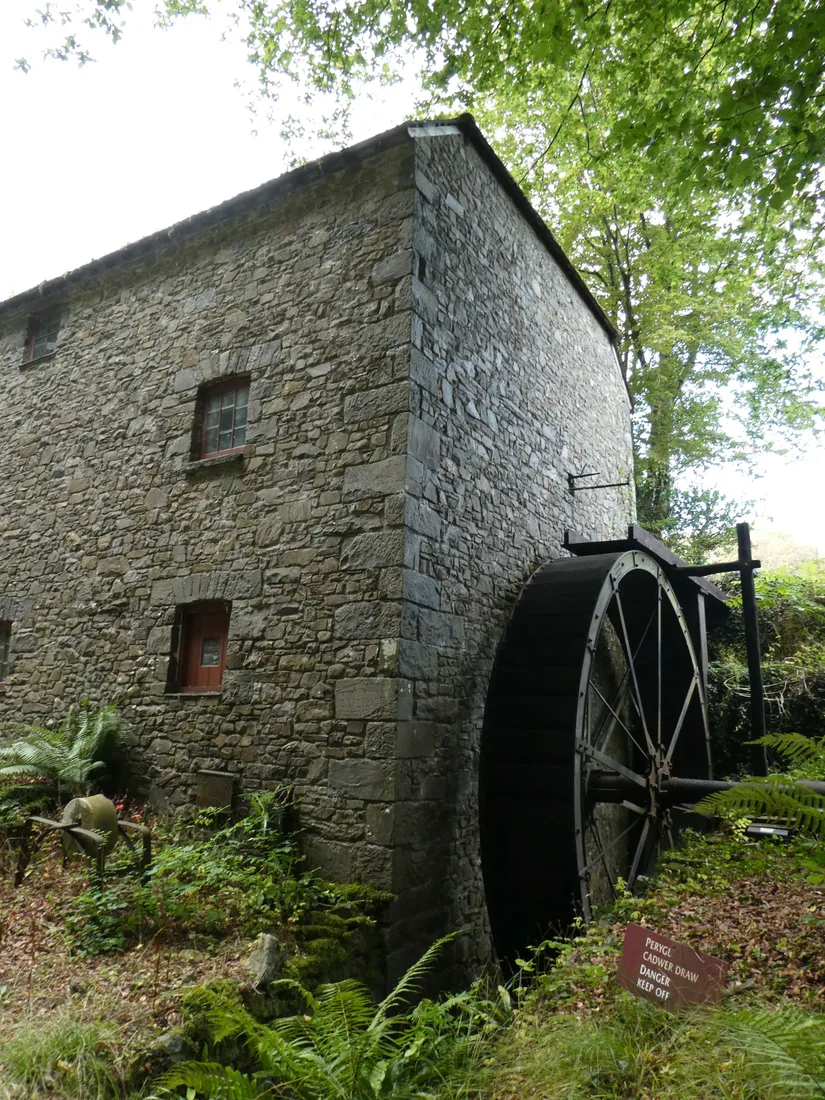
Water turns the wheel and the axle passes motion to the working machines. At Shepherd Wheel, water from the dam drives the wheel, which turns grindstones and glazing wheels to grind and finish blade edges.
What to look for
- Trace energy through water supply, axle and grinding wheels
- Separate prime mover from working machine
- See how water supply shapes the organization of work
Legacy
Water power gave more working capacity than direct human effort, though siting and operation still depended on water supply; one power source could serve several working machines
Reading limits
- The museum example here is blade grinding and is not a full description of grain milling
- Wheel type and transmission cannot be inferred from the name water wheel alone
Key elements
Water supply and wheel
Turn the action of water into rotation
Shaft and transmission
Carry power to the work area
Grindstones or working machines
Do the actual processing
Museum & technical references
Explore this technology through museum and technical references.