
EQUIPMENT / PRINCIPLE / DESIGN

Ultrasonic deflashing machine

Removes thin burrs and parting-line flash from suitable parts using intense local cavitation in liquid.

Equipment principle & structureRequest design help ↗
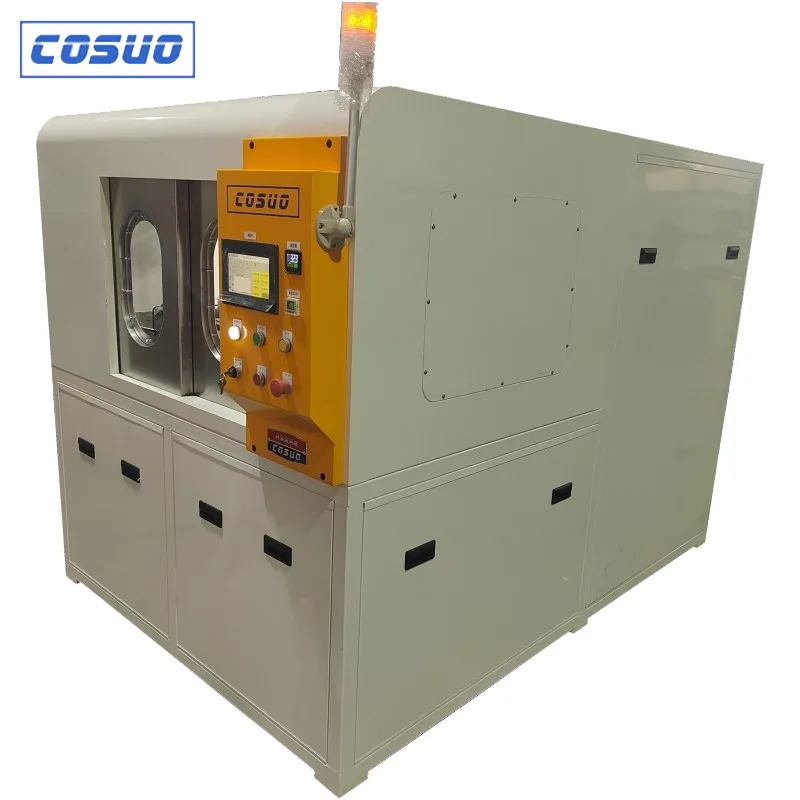
Ultrasonic deburring machine: tank with viewing window, control column in the middle
Ultrasonic deburring machine: tank with viewing window, control column in the middle · Source: COSUO website ↗ · © the manufacturer, quoted for reference · Resized proportionally and converted to WebP
Ultrasonic deflashing machine · original schematic, not to scale; shows the working principle and modules
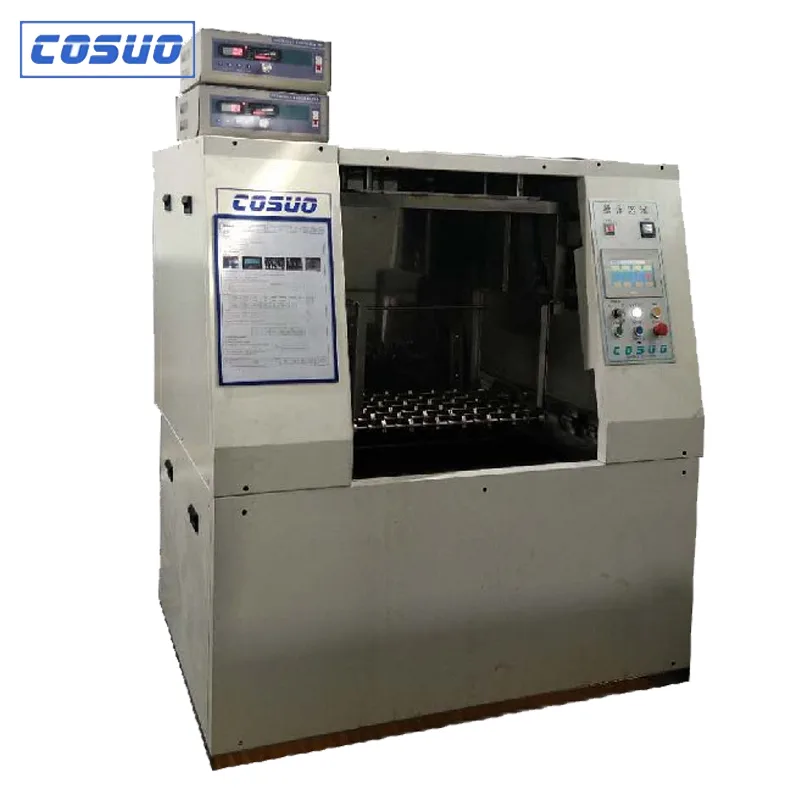
Front door open: a basket of parts sits in the tank
Front door open: a basket of parts sits in the tank · Source: COSUO website ↗ · © the manufacturer, quoted for reference · Resized proportionally and converted to WebP
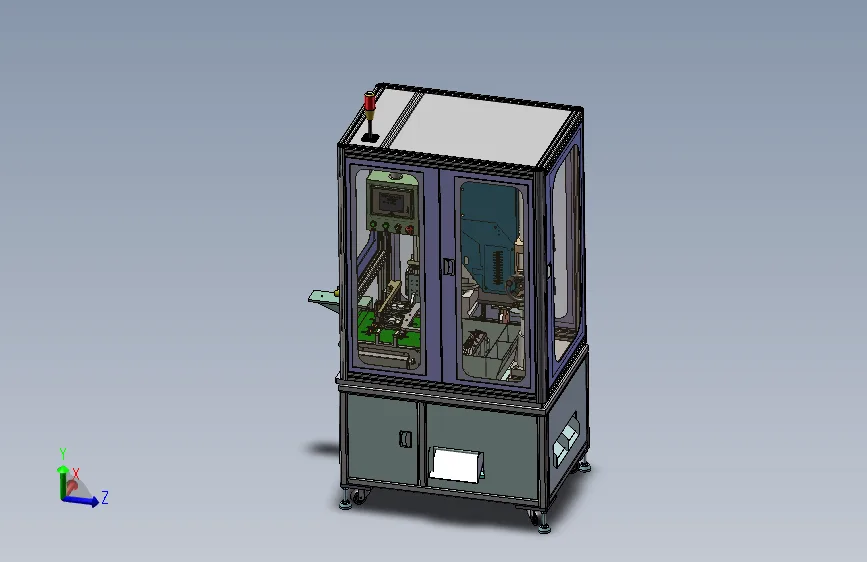
Ultrasonic deflashing machine, 3D model: clear doors over conveyor and tank
Ultrasonic deflashing machine, 3D model: clear doors over conveyor and tank · LazyStones 3D model · Public model library reference image · Resized proportionally and converted to WebP
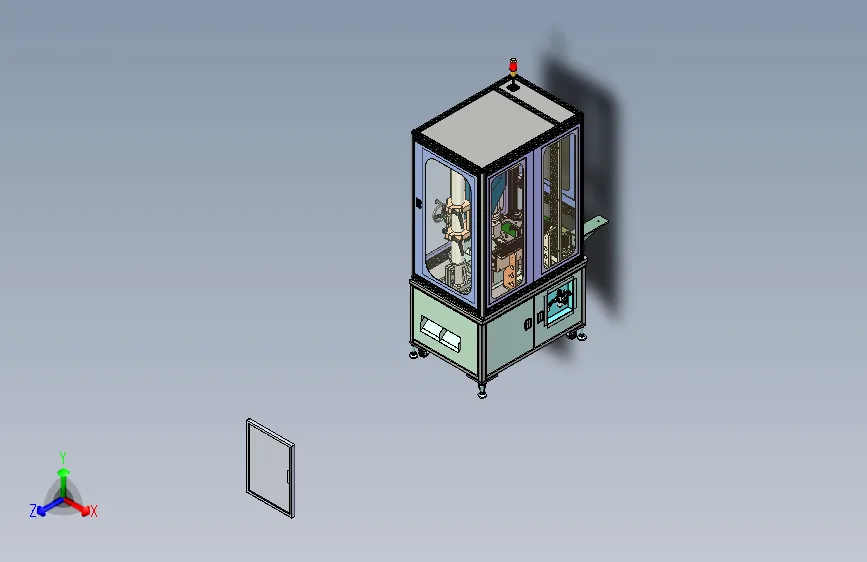
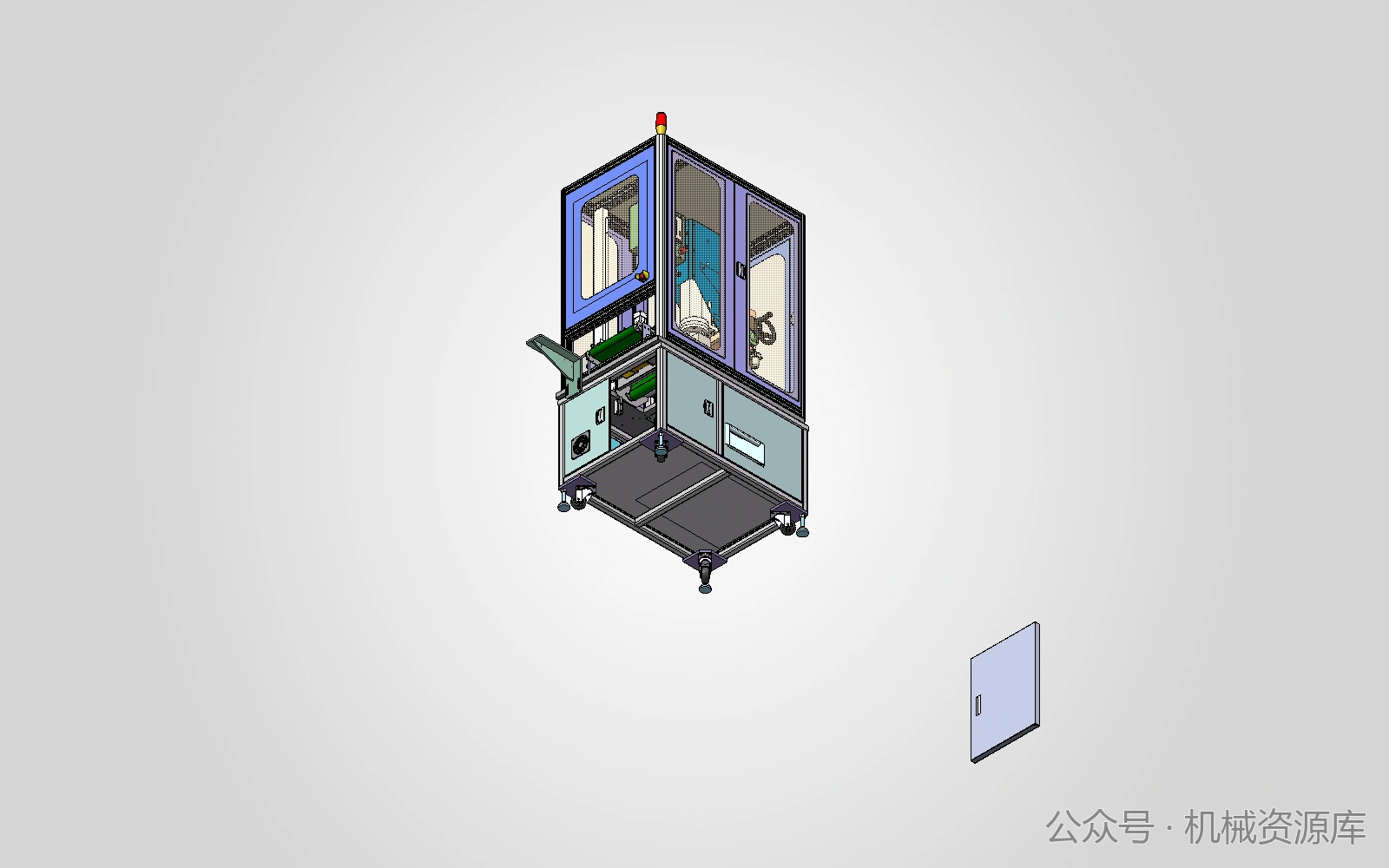
W5138 ultrasonic deflashing machine, 3D model: clear doors, orange tank, stack light
W5138 ultrasonic deflashing machine, 3D model: clear doors, orange tank, stack light · LazyStones 3D model · Public model library reference image · Resized proportionally and converted to WebP

What it does

Removes thin burrs and parting-line flash from suitable parts using intense local cavitation in liquid.

How it works

Taking immersion ultrasonic deburring as an example, a dedicated sonotrode vibrates close to the target area in the tank, and local cavitation collapse and liquid flow break off weak burrs; sonotrode shape, position, distance and treatment time are adjusted to the part, and no cutting tool enters the base material.

Process sequence

  1. Confirm burr form
  2. Fixture and immerse
  3. Bring the sonotrode close to the target
  4. Apply ultrasound under control
  5. Rinse and separate debris
  6. Check for residue and base material

Key inputs

  1. Burr thickness, root and material
  2. Sonotrode access and liquid wetting
  3. Working distance, amplitude and treatment time

Common problems

  1. Thick flash remaining
  2. Local overtreatment damaging thin walls
  3. Detached debris staying in channels

Limits of application

  1. This is the immersion cavitation method, distinct from ultrasonic knife trimming and cryogenic blasting
  2. Removability must be tested first for each resin, metal and burr form

Functional modules

Ultrasonic generator

Controls amplitude and power

Dedicated sonotrode

Concentrates the effect on the target

Tank and fixture

Support parts and expose the flash

Motion and filtration

Cover targets and carry away debris

Manufacturer & technical sources

Continue with manufacturer product pages, operating principles and technical information for this equipment type.
ONLY ON MECHWIKI / AGGREGATED

Aggregated references: models, makers, patents & videos

References scattered across model articles, vendor sites and patent databases, gathered under this machine. Checked items are listed; the rest are offered as ready-to-open searches.

Patents: how others built it

Patents are useful for drawings and mechanism ideas. None has been vetted for this entry yet, so here are searches pre-filled with the machine name.

Videos: see it run

No licensed video is hosted for this machine yet; these searches are pre-filled with its name.

3D MODELS

3D models and download information

Explore structure and assembly with models. Download methods, file formats and terms are provided by the original article or mini program.

Find more in the model library →