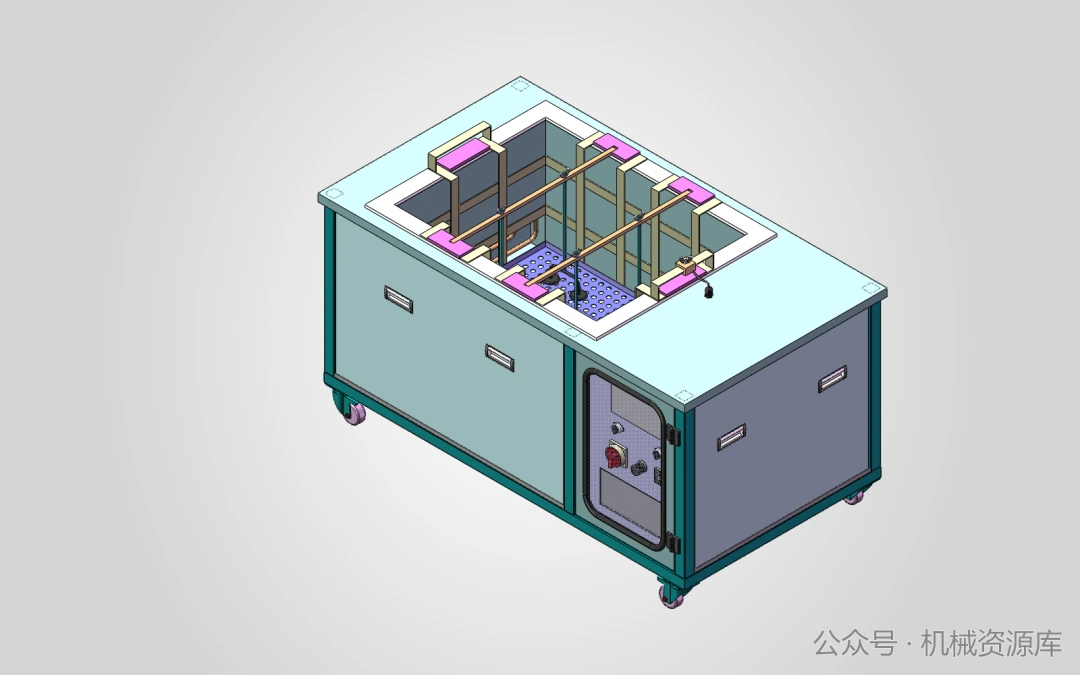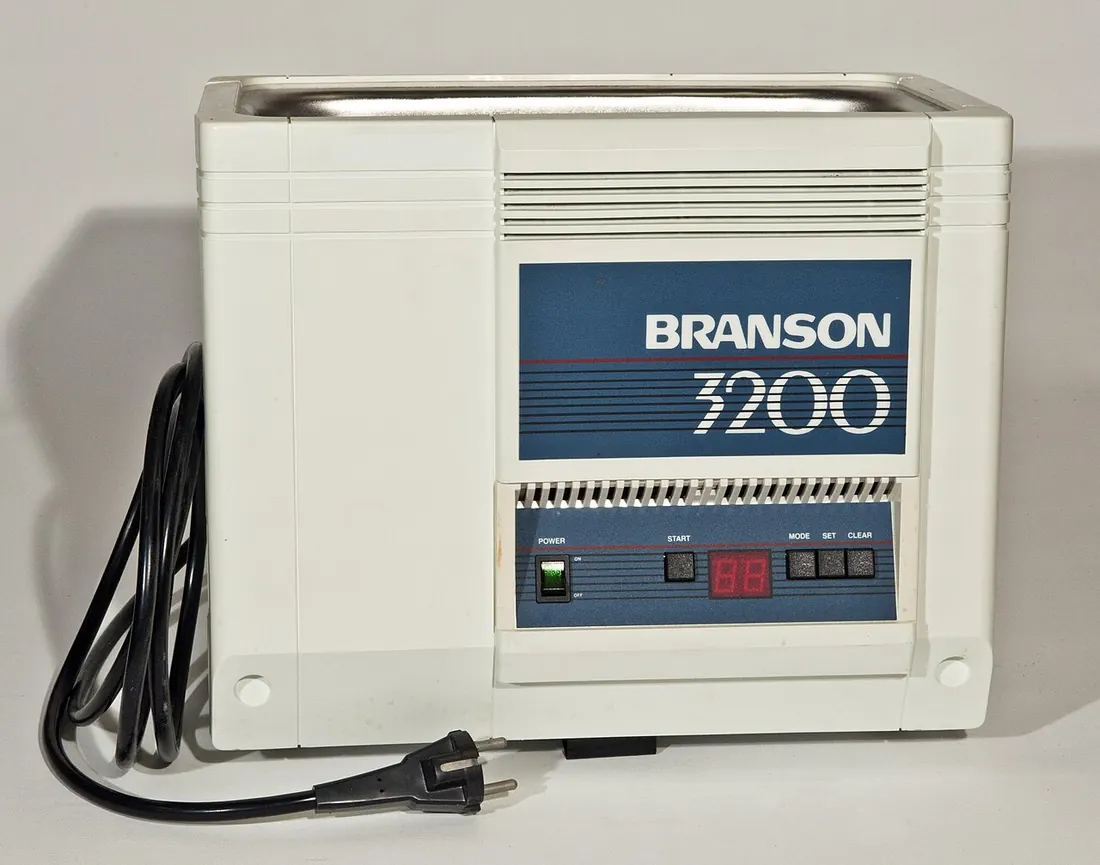

What it does
Uses ultrasonic cavitation in a cleaning liquid to help remove contamination from surfaces, pores and fine features, often combined with rinsing and drying.
How it works
Transducers turn electrical energy into high-frequency pressure waves in the liquid, and the alternating pressure makes tiny bubbles form, grow and collapse, producing local cleaning action. Medium chemistry, temperature, time and frequency together decide cleaning results and effects on the material.
Process sequence
- Confirm material and cleaning liquid
- Load and wet the parts
- Apply ultrasound per the process
- Remove and rinse
- Dry and check cleanliness
Key inputs
- Contamination and substrate compatibility
- Venting of cavities, placement and load size
- Frequency, temperature, time and subsequent rinsing
Common problems
- Air trapped in cavities or parts shadowing each other
- Contaminated bath or uneven sound field
- Cavitation erosion of sensitive surfaces or rinse residue
Limits of application
- Ultrasonic cleaning is not automatically sterilization
- Material, bonded and sealed structures must be confirmed as able to withstand it
Functional modules
Ultrasonic generator and transducers
Set up the field in the bath
Tank and cleaning medium
Hold parts and act on contamination
Baskets and fixtures
Support parts and keep liquid paths open
Rinse and dry interface
Removes residue after cleaning
Manufacturer & technical sources
Continue with manufacturer product pages, operating principles and technical information for this equipment type.