
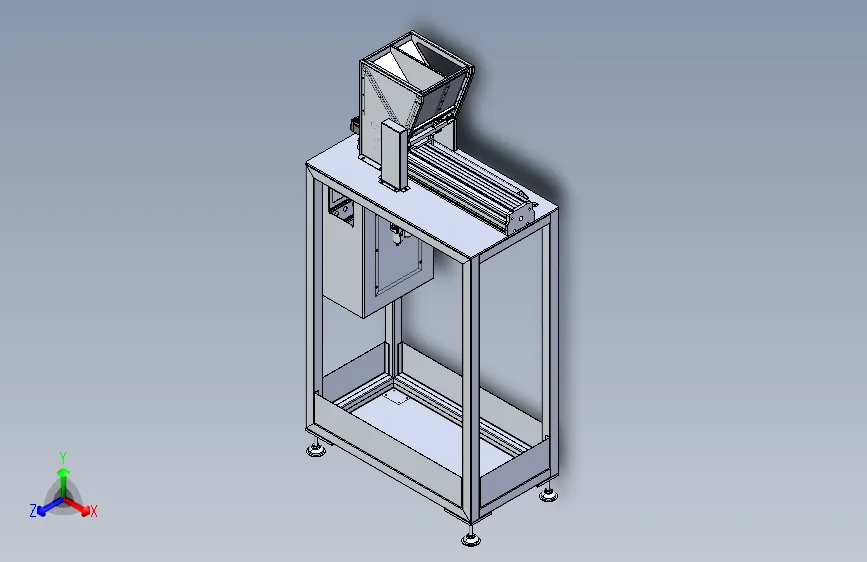
What it does
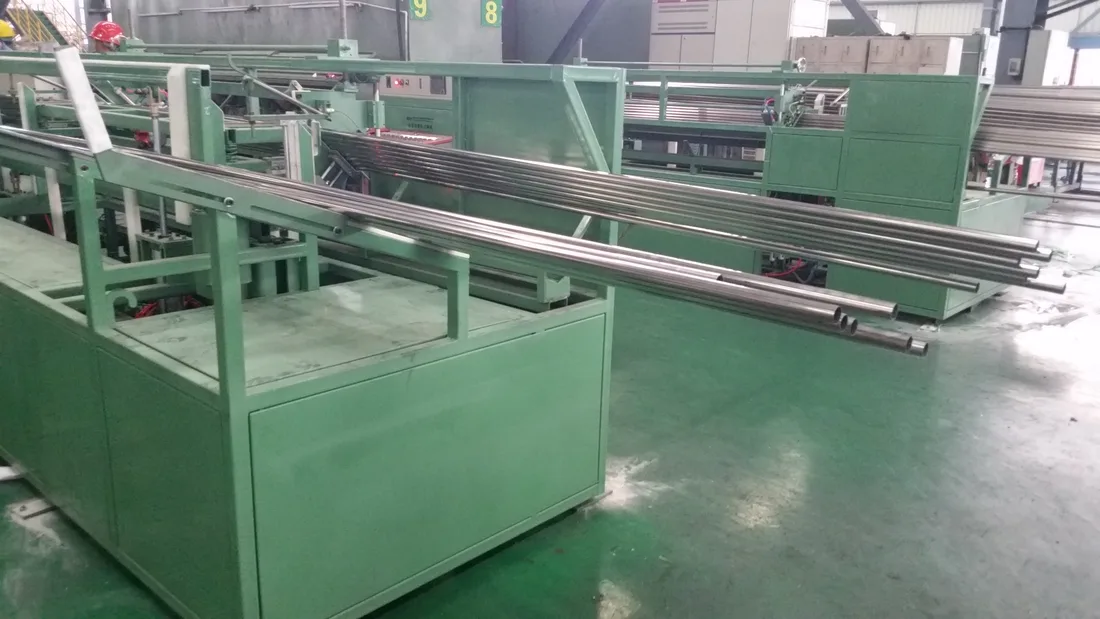
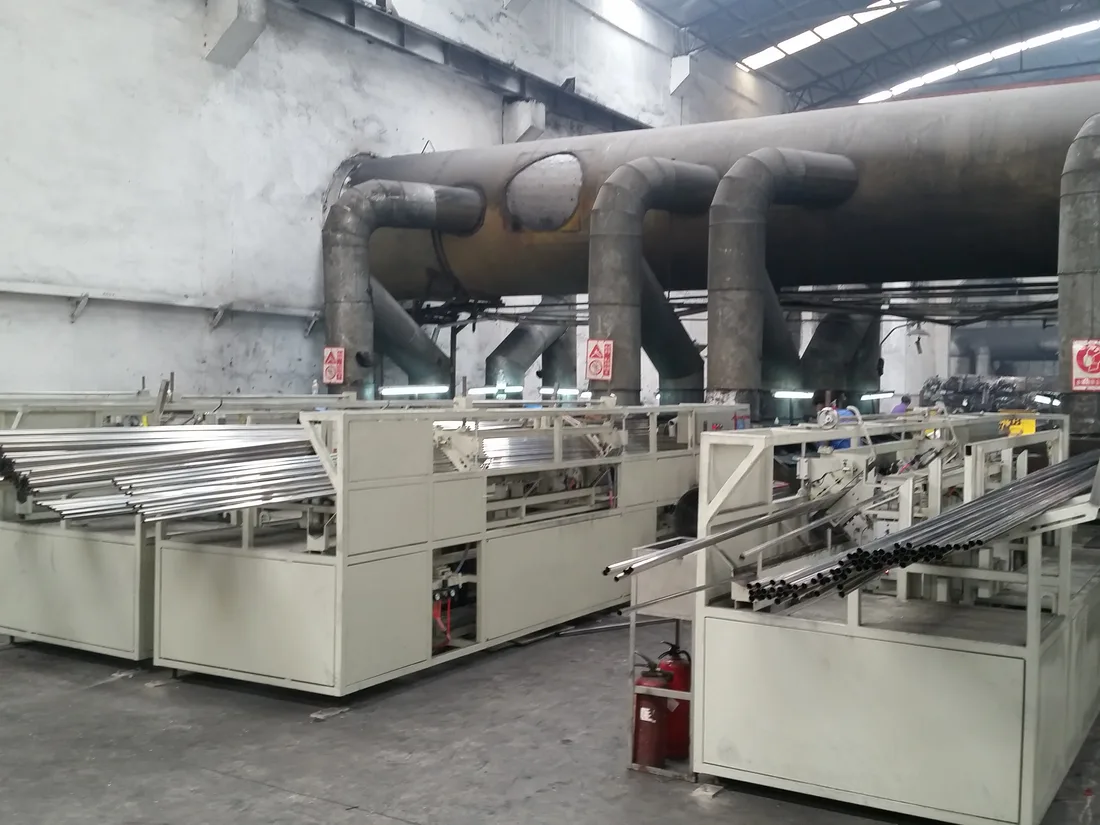
Separates bundled or loose round tubes one at a time and arranges them at the feed datum of downstream machining.
How it works
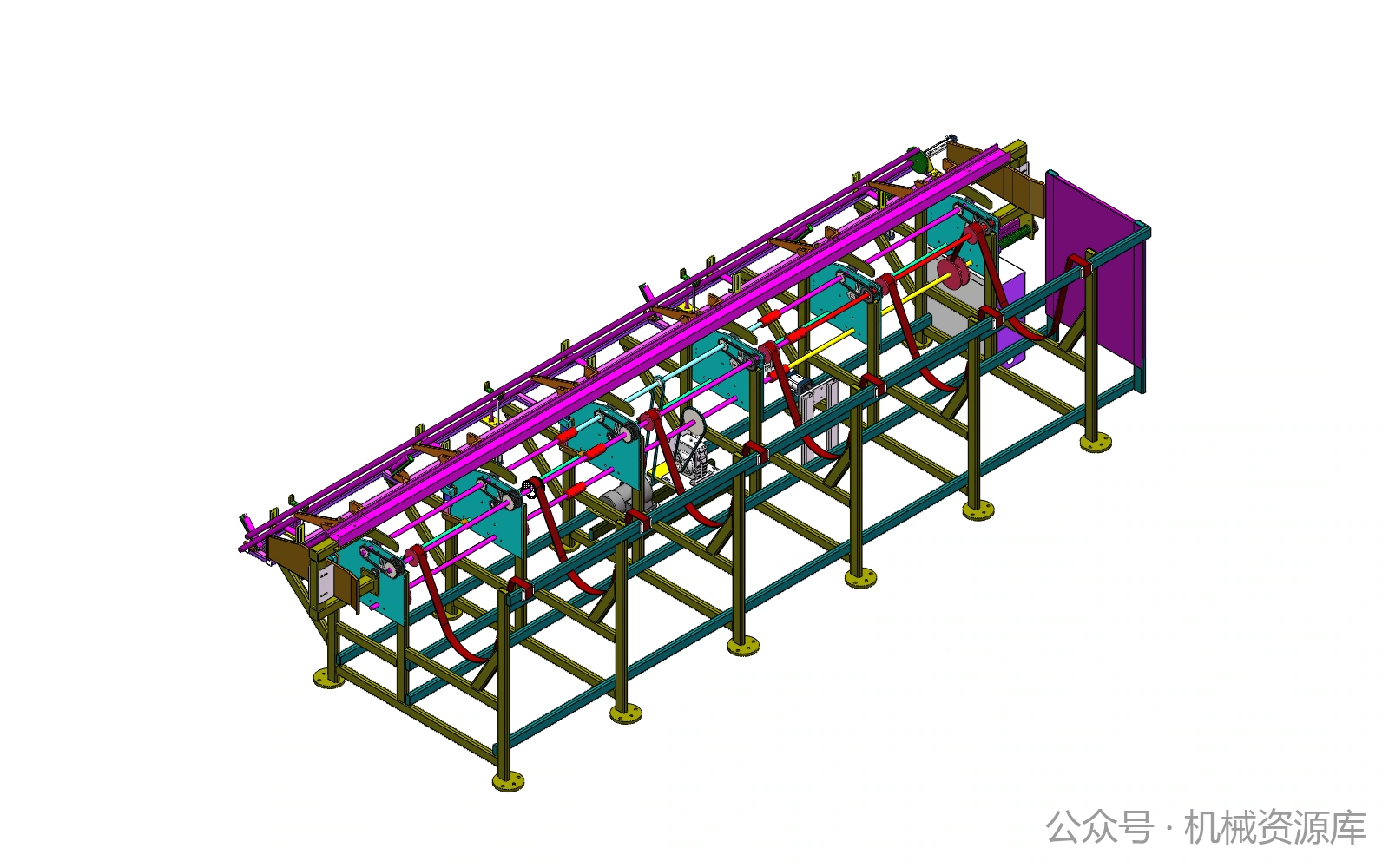
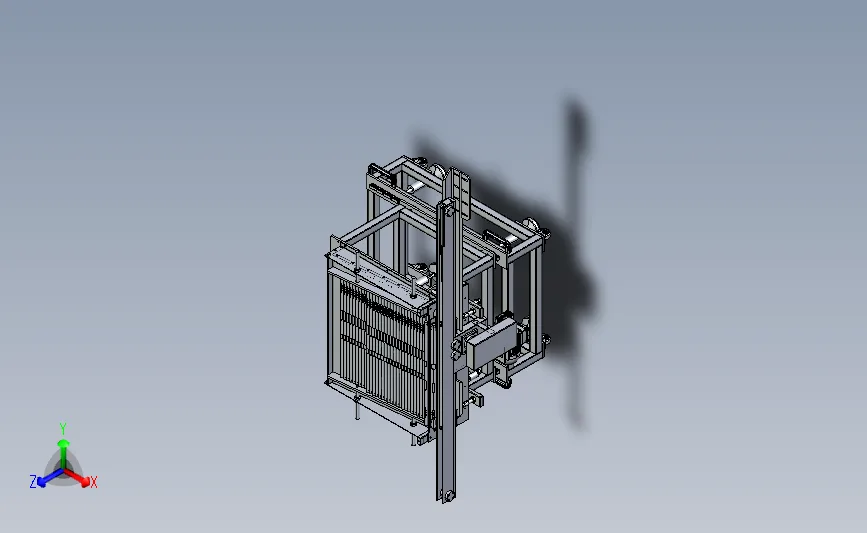
Taking chain lifting with lifter plates as an example, several chains run in sync along the tube length, and lifter plates raise one tube from the low storage area to the upper receiving area; stops and guide faces limit rolling and multiple pick-up before the tube passes to the axial feeder.
Process sequence
- Check tube specification
- Pre-arrange in the storage area
- Lift a single tube
- Raise at several points in sync
- Receive against the stop
- Hand to downstream feeding
Key inputs
- Tube diameter, length, wall thickness and straightness
- Support spacing and surface requirements
- Single-tube detection, chain sync and axial datum
Common problems
- Two tubes lifted at once
- Long tubes tilting and jamming
- Rolling off, scratches or thin-wall tubes crushed
Limits of application
- Step loading of round bar and lifting thin-wall tubes differ in support, inertia and damage risk
- Profiled tubes cannot use a round tube track based only on their circumscribed diameter
Functional modules
Low storage area
Holds and pre-arranges tubes
Synchronized lifting chains
Support at several points along the length
Single-tube lifter
Limits how many are carried each time
Receiving and feeding
Hands single tubes to machining
Manufacturer & technical sources
Continue with manufacturer product pages, operating principles and technical information for this equipment type.