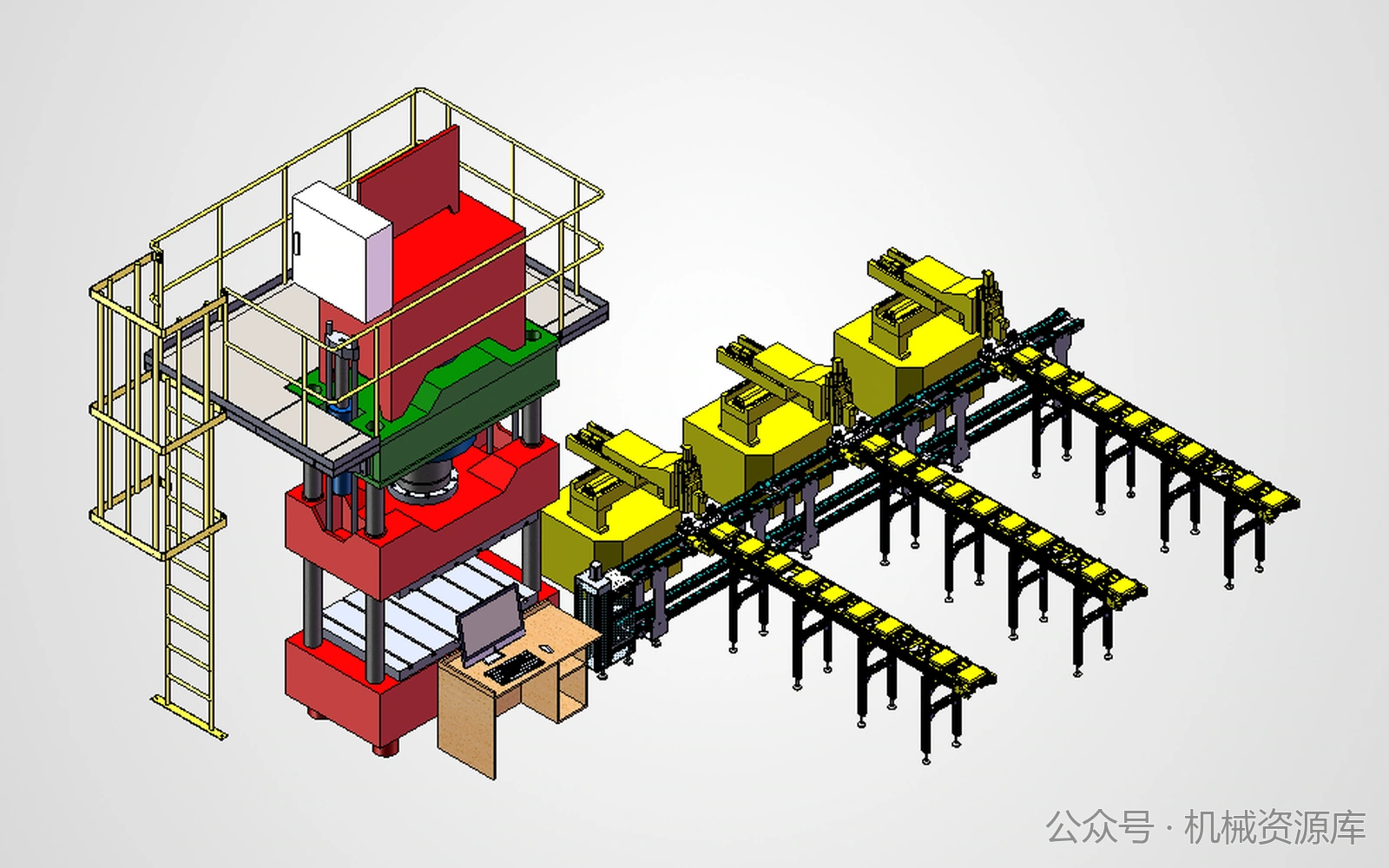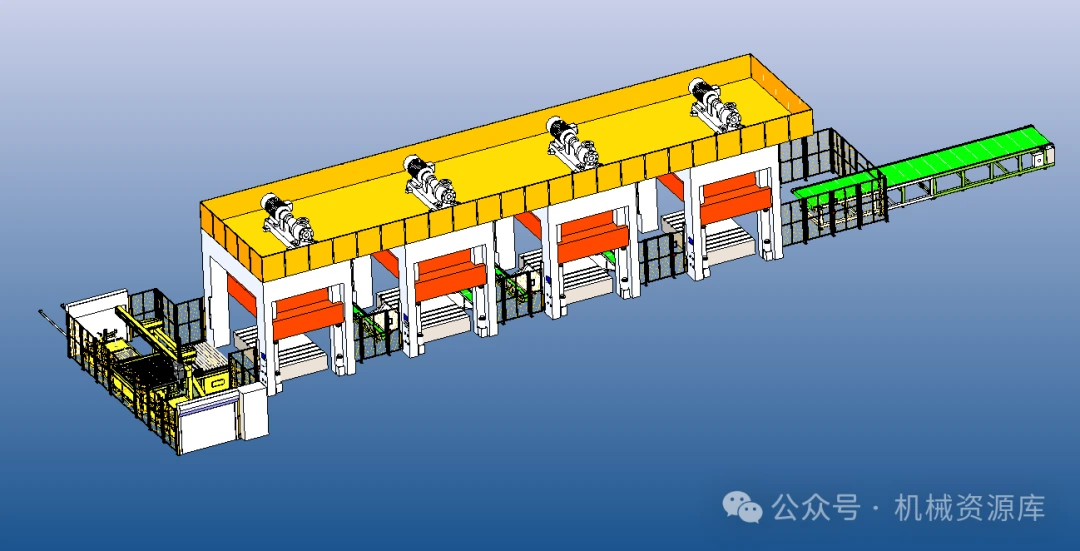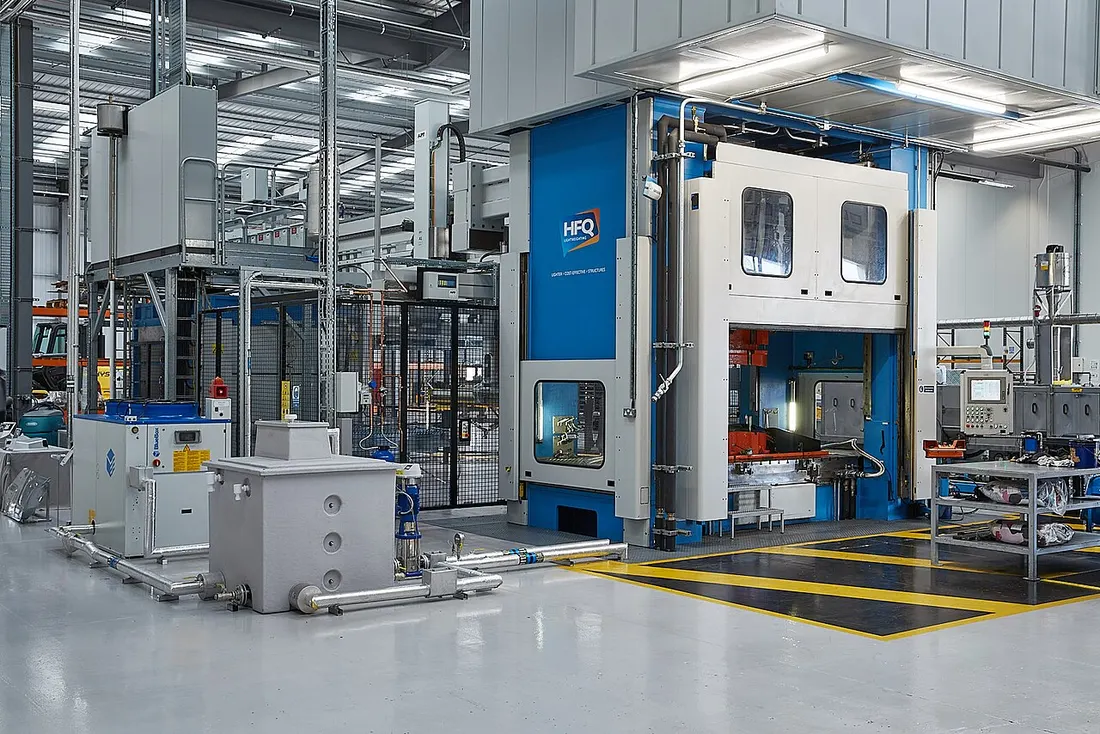

What it does
Moves separate blanks between several die stations with a mechanical transfer system to complete forming.
How it works
After the press opens, fingers or a transfer device grip each part, move it to the next station, place it and leave the die motion area; the press then closes and works. Unlike progressive dies that carry parts on a strip, separate blanks can be relocated, and transfer paths must be coordinated with forming height at each station.
Process sequence
- Feed or blank the first part
- Open and confirm the transfer window
- Grip and move to the next station
- Place and withdraw
- Close and form at each station
- Remove at the last station and inspect
Key inputs
- Part shape at each stage
- Station spacing and grip faces
- Press stroke window
- Transfer load, vibration and position sensing
Common problems
- Fingers interfering with dies
- Part distortion affecting gripping
- Transfer vibration causing placement error
- Missing parts at stations or wrong recovery order
Limits of application
- Transfer can be multi-station within one press or a transfer system serving a press line
- Three-axis transfers and robot lines move differently
- Separate blanks cannot necessarily be turned to any attitude
Functional modules
First station feed or blanking
Provides separate blanks
Multi-station dies and press
Perform each operation
Fingers, rails and drive
Move and locate parts
Synchronization and sensing
Check parts and clearances
Manufacturer & technical sources
Continue with manufacturer product pages, operating principles and technical information for this equipment type.