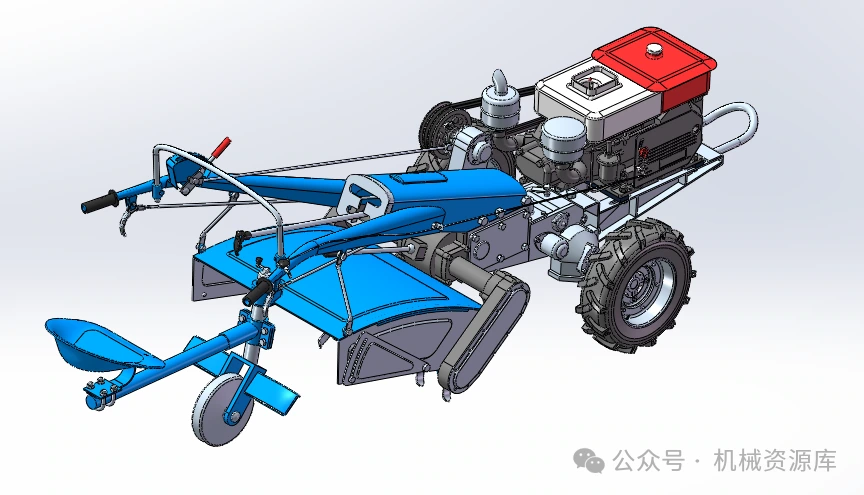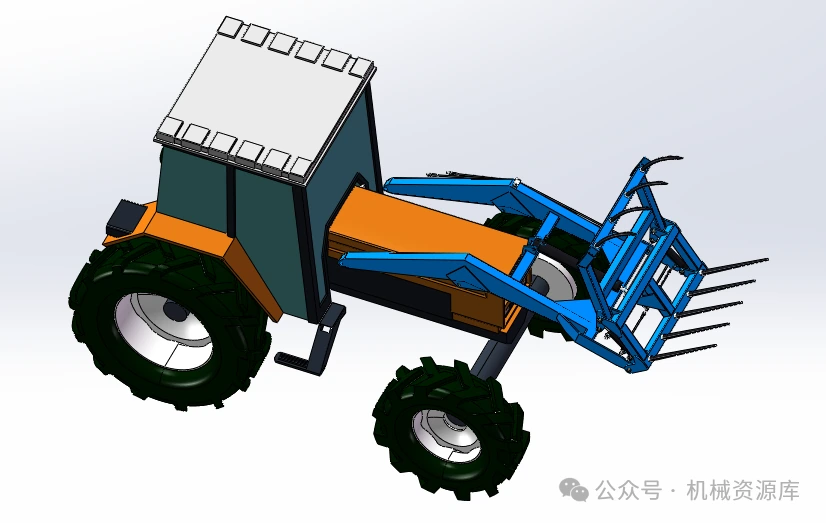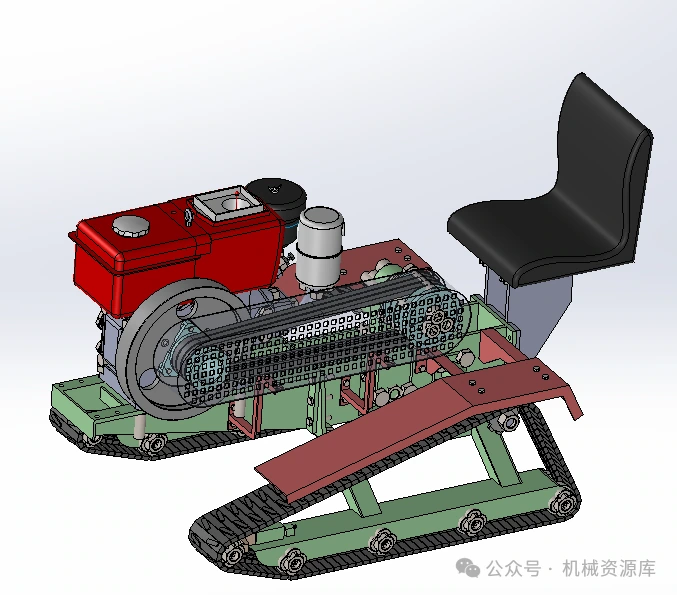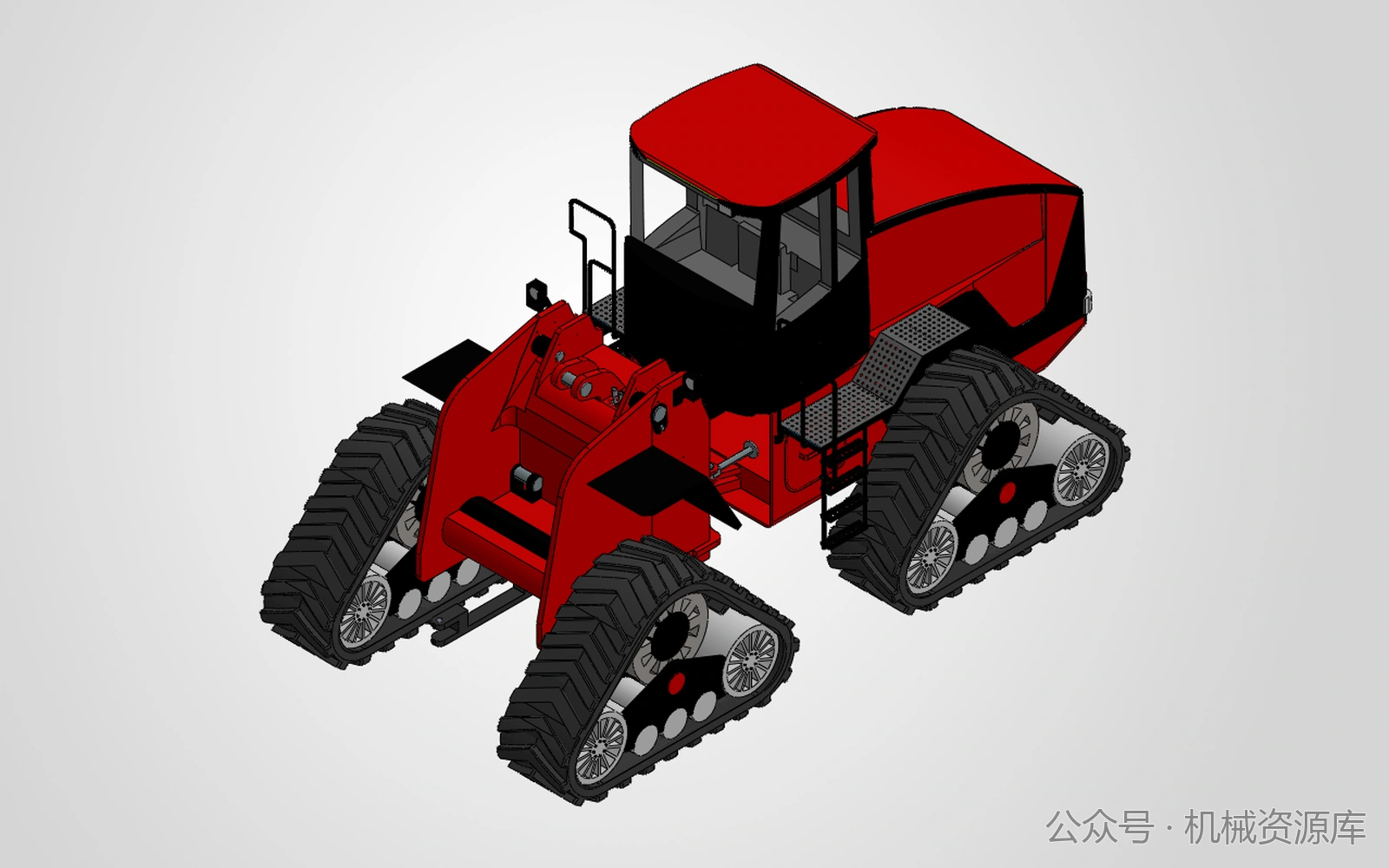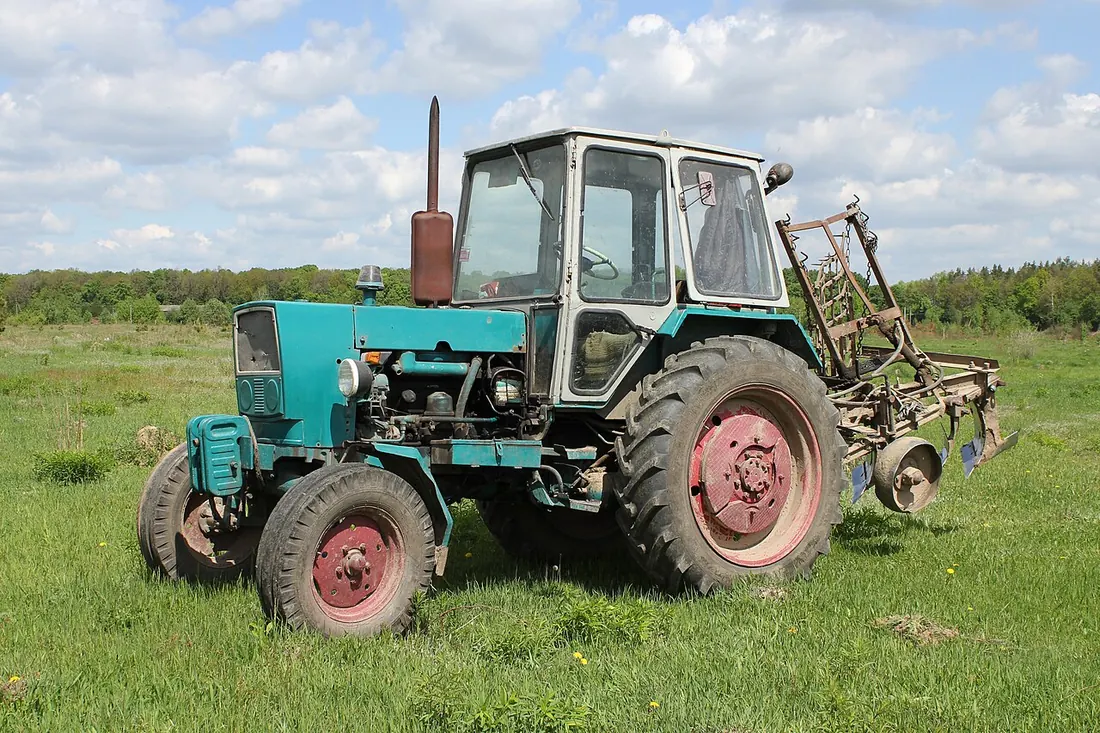

What it does
Provides traction, rotary power or hydraulic power for farm implements and controls lifting and working position of suitable implements.
How it works
Taking a wheeled tractor with a three-point hitch as an example, the engine drives the wheels through the drivetrain, the PTO shaft sends rotary power to implements, the three-point hitch connects and lifts implements, and hydraulic couplers can drive external cylinders and other actuators. Traction, lifting and PTO capacities must each be matched.
Process sequence
- Check implement and connection type
- Connect and check power interfaces
- Set working attitude
- Pull or supply power at suitable speed
- Lift for turns or stop
- Park safely
Key inputs
- Implement category, mass and centre of gravity
- Traction, hitch, PTO and hydraulic needs
- Ground, track width, ballast and transport conditions
Common problems
- Wheel slip or uneven front and rear loading
- PTO speed or shaft length mismatch
- Hydraulic lift and implement attitude faults
Limits of application
- PTO power, engine power and drawbar pull are different quantities
- Wheeled, tracked and different hitch categories cannot swap implements on power figures alone
Functional modules
Travel drivetrain
Provides ground traction and speed
Power take-off
Delivers rotary power to implements
Hitch and drawbar interface
Connects and manages implement attitude
Hydraulic control
Lifts and drives suitable attachments
Manufacturer & technical sources
Continue with manufacturer product pages, operating principles and technical information for this equipment type.