
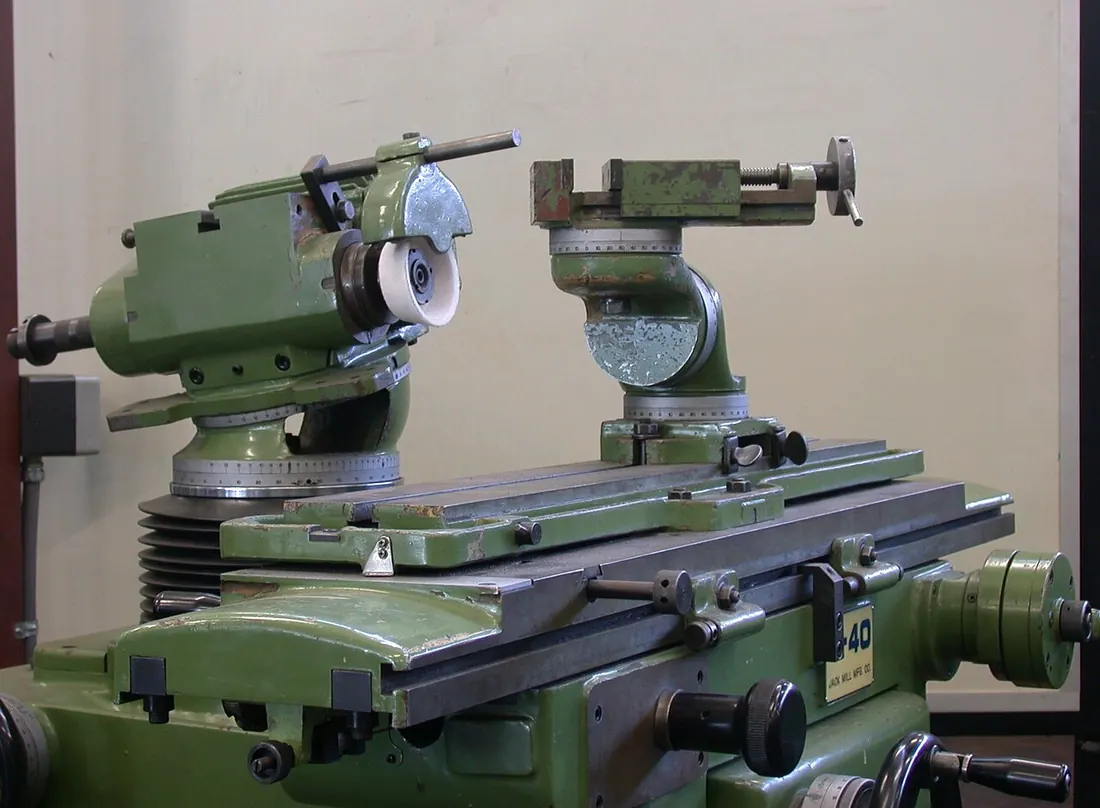

What it does
Makes or reconditions the cutting edges, flutes and functional geometry of cutting tools.
How it works
Wheels grind according to tool geometry and material, and work rotation with multi-axis feed forms each edge, flute and clearance face. New tools can be made from bar stock, while regrinding restores cutting geometry on the existing tool body.
Process sequence
- Identify a new tool or regrind job
- Set tool datums
- Choose and prepare wheels
- Grind in geometric order
- Check edges and size
- Label finished tools
Key inputs
- Tool material and coating condition
- Number of edges and geometry
- Bar stock or wear allowance
- Holding, wheels and measurement requirements
Common problems
- Inconsistent edges affecting cutting load
- Unsuitable wheels damaging tools
- Regrinding changing diameter and length, needing updated tool data
Limits of application
- Whether a tool can be reground depends on remaining material and damage
- Not every superhard tool suits ordinary grinding; some need EDM or laser
Functional modules
Tool holding and rotation
Locate and index edges to grind
Wheel system
Matches material and ground face
Multi-axis feed
Generates tool geometry
Measurement and coolant
Control size and manage heat and swarf
Manufacturer & technical sources
Continue with manufacturer product pages, operating principles and technical information for this equipment type.