
EQUIPMENT / PRINCIPLE / DESIGN

Automatic tape cutter

Cuts continuous strip into single pieces of a specified length or pitch and delivers them in order to the next step.

Equipment principle & structureRequest design help ↗
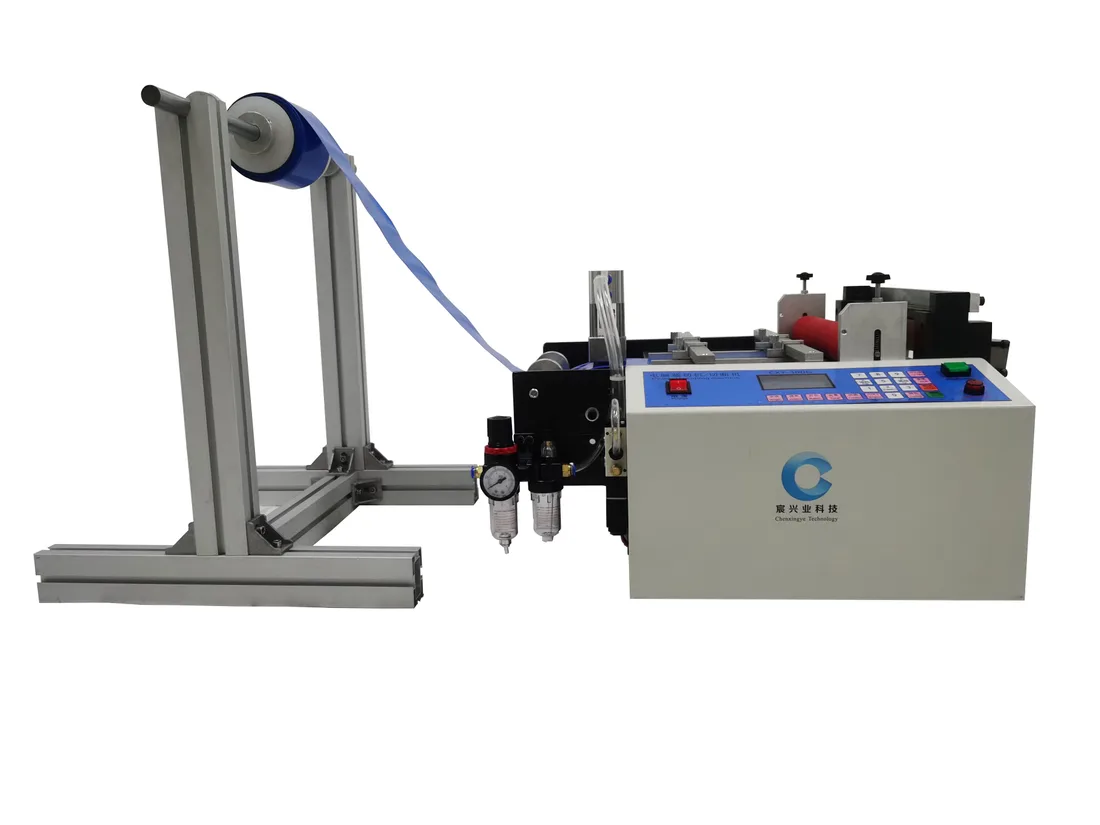
Automatic tape cutter: unwind stand left, feed and cutter centre, control box right
Automatic tape cutter: unwind stand left, feed and cutter centre, control box right · Source: Shenzhen Chenxingye website ↗ · © the manufacturer, quoted for reference · Resized proportionally and converted to WebP
Automatic tape cutter · original schematic, not to scale; shows the working principle and modules
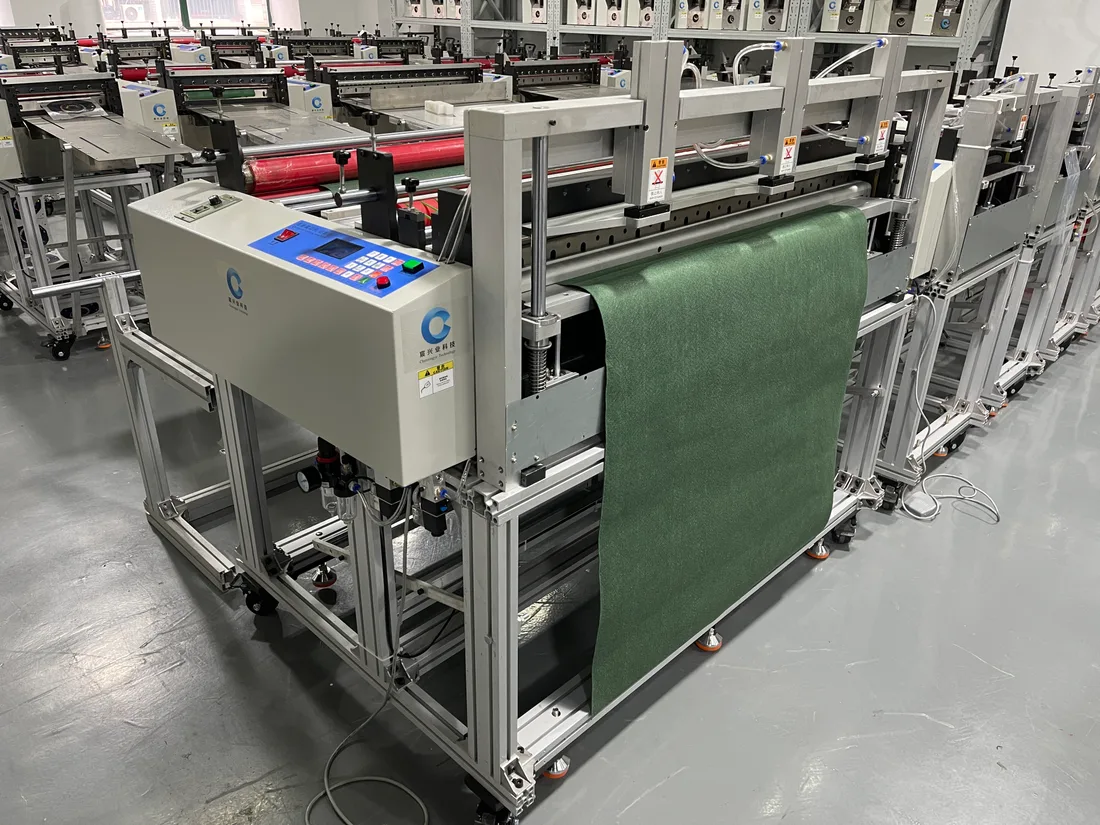
A row of cutters in a workshop, one cutting wide strip to length
A row of cutters in a workshop, one cutting wide strip to length · Source: Shenzhen Chenxingye website ↗ · © the manufacturer, quoted for reference · Resized proportionally and converted to WebP
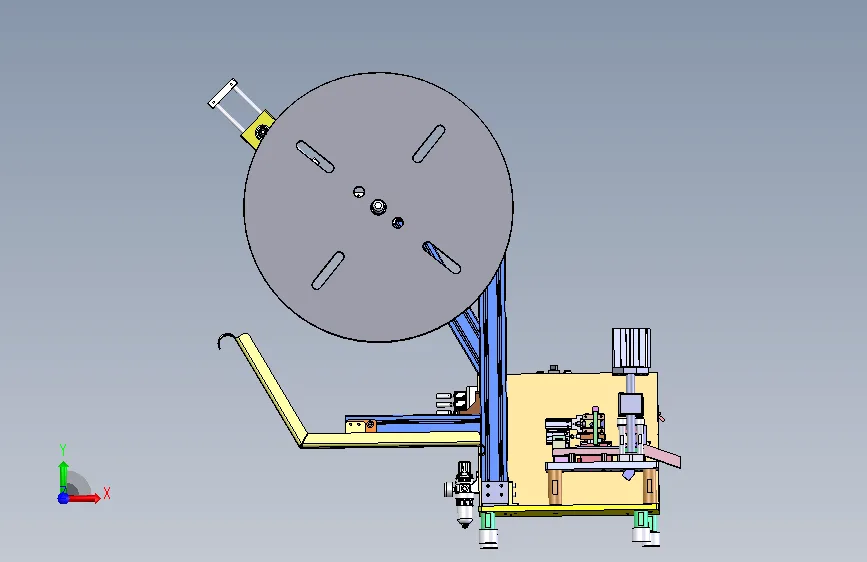
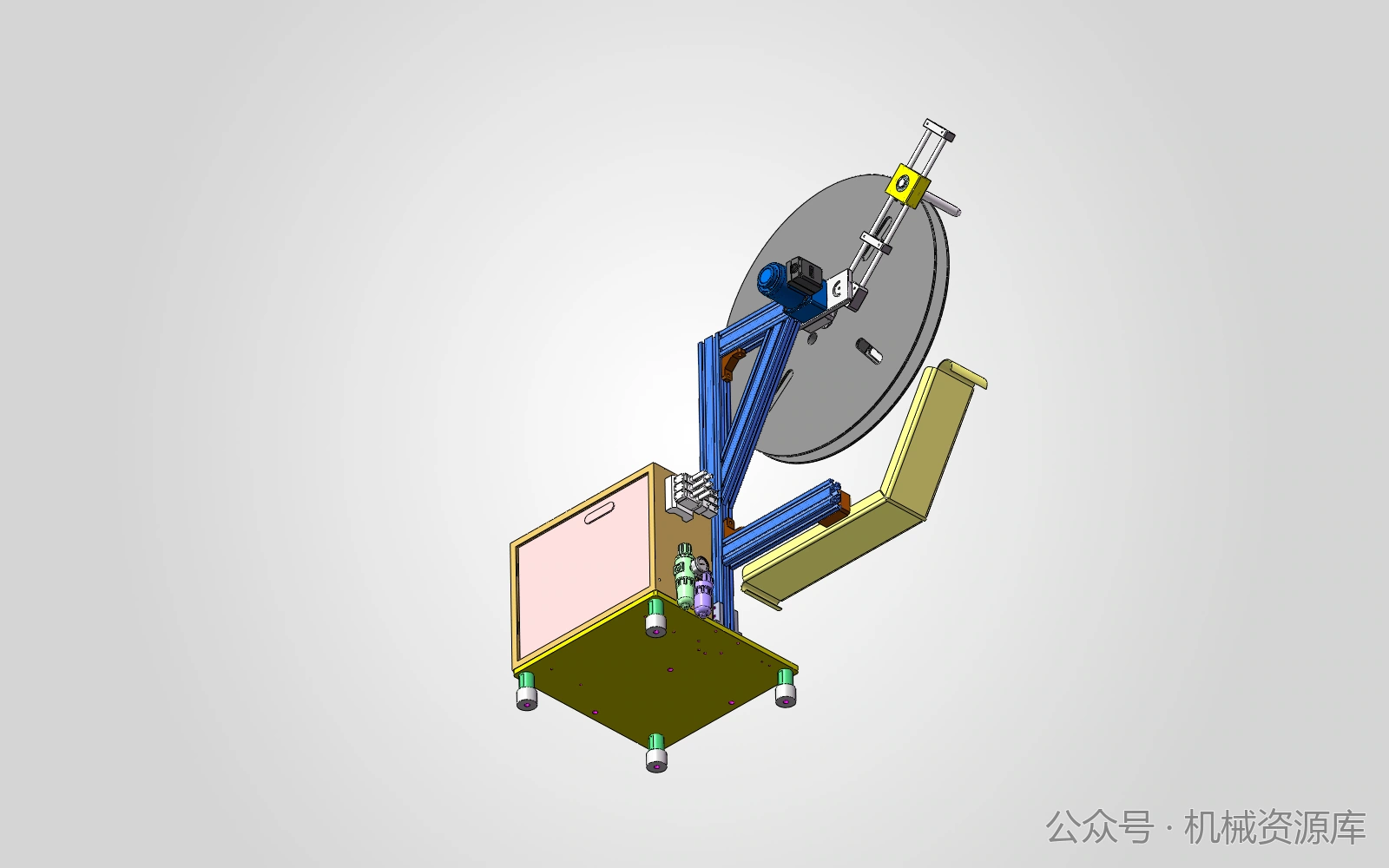
Tape cutting machine, 3D model, side view: reel feeding into the cutter box
Tape cutting machine, 3D model, side view: reel feeding into the cutter box · LazyStones 3D model · Public model library reference image · Resized proportionally and converted to WebP
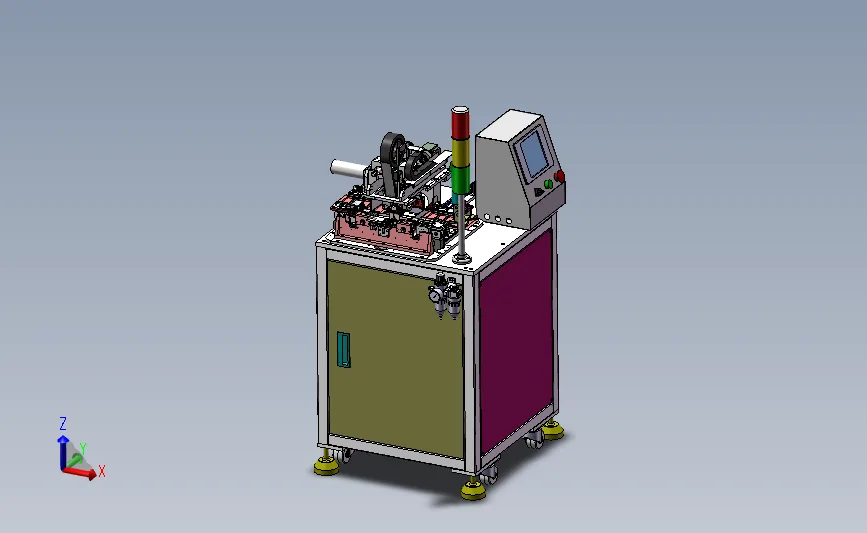
Carrier tape cutter, 3D model: feed and cut unit on the table, screen, stack light
Carrier tape cutter, 3D model: feed and cut unit on the table, screen, stack light · LazyStones 3D model · Public model library reference image · Resized proportionally and converted to WebP

What it does

Cuts continuous strip into single pieces of a specified length or pitch and delivers them in order to the next step.

How it works

The roll passes through guides to the blade; a gripper feed or locating pins advance the strip by length, and the blade shears while the strip is supported and restrained. Cut pieces go to a receiving or tray area and trim is collected separately. Blade edge, feed datum and anti-drag on retraction together decide length consistency.

Process sequence

  1. Thread the strip and confirm direction
  2. Feed by length or pilot holes
  3. Support and hold down
  4. Cut
  5. Output pieces and scrap
  6. Reset and feed again

Key inputs

  1. Strip thickness, stiffness and hole pitch
  2. Cut edge, length and burr requirements
  3. Blade clearance, feed grip and collection method

Common problems

  1. Slipping changing cut length
  2. Burrs and curl
  3. Damaged pilot holes, strip dragged by the blade or trim wrapping

Limits of application

  1. Conductive metal strip, tape and soft film need different blades and cleanliness
  2. Cutting to length is not complex contour die cutting

Functional modules

Unwinding and guiding

Keeps the strip path

Length feeding

Grip-feeds or indexes by pilot holes

Supported cutter

Stabilizes the shear zone

Product and scrap output

Separates pieces from connecting trim

Manufacturer & technical sources

Continue with manufacturer product pages, operating principles and technical information for this equipment type.
ONLY ON MECHWIKI / AGGREGATED

Aggregated references: models, makers, patents & videos

References scattered across model articles, vendor sites and patent databases, gathered under this machine. Checked items are listed; the rest are offered as ready-to-open searches.

Equipment and core-unit manufacturers1

Manufacturer references for whole machines, subsystems and related processes; each item states its scope.

  • YAESU

    ZCUT-9GR cut-to-length machine for tape on a roll · Related process

    This example covers tabletop cutting of compatible flexible tapes. Verify the patent's datum-hole metal-strip feeding and tray loading separately. Check material compatibility and cut-length tolerance for the application.

    Manufacturer reference

Patents: how others built it

Patents are useful for drawings and mechanism ideas. None has been vetted for this entry yet, so here are searches pre-filled with the machine name.

Videos: see it run

No licensed video is hosted for this machine yet; these searches are pre-filled with its name.

3D MODELS

3D models and download information

Explore structure and assembly with models. Download methods, file formats and terms are provided by the original article or mini program.

Find more in the model library →