
EQUIPMENT / PRINCIPLE / DESIGN

Phone/tablet vacuum bonder

Aligns and presses screens, cover glass or their optical adhesive layers under reduced pressure, reducing trapped air between layers.

Equipment principle & structureRequest design help ↗
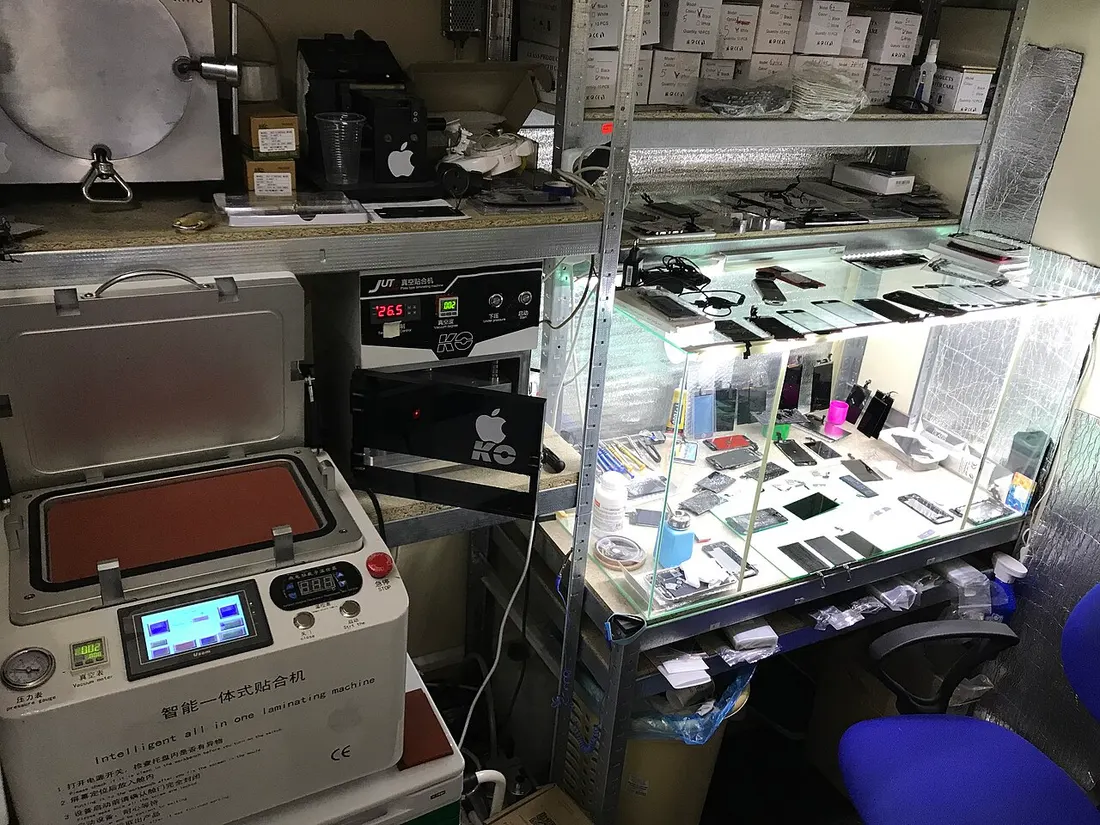
Phone/tablet vacuum bonder · Real machine photo
Phone/tablet vacuum bonder · Real machine photo · Source: Wikimedia Commons ↗ · by Service Kharkov · CC BY-SA 4.0 · Resized and converted to WebP
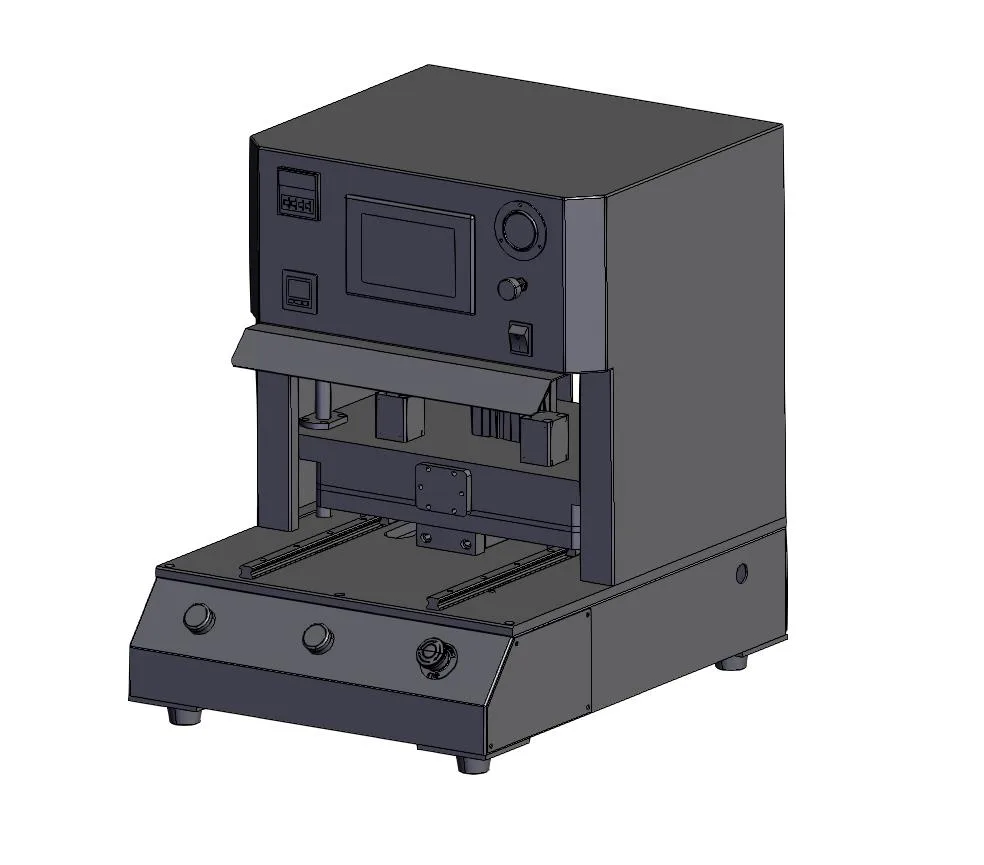
Phone/tablet vacuum bonder · original schematic, not to scale; shows the working principle and modules
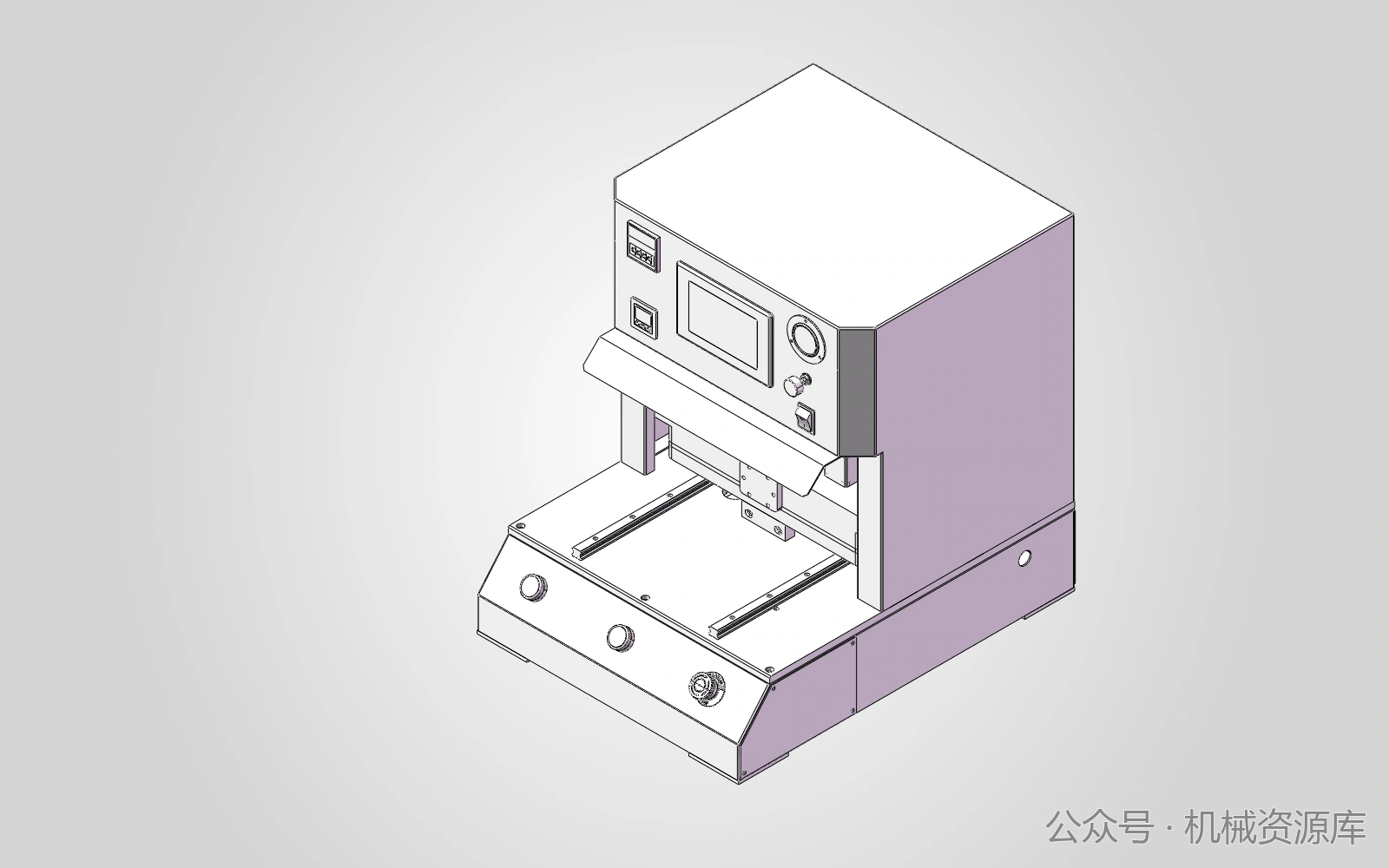
Large-size OCA vacuum laminator, 3D model: upper box with screen, sliding table
Large-size OCA vacuum laminator, 3D model: upper box with screen, sliding table · LazyStones 3D model · Public model library reference image · Resized proportionally and converted to WebP
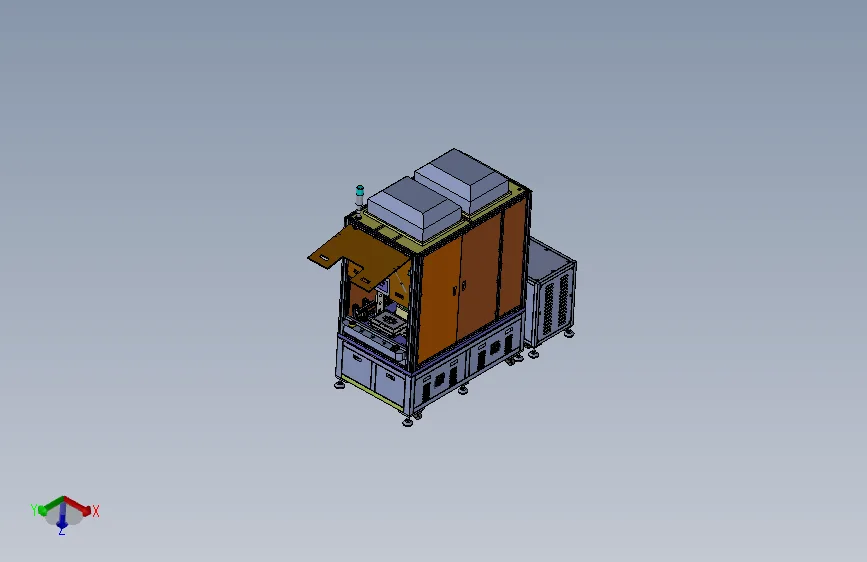
Auto-aligning vacuum laminator, 3D model: cabinet, twin magazines, alignment table
Auto-aligning vacuum laminator, 3D model: cabinet, twin magazines, alignment table · LazyStones 3D model · Public model library reference image · Resized proportionally and converted to WebP

What it does

Aligns and presses screens, cover glass or their optical adhesive layers under reduced pressure, reducing trapped air between layers.

How it works

Part and cover are held in upper and lower fixtures; after the sealed chamber is evacuated, the pressing mechanism makes controlled contact and the adhesive progressively wets the interface. Pressure is then restored slowly; some OCA systems also need a separate pressure debubbling step, and vacuum lamination and later debubbling are not the same pressure stage.

Process sequence

  1. Clean and align
  2. Load into the sealed chamber
  3. Evacuate and stabilize
  4. Press under control
  5. Hold per the process
  6. Repressurize, remove and inspect

Key inputs

  1. Screen, cover and adhesive system
  2. Vacuum, pressing and material load limits
  3. Fixture parallelism, cleanliness and later debubbling requirements

Common problems

  1. Particles, misplacement and local bubbles
  2. Chamber leaks
  3. Uneven pressing, broken glass and repressurizing too fast

Limits of application

  1. Vacuum only reduces trapped air and cannot fix contamination or incompatible adhesive
  2. Solid OCA and liquid LOCA have different curing needs

Functional modules

Upper and lower locating dies

Hold screen and cover datums

Sealed vacuum chamber

Reduces trapped air

Pressing actuator

Controls contact force and path

Repressurization interface

Restores atmosphere and hands over

Manufacturer & technical sources

Continue with manufacturer product pages, operating principles and technical information for this equipment type.
ONLY ON MECHWIKI / AGGREGATED

Aggregated references: models, makers, patents & videos

References scattered across model articles, vendor sites and patent databases, gathered under this machine. Checked items are listed; the rest are offered as ready-to-open searches.

Patents: how others built it

Patents are useful for drawings and mechanism ideas. None has been vetted for this entry yet, so here are searches pre-filled with the machine name.

Videos: see it run

No licensed video is hosted for this machine yet; these searches are pre-filled with its name.

3D MODELS

3D models and download information

Explore structure and assembly with models. Download methods, file formats and terms are provided by the original article or mini program.

Find more in the model library →