

What it does
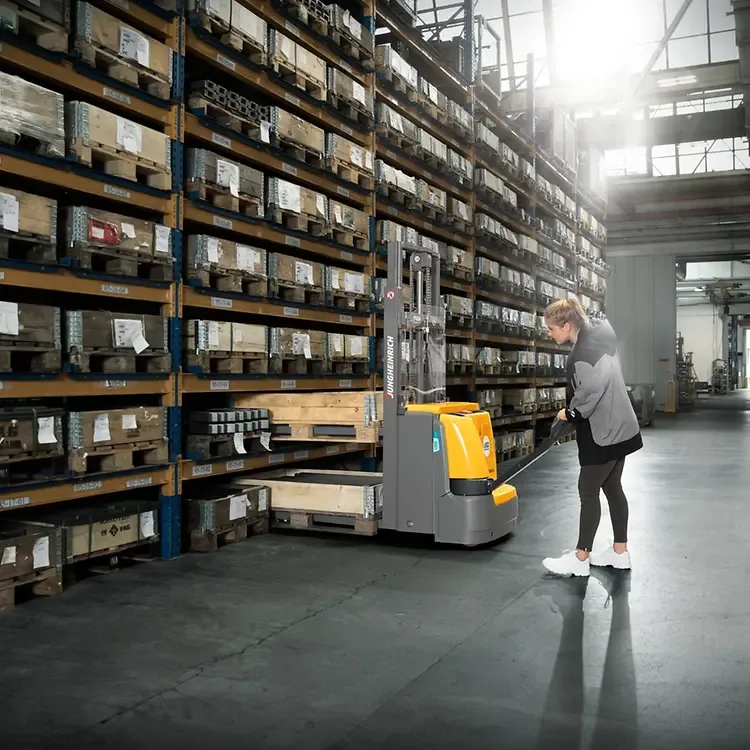
Lets an operator walking behind the truck move pallets short distances and stack them, for warehouse work that suits its aisle and load conditions.
How it works
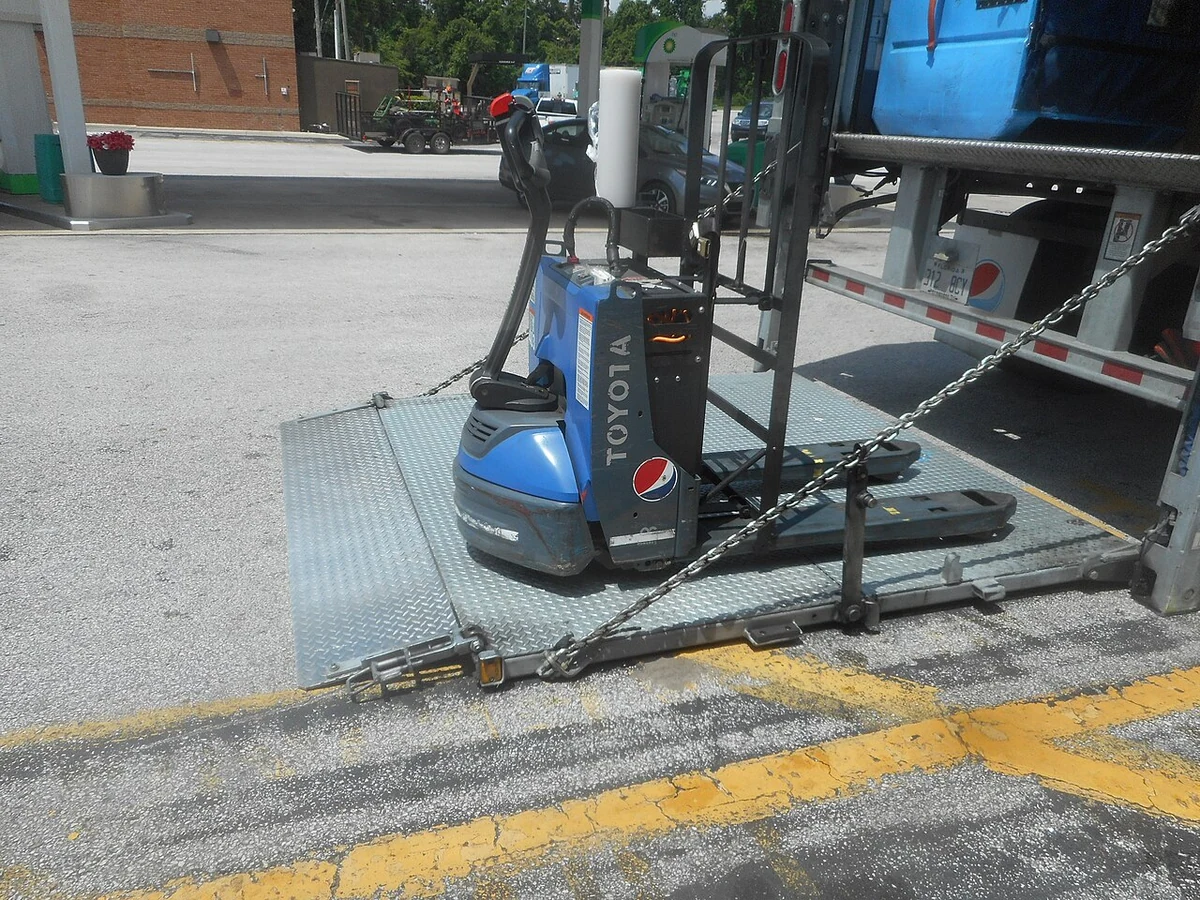
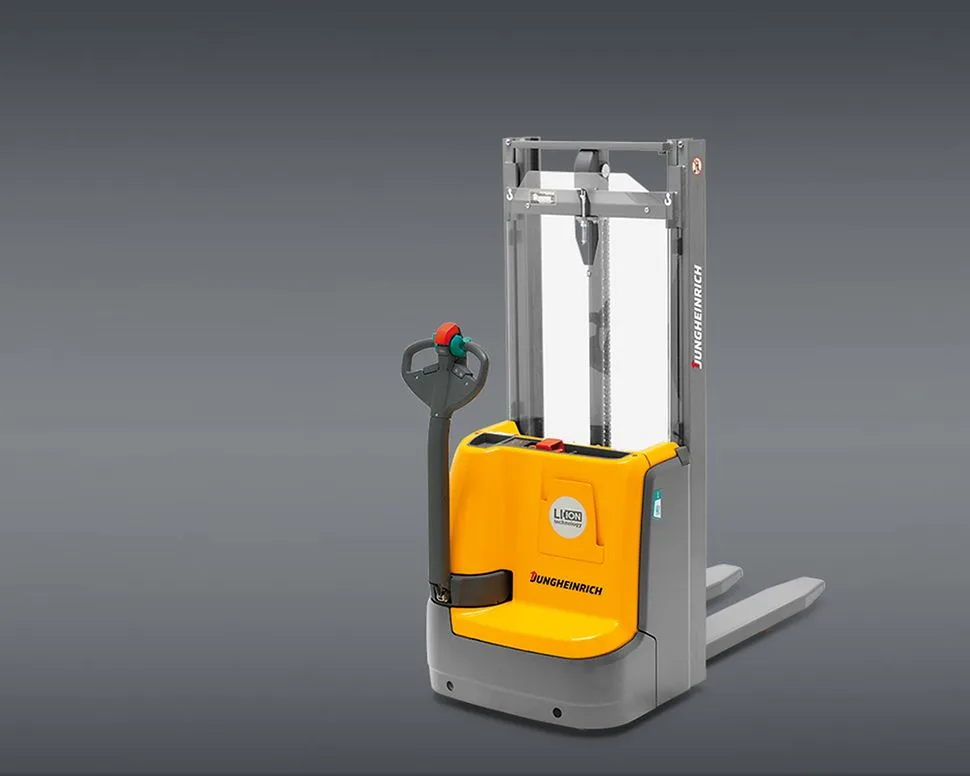
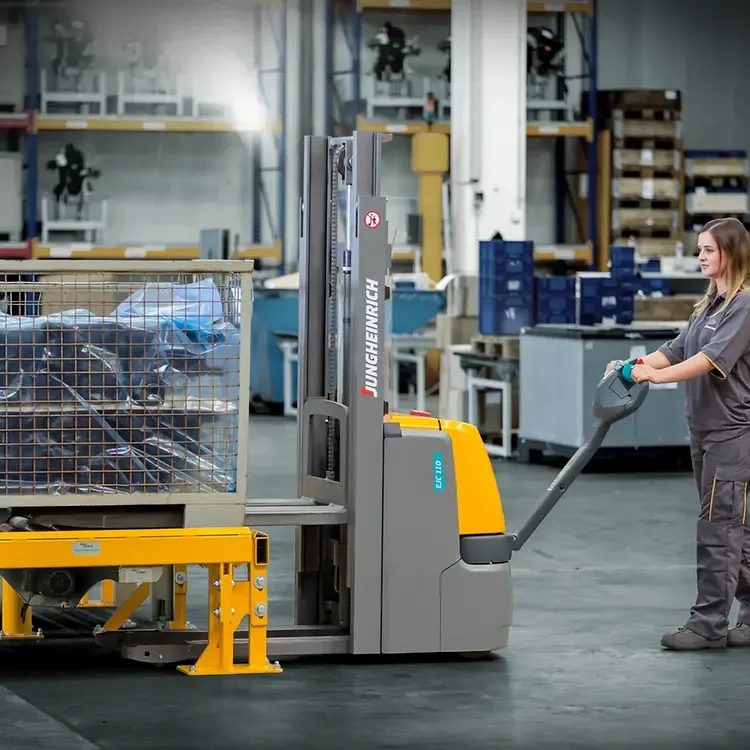
The tiller controls direction and speed of the electric drive chassis, and the mast lifts forks and load to the rack position. Legs and truck body support the load together, and straddle legs can sit either side of the pallet; the pallet bottom design decides whether it can be entered and set down smoothly.
Process sequence
- Line up with the pallet
- Insert forks and lift
- Travel with the load low
- Align with the stacking position and lift
- Set the load down
- Withdraw the forks
Key inputs
- Pallet bottom design and fork spread
- Stacking height, load centre and aisles
- Operator space and floor condition
Common problems
- Legs unable to enter the pallet
- Too little space causing pinch risk when turning
- Unstable loads at height or mast blocking view
Limits of application
- Walkie, ride-on and reach stackers are built differently
- Double pallet handling applies only to models configured for it
Functional modules
Tiller
Inputs travel, steering and lift commands
Drive chassis
Moves over the floor
Mast and forks
Lift and lower loads vertically
Outrigger legs
Support loads and fit pallets
Manufacturer & technical sources
Continue with manufacturer product pages, operating principles and technical information for this equipment type.