
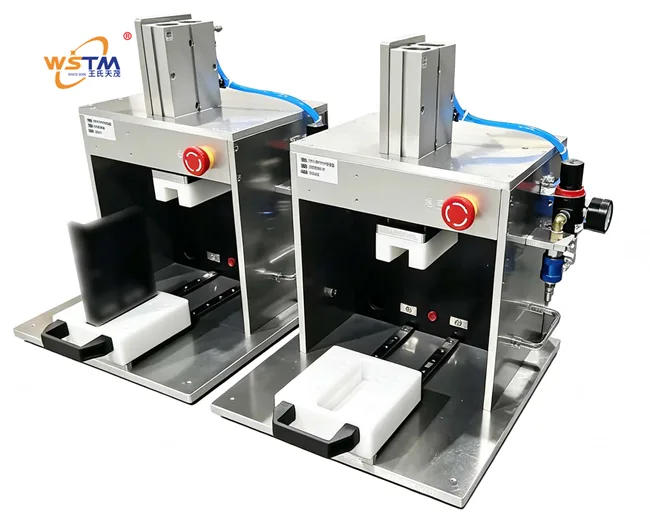

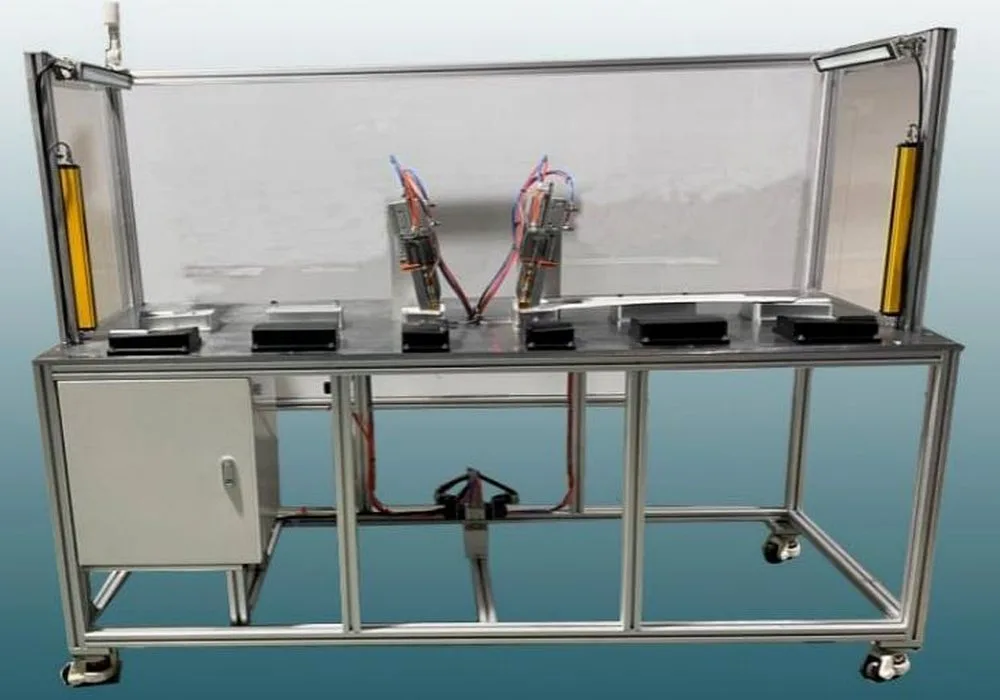
What it does
Locates and supports both parts of a snap-fit joint and guides them along the correct path, reducing misalignment and local overload.
How it works
Taking a cantilever snap fit as an example, the lead-in face bends the latch briefly during assembly; it passes the undercut of the mating part, springs back and holds. Tooling should deliver force to the designed assembly points and leave room for the latch's elastic travel; reaching the outer end position must still be followed by confirming engagement.
Process sequence
- Locate both parts
- Confirm latch and lead-in orientation
- Approach on guides and press
- Latch passes the undercut and springs back
- Check gap and retention
- Remove the assembly
Key inputs
- Snap-fit type, material and allowable strain
- Lead-in angle, undercut and tolerances
- Assembly direction, support points and allowed disassembly cycles
Common problems
- Skew loading one latch first
- Stress concentration at the root, whitening or breakage
- Latch not returning, false engagement or support marks
Limits of application
- Cantilever, torsion and annular snap fits deform differently
- Whether a joint can be reassembled depends on design and material; misalignment cannot be made up by more insertion force
Functional modules
Part locating
Controls the relative datum of both parts
Support and stops
Back up loaded areas and prevent overtravel
Press guidance
Sends assembly force along the designed path
State check
Confirms latch return and seam hold
Manufacturer & technical sources
Continue with manufacturer product pages, operating principles and technical information for this equipment type.