
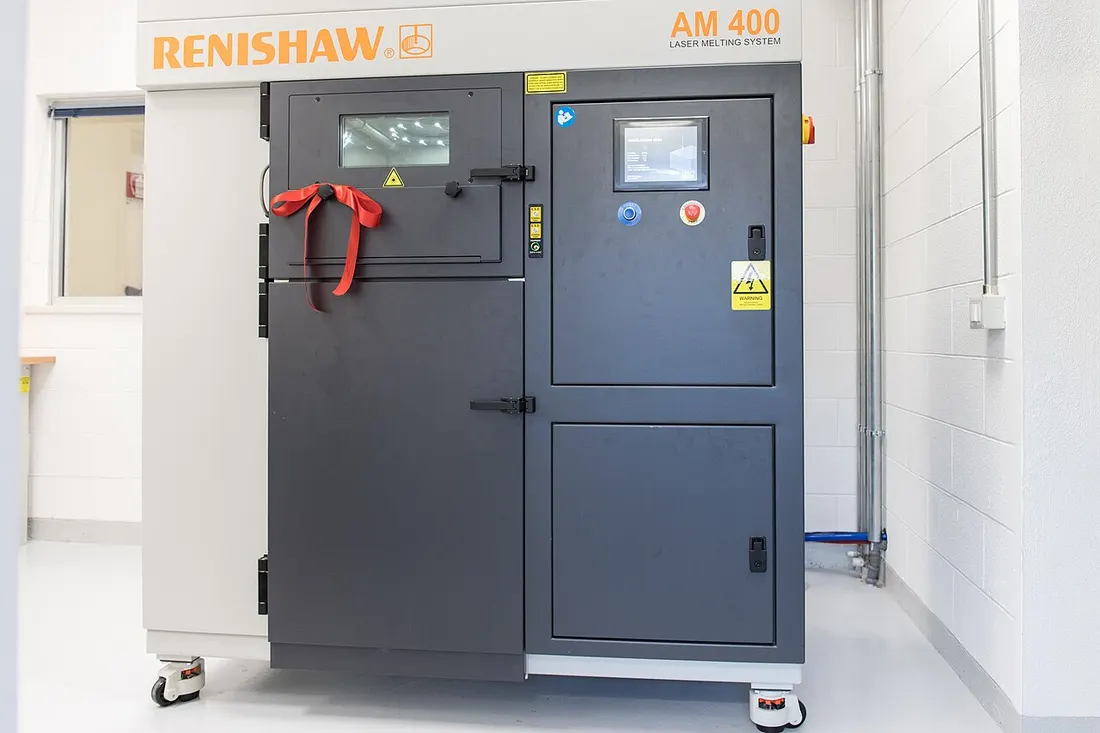

What it does
Fuses cross-sections layer by layer in a metal powder bed, producing metal parts that need post-processing.
How it works
The recoater spreads a metal powder layer on the platform, the laser scans and melts it locally according to the slice, and the platform steps down to repeat. Powder management, build environment, supports and thermal history together affect the result, and metal fusion printing must not be confused with sintering binder-jetted green parts.
Process sequence
- Prepare orientation, supports and slices
- Load powder and confirm the environment
- Spread powder and scan with the laser
- Repeat layer by layer
- Cool and depowder per process
- Post-process and inspect
Key inputs
- Alloy and validated process
- Build orientation and supports
- Powder condition and reuse requirements
- Heat treatment and machining route
Common problems
- Recoating defects changing fusion
- Heat build-up causing warp
- Weak supports affecting the build
- Lack of fusion or porosity needing inspection
Limits of application
- This page covers laser metal powder bed fusion
- SLM and some makers' DMLS naming must be read against the actual process
- Finishing the print does not justify claiming finished-part properties
Functional modules
Powder supply and recoating
Form even metal powder layers
Laser and scanning
Melt cross-sections selectively
Build platform and supports
Locate and carry the build
Atmosphere and powder recovery
Keep the process environment and clear excess powder
Manufacturer & technical sources
Continue with manufacturer product pages, operating principles and technical information for this equipment type.