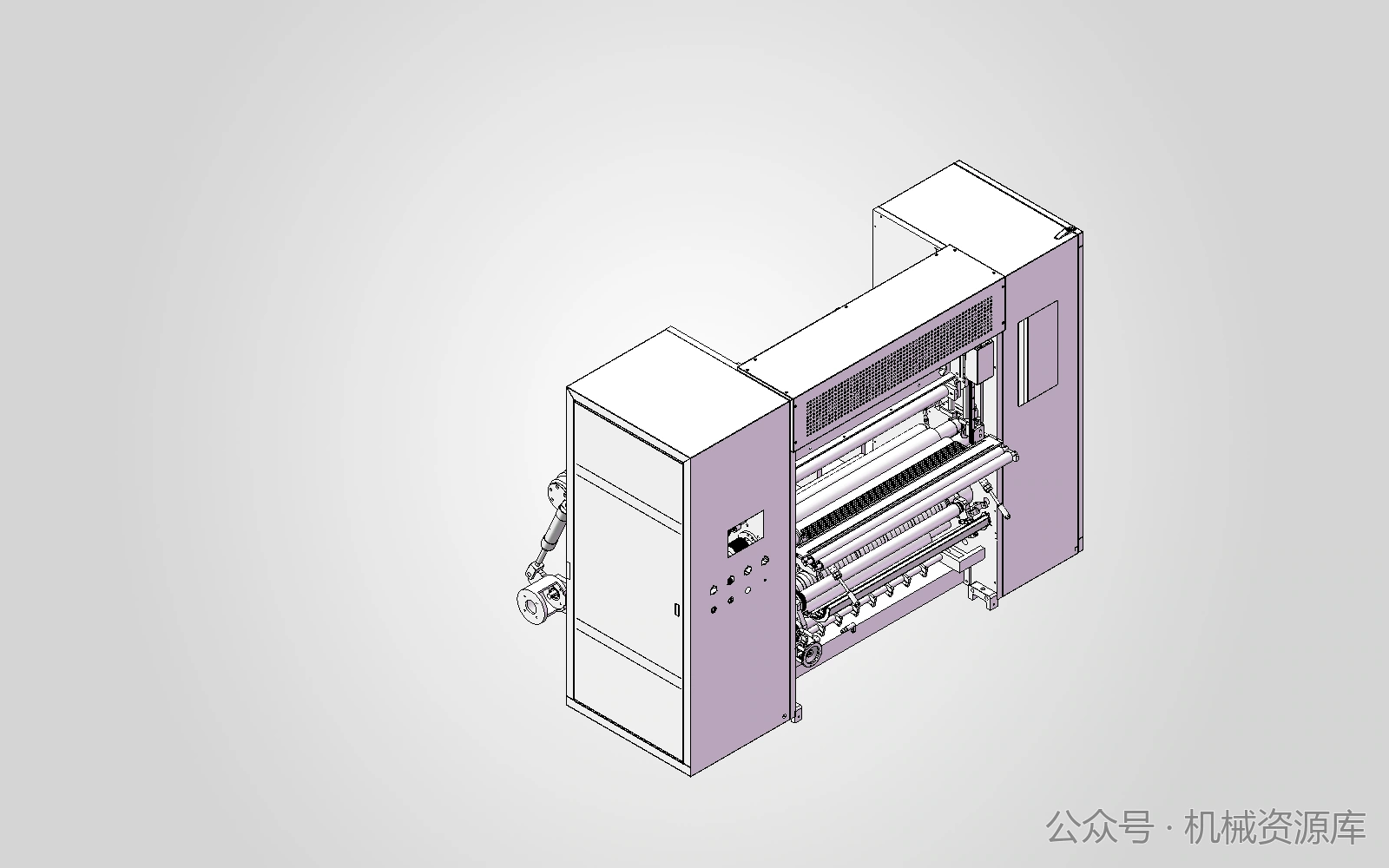

What it does
Splits a wide reel into several narrow strips along the running direction and rewinds each to the target size.
How it works
The unwind feeds the web into the running section, web guides and rollers keep its position, and knives cut it to set widths. Separated strips go to rewind shafts or independent winding stations; thickness variation causes diameter differences, and differential rewinding and similar methods balance tension across strips.
Process sequence
- Load the reel, thread and splice
- Position knives and cores
- Set web tension
- Slit continuously and remove trim
- Rewind each strip
- Stop, cut the tail and unload
Key inputs
- Film, paper, foil or laminate
- Slit width, core and target diameter
- Slitting method, edge position, tension and rewind support
Common problems
- Burred or dusty slit edges
- Wrinkled strips and telescoped ends
- Diameter differences between strips causing uneven hardness
Limits of application
- Razor, shear and crush slitting suit different materials
- Slitting and rewinding differs from log saws that cut whole reels without unwinding; capability cannot be compared by reel diameter alone
Functional modules
Unwind and web guiding
Set feed tension and edge position
Slitting knives
Split the web by razor, shear or other method
Rewind system
Builds each finished reel
Trim removal and unloading
Handle edge trim and remove finished reels
Manufacturer & technical sources
Continue with manufacturer product pages, operating principles and technical information for this equipment type.