

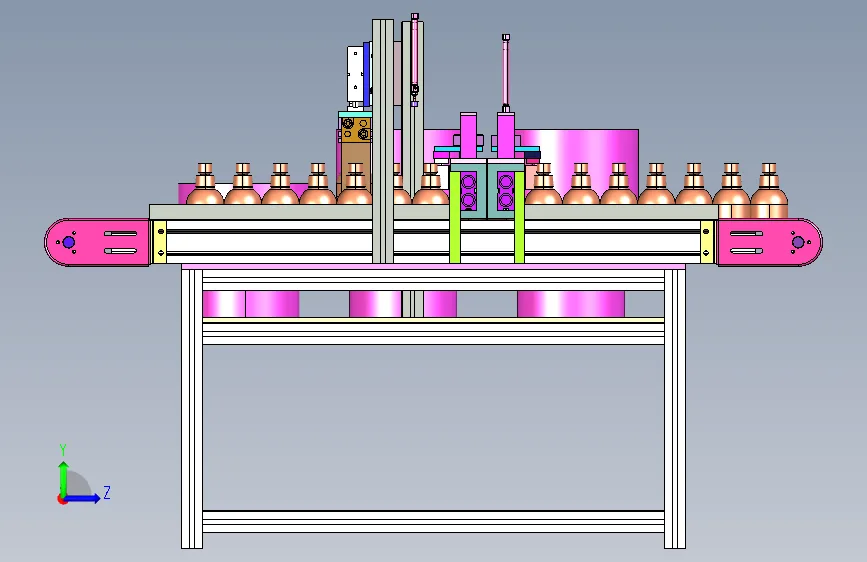
What it does
Locates and joins the shower head body, nozzles and specified accessories in sequence, forming an assembly ready for further testing.
How it works
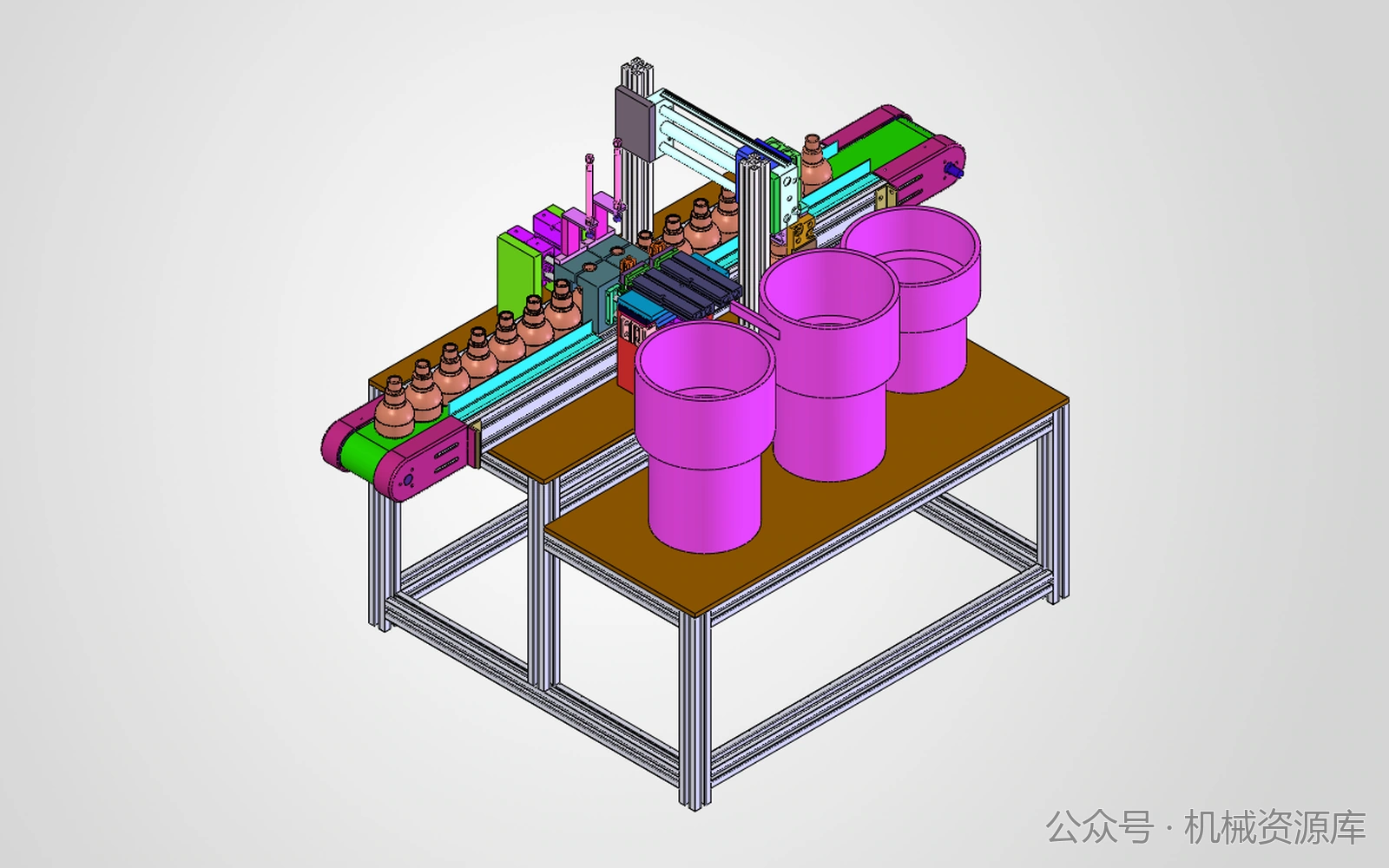
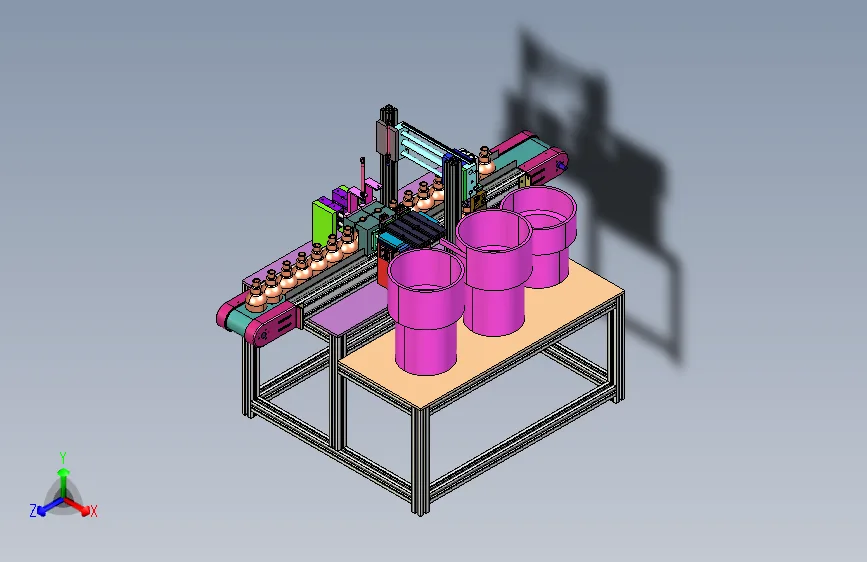
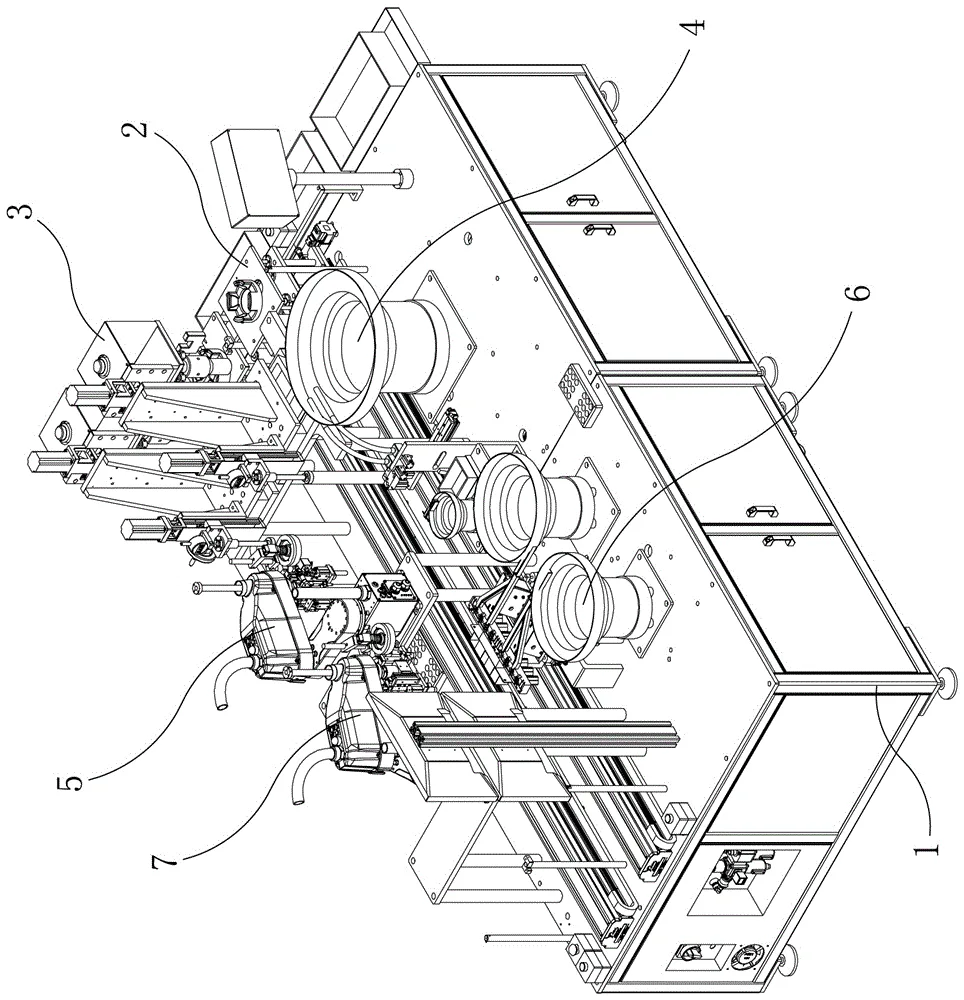
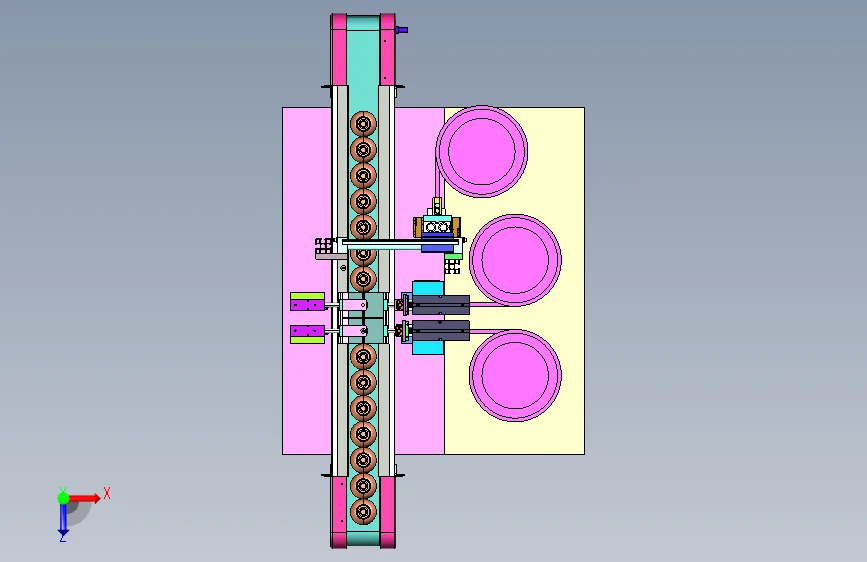
Taking a manipulator assembly design as an example, feed bowls and tracks supply accessories, and a gripping chuck that can rotate and lift carries the base to the station, then picks nozzles and other parts and presses or threads them on according to the joint type. Flexible outlet parts need contoured support so assembly force does not damage the spray holes.
Process sequence
- Confirm main parts
- Locate the base
- Pick nozzles and accessories
- Press or thread per the process
- Check the assembly
- Hand over to water path testing
Key inputs
- Shower head construction and joint types
- Loadable areas of soft outlet parts
- Grip faces, assembly direction and accessory presence
Common problems
- Soft nozzle material scratched
- Parts offset or missing
- Cross-threading and blocked water paths after assembly
Limits of application
- Visual assembly checks do not replace spray pattern, leak and mode-switch tests
- Valve core and seal order of multi-mode shower heads must follow the specific design
Functional modules
Main part storage
Separates bases and nozzles
Accessory orientation
Feeds small parts one by one
Rotary lifting gripper
Picks, places and joins
Station support
Keeps datums and protects soft parts
Manufacturer & technical sources
Continue with manufacturer product pages, operating principles and technical information for this equipment type.