
EQUIPMENT / PRINCIPLE / DESIGN

Shield can inspect & pack

Checks shield cans for orientation, outline, surface or flatness as specified and packs good parts into carrier tape or trays.

Equipment principle & structureRequest design help ↗
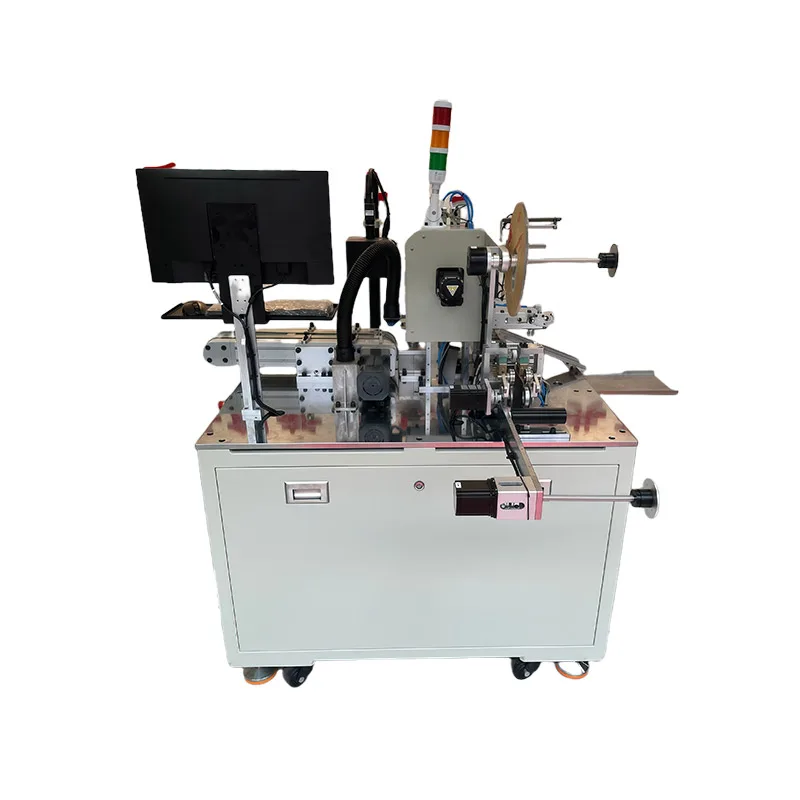
Shield can inspection and taping machine, carrier tape reel at right
Shield can inspection and taping machine, carrier tape reel at right · Source: Yousidi website ↗ · © the manufacturer, quoted for reference · Resized proportionally and converted to WebP
Shield can inspect & pack · original schematic, not to scale; shows the working principle and modules
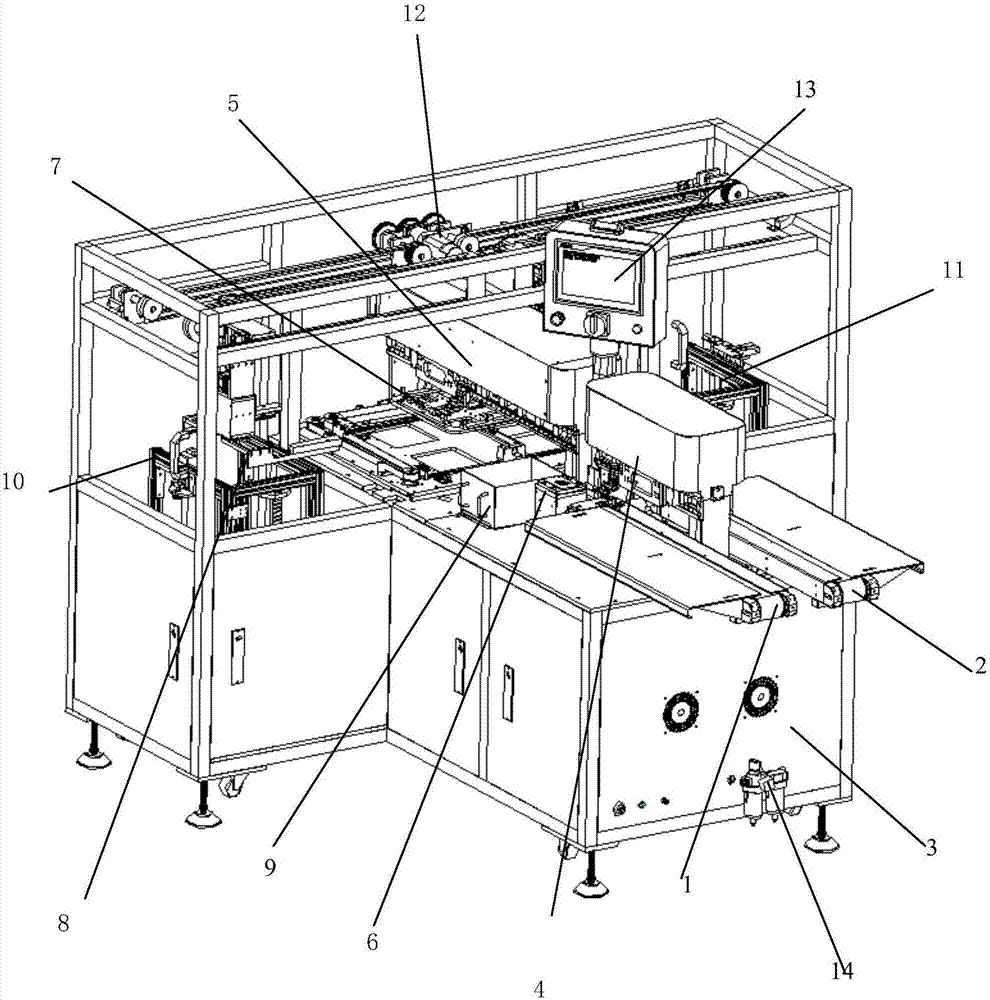
Shield can inspect-and-pack machine (patent): tracks, inspection station, out belt
Shield can inspect-and-pack machine (patent): tracks, inspection station, out belt · Original patent drawing · Resized proportionally with the original mark retained
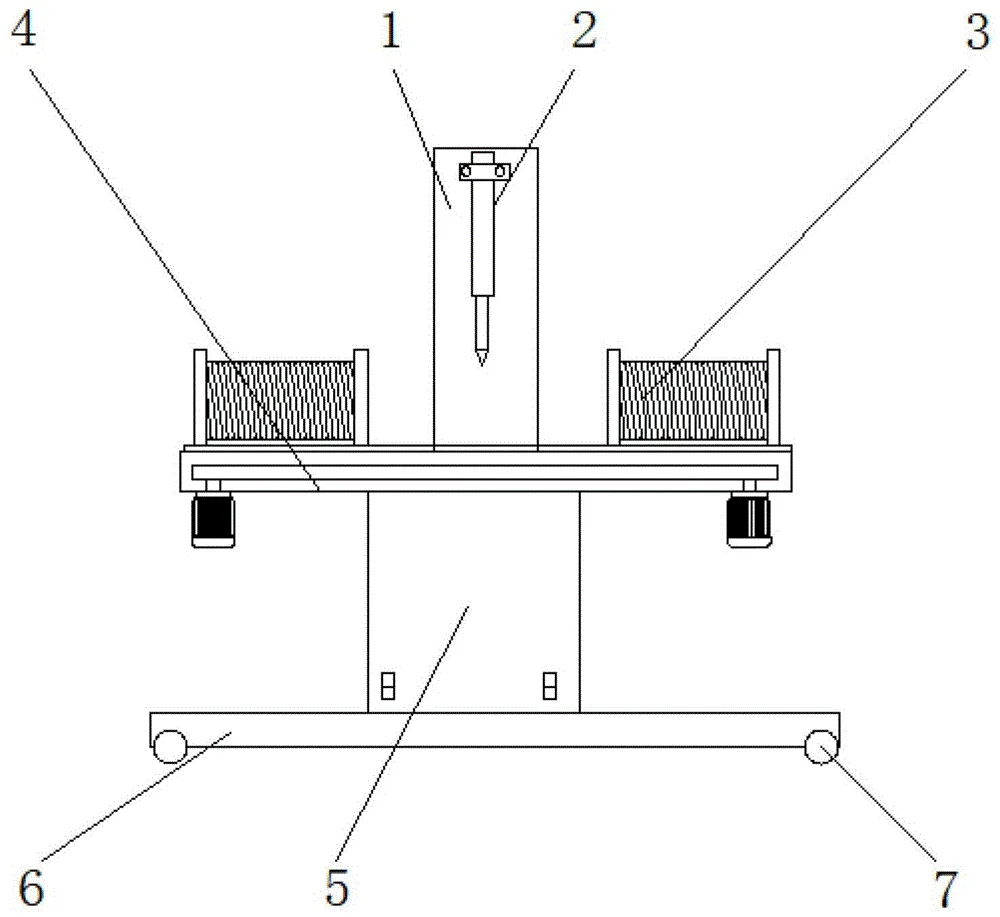
Shield can inspection (patent): camera station above the carrier tape
Shield can inspection (patent): camera station above the carrier tape · Original patent drawing · Resized proportionally with the original mark retained

What it does

Checks shield cans for orientation, outline, surface or flatness as specified and packs good parts into carrier tape or trays.

How it works

The handler moves thin-wall shield cans station by station, using top and bottom imaging, side checks and independent flatness measurement as needed; each station's result stays tied to its part. Good parts go to the packing locator, rejects are diverted earlier, and packing then seals the cover tape or protective structure.

Process sequence

  1. Orient and separate
  2. Check face and appearance
  3. Measure dimensions or flatness as needed
  4. Combine results
  5. Divert rejects
  6. Pack good parts in trays or tape

Key inputs

  1. Can wall thickness, bends and suction areas
  2. Defect criteria, no-press faces and measuring datums
  3. Tape pockets, cover film and traceability

Common problems

  1. Thin walls deformed by gripping
  2. Reflections and cutouts confusing inspection
  3. Results shifted, stacked parts or packing damage

Limits of application

  1. Visual appearance checks and actual coplanarity measurement are different capabilities
  2. Cans with insulating adhesive need a separate adhesive check, and passing packing does not mean shielding effectiveness has been tested

Functional modules

Oriented loading

Prevents reversed and stacked cans

Multi-view inspection

Covers the specified visible faces

Synchronized handling

Keeps part identity

Sorting and packing

Isolates rejects and protects thin-wall parts

Manufacturer & technical sources

Continue with manufacturer product pages, operating principles and technical information for this equipment type.

ONLY ON MECHWIKI / AGGREGATED

Aggregated references: models, makers, patents & videos

References scattered across model articles, vendor sites and patent databases, gathered under this machine. Checked items are listed; the rest are offered as ready-to-open searches.

Equipment and core-unit manufacturers1

Manufacturer references for whole machines, subsystems and related processes; each item states its scope.

  • Cognex

    Machine vision module for metal surface and assembly inspection · Key subsystem

    This is a vision inspection module. Verify detection of shield warping and reflective defects and compatibility with carrier tape independently. Tape feeding, packing and complete line integration require separate equipment.

    Manufacturer reference

Patents: how others built it

Patents are useful for drawings and mechanism ideas. None has been vetted for this entry yet, so here are searches pre-filled with the machine name.

Videos: see it run

No licensed video is hosted for this machine yet; these searches are pre-filled with its name.

3D MODELS

3D models and download information

Explore structure and assembly with models. Download methods, file formats and terms are provided by the original article or mini program.

Find more in the model library →