
What it does
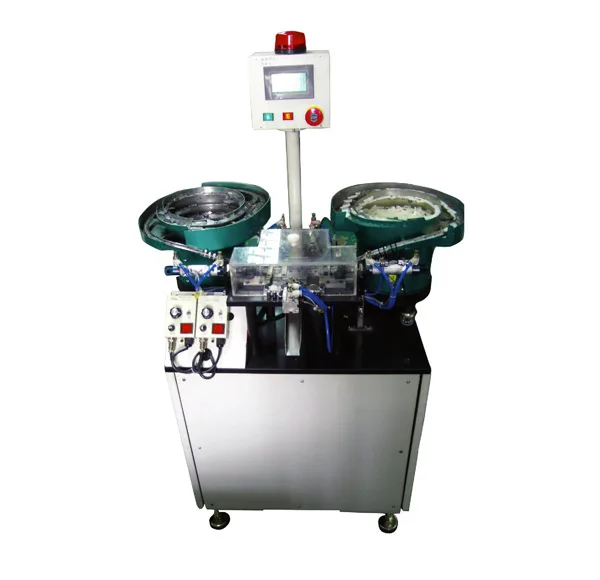
Inserts steel plates in the right orientation into locating slots of plastic housings, giving plastic assemblies with metal inserts.
How it works
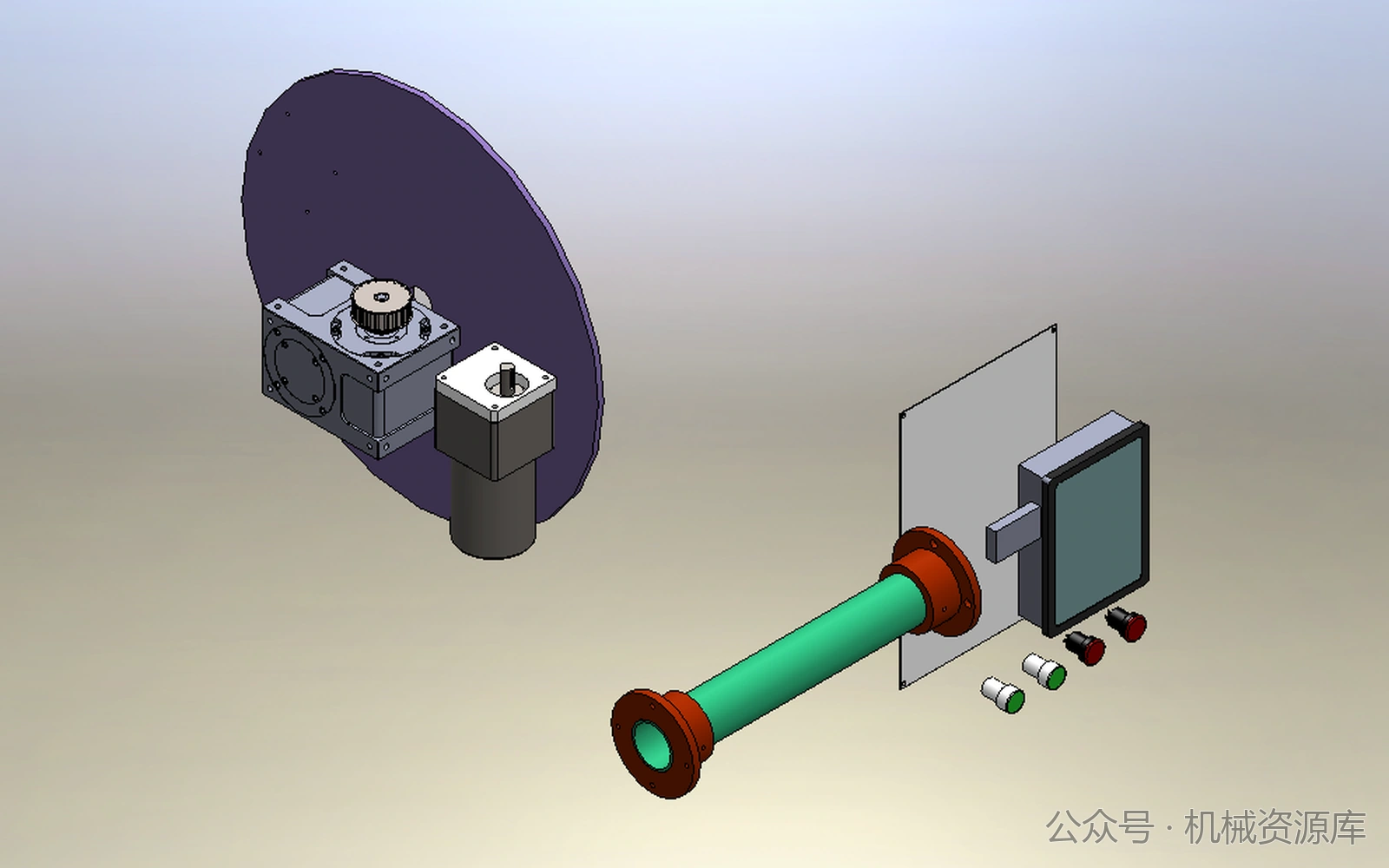
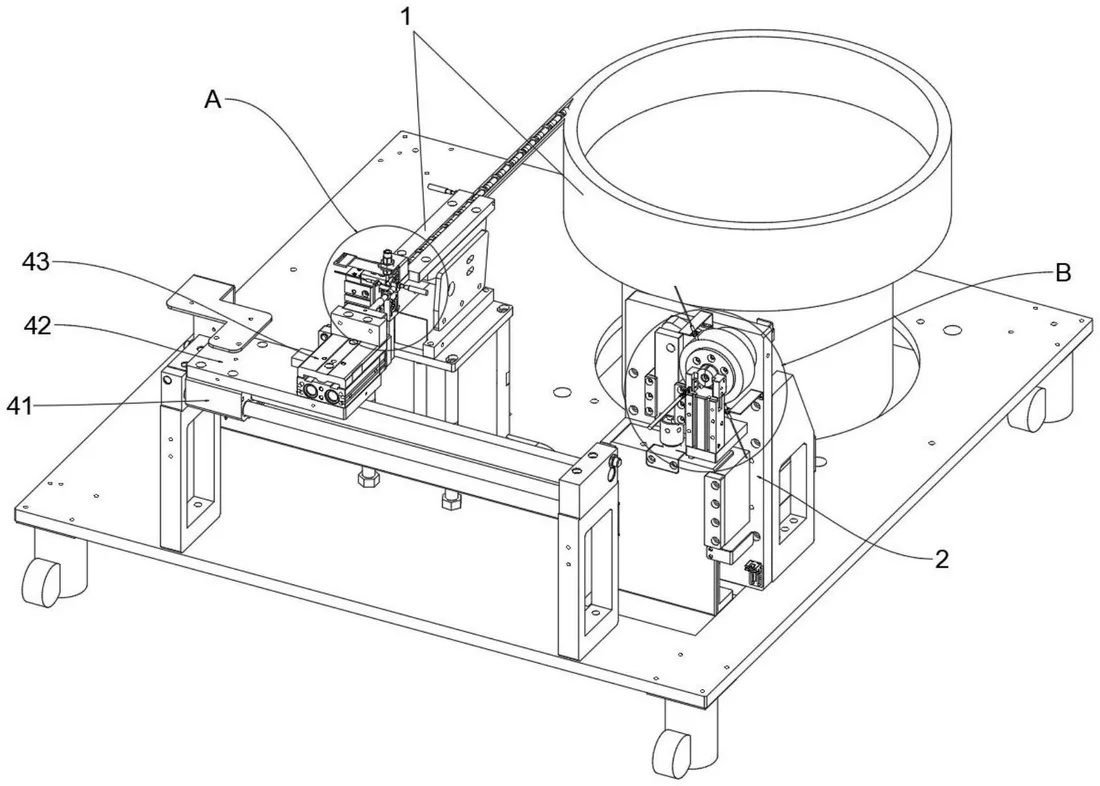
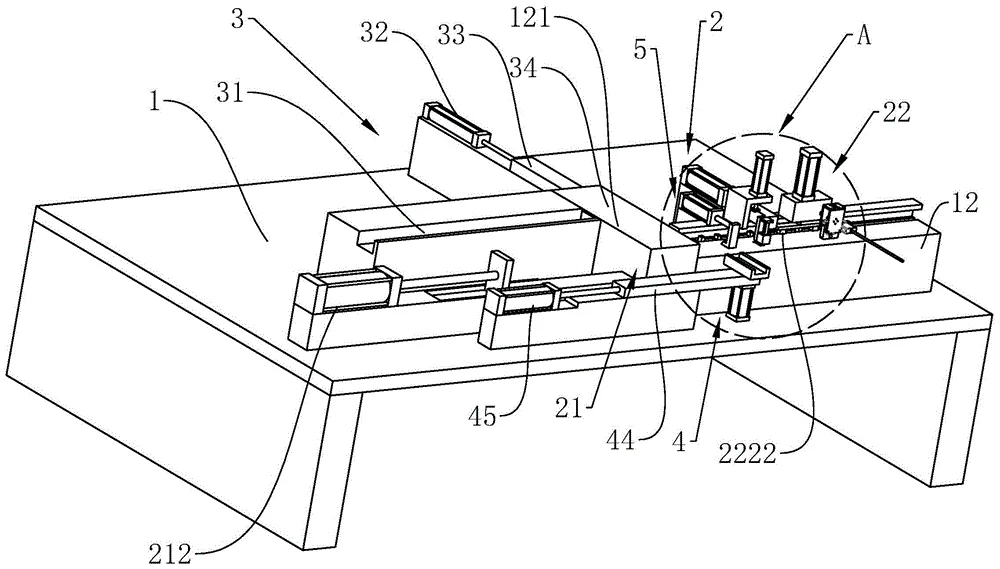
Taking reinforcing plates for plastic pin housings as an example, plates are stacked in a magazine and pushed out one at a time from the bottom, and the housing travels along a T-slot into a locating clamp seat; once the guide slot lines up with the housing bore, a pusher drives the plate in straight, the clamp seat retracts and the finished part is ejected.
Process sequence
- Feed oriented housings and plates
- Locate and clamp the housing
- Push a single plate along the slot
- Insert the plate into the housing
- Retract the clamp seat
- Eject and check
Key inputs
- Plastic slot shape and thin walls
- Plate thickness, burrs and face orientation
- Press support, stroke and single-plate thickness
Common problems
- Double plates jamming
- Slot edges shaving plastic
- Off-centre pressing cracking housings and plates not reaching depth
Limits of application
- Inserting reinforcing plates differs from overmoulding
- A fitted structural plate gives no electrical grounding function; connector housings need separate testing for their actual use
Functional modules
Plate magazine
Separates and guides single plates
Housing feed
Pushes oriented housings into position
Locating and pressing
Supports the housing and keeps slot alignment
Ejection and detection
Checks presence and outputs
Manufacturer & technical sources
Continue with manufacturer product pages, operating principles and technical information for this equipment type.