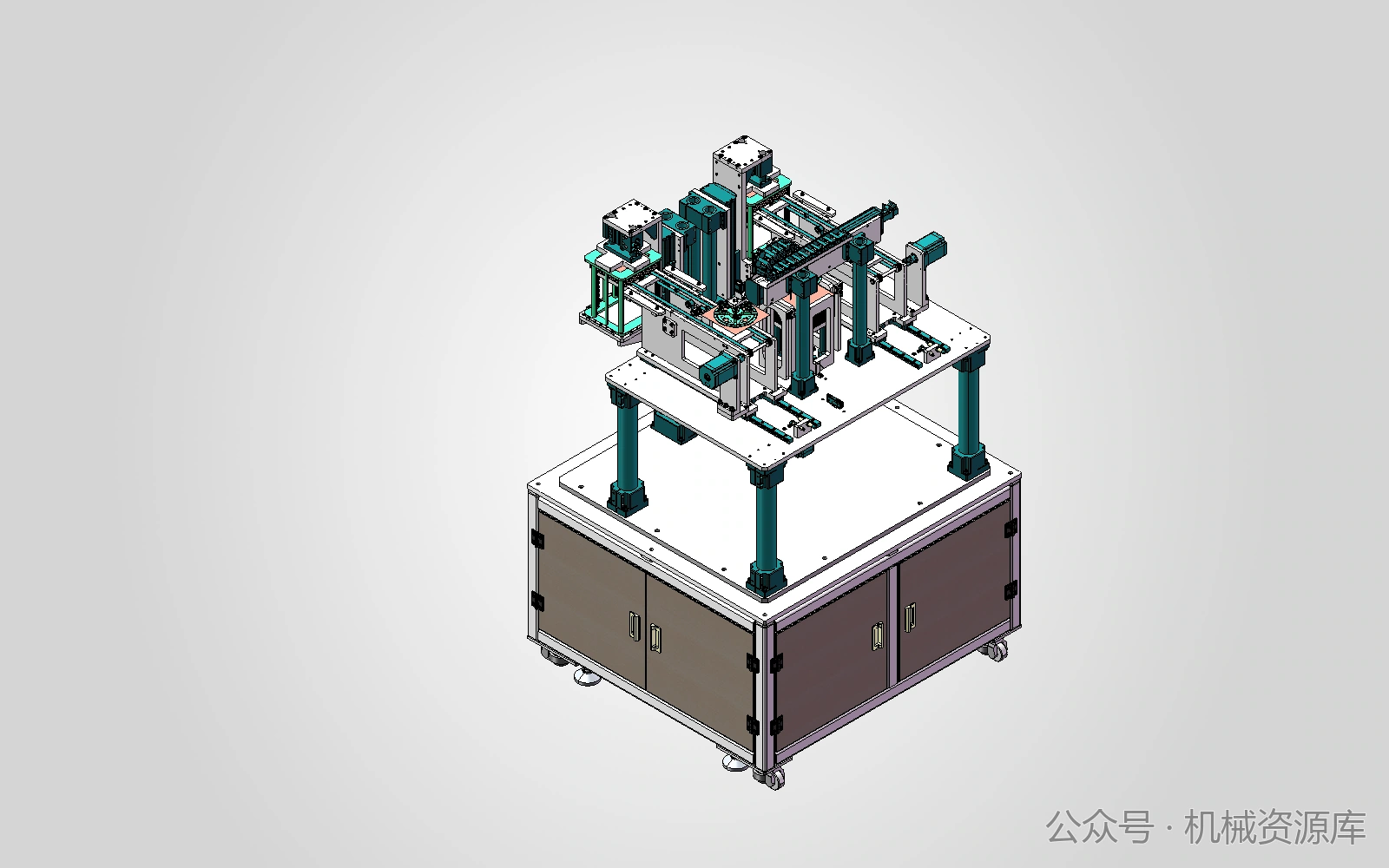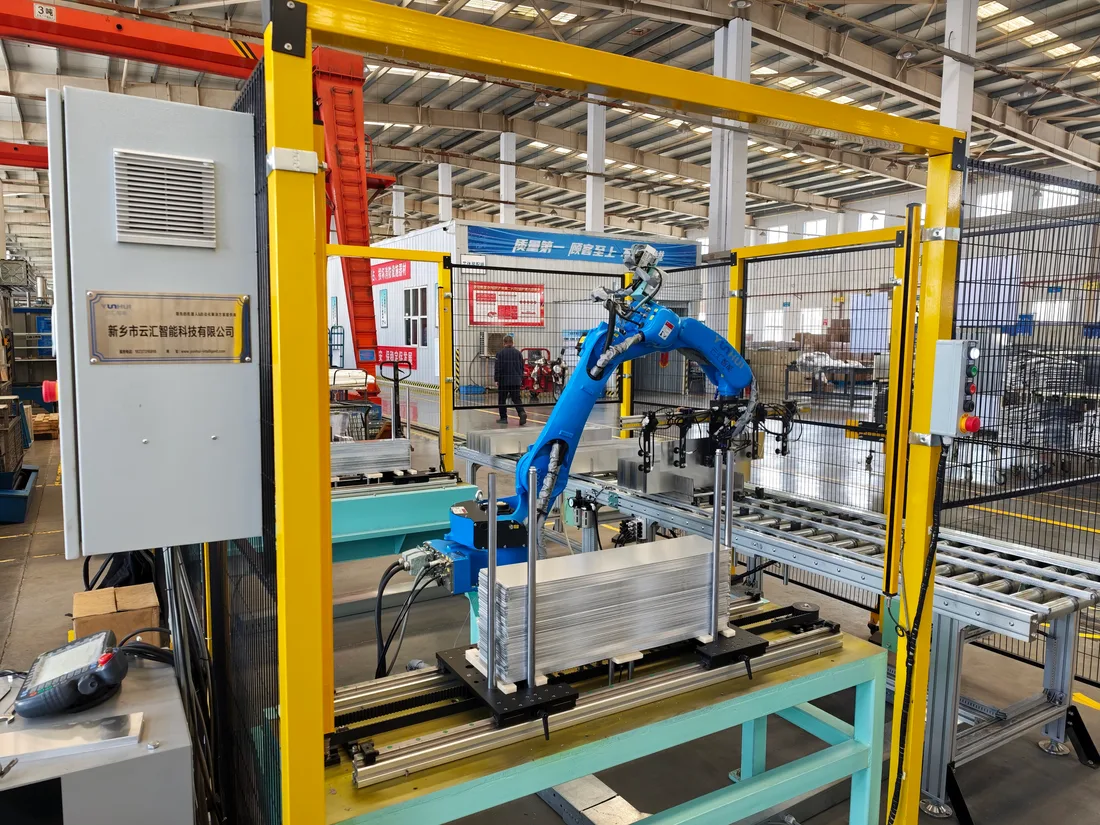

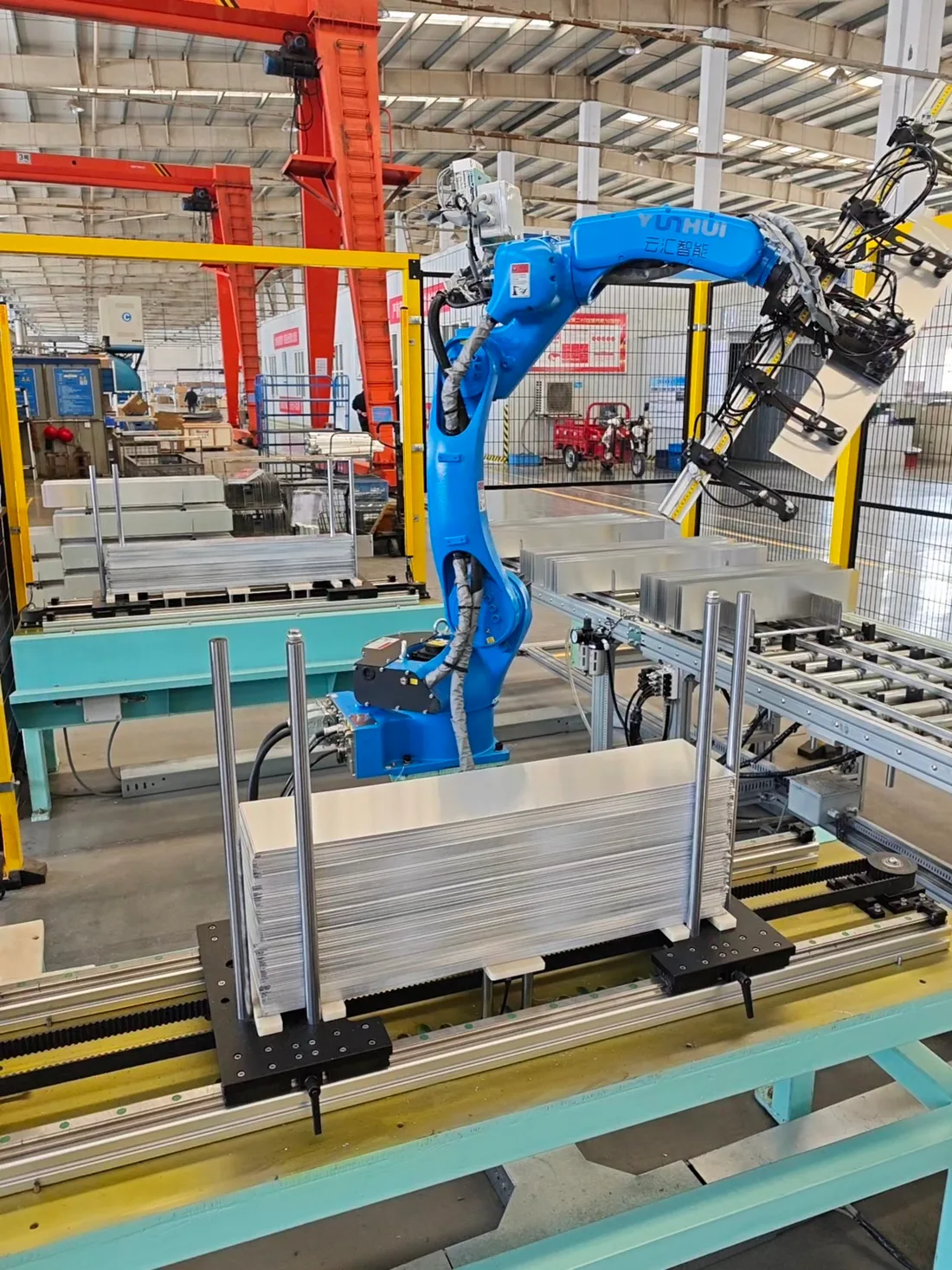
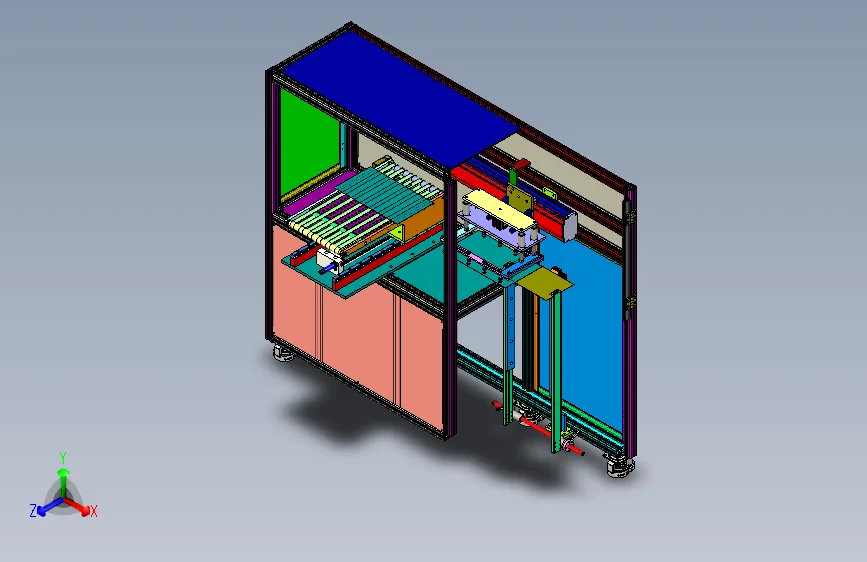
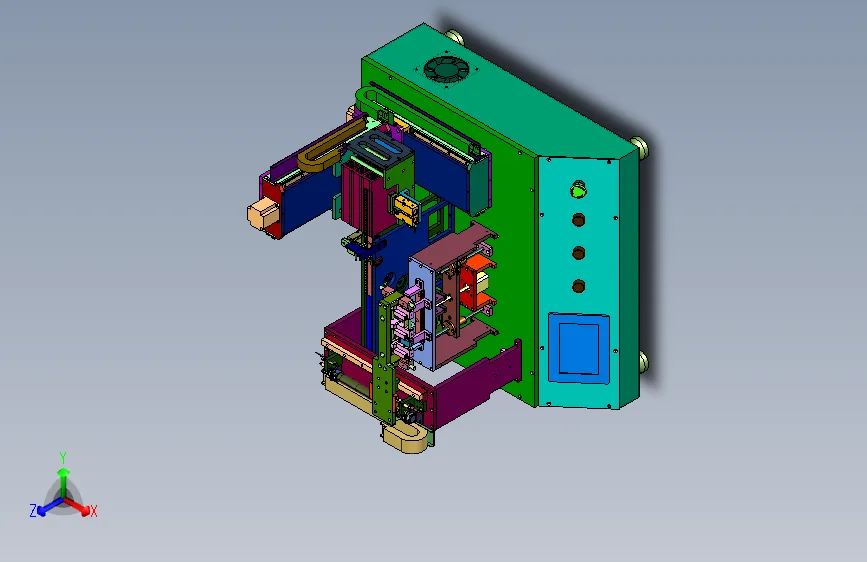
What it does
Separates stacked thin sheets one at a time and delivers them to the specified mounting position, controlling double sheets and deformation.
How it works
Taking air separation as an example, a screw-driven lift table raises the top sheet to pick height, a nozzle holds the top sheet, and air blown around it separates the sheet below; after transfer the vacuum is released with a measured blow-off to place the sheet. Insertion also needs a guide surface and support at the target; the nozzle must not force it in.
Process sequence
- Refill to the datum
- Lift and locate
- Pick and separate with air
- Confirm a single sheet
- Move to the mounting position
- Release or guide in
Key inputs
- Sheet thickness, stiffness and surface
- Suction area, static and degree of sticking
- Single-sheet check, insertion clearance and support
Common problems
- Double sheets fed
- Sheet wrinkles or nozzle marks
- Incomplete release and scratching on insertion
Limits of application
- Suction placement and gripper insertion apply force differently
- Porous, air-permeable or film-covered sheets need other picking and separation methods
Functional modules
Sheet magazine
Holds the stack and top height
Air separation
Breaks adhesion between sheets
Suction transfer
Keeps sheet attitude
Insertion guide
Supports and guides to the target position
Manufacturer & technical sources
Continue with manufacturer product pages, operating principles and technical information for this equipment type.