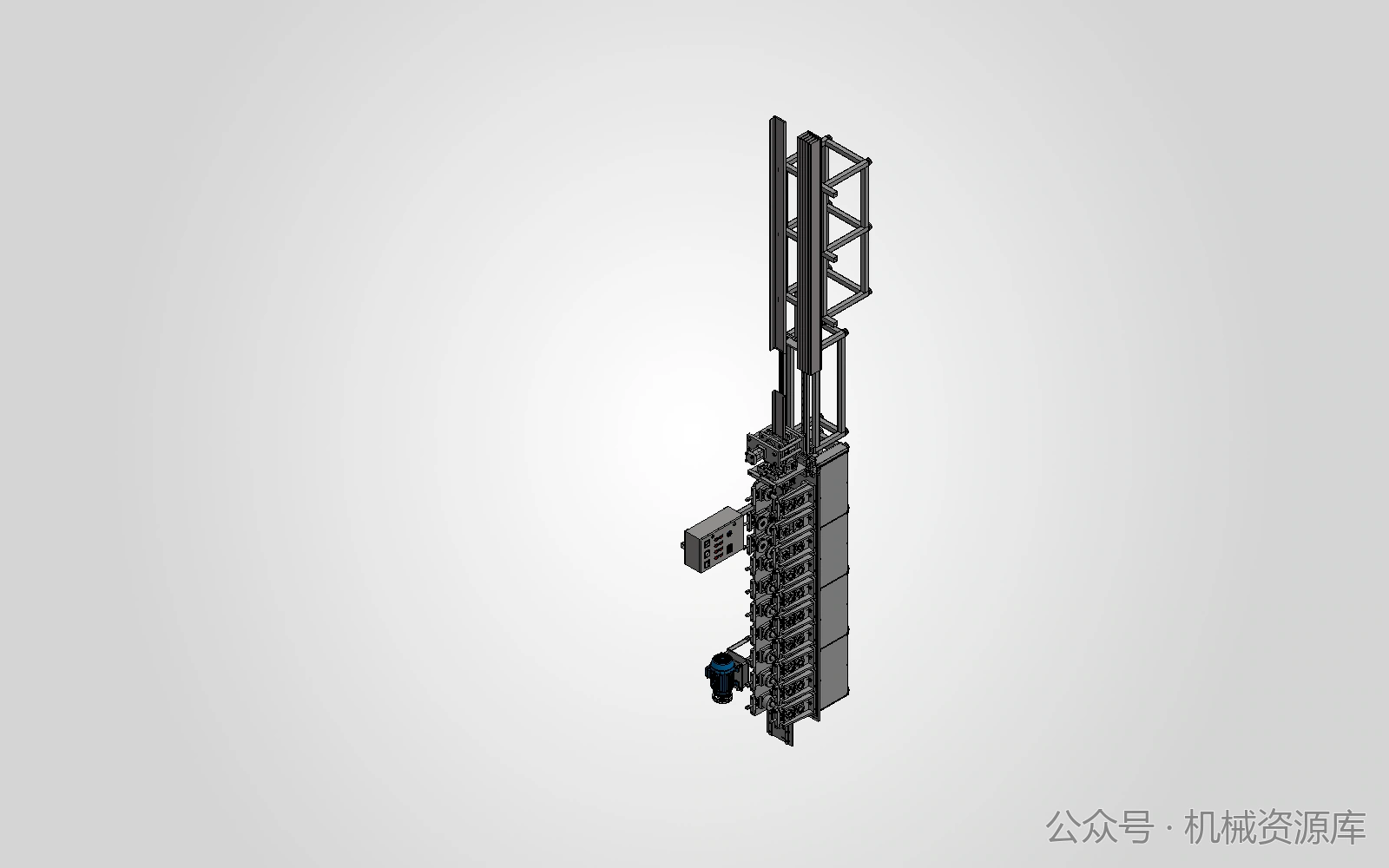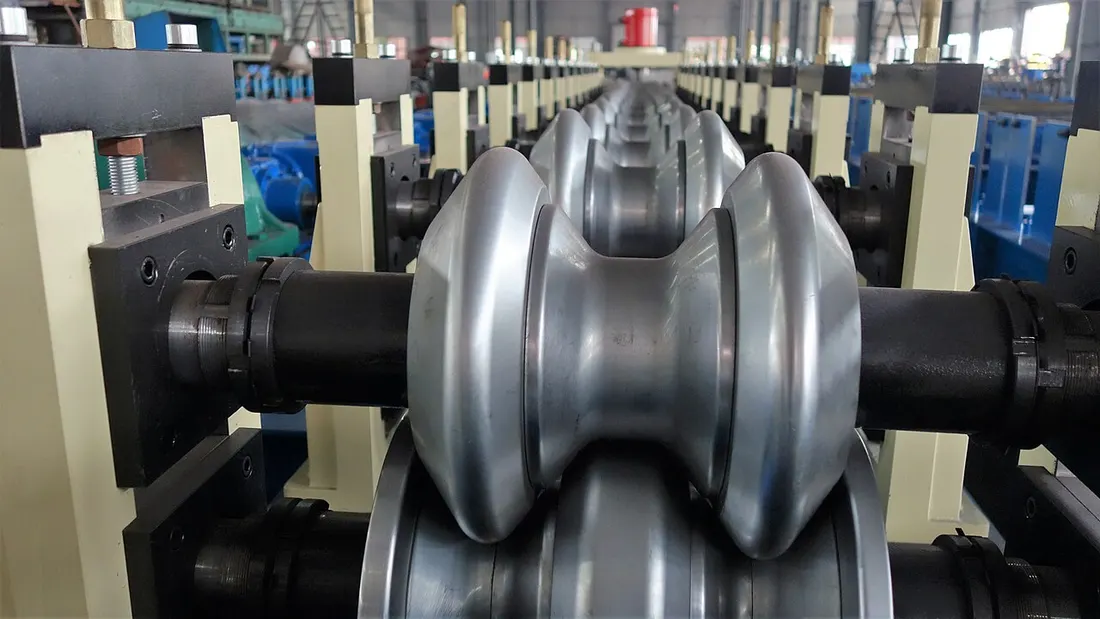

What it does
Bends continuous strip station by station into long profiles with the target cross-section.
How it works
Strip passes through many forming rolls with different contours, each stand making part of the section change so later stands approach the final shape. The roll flower and number of passes are designed around material, springback and contact; the line may include uncoiling, punching and cut-off, positioned according to the product.
Process sequence
- Confirm coil and target section
- Thread and set the entry
- Bend progressively stand by stand
- Punch or add features as configured
- Cut to length
- Check section, straightness and surface
Key inputs
- Material width, thickness and strength
- Section flat width and passes
- Length tolerance and hole positions
- Surface protection and cut-off method
Common problems
- Too much change per pass causing edge wave or distortion
- Misaligned stands causing twist
- Material and springback variation affecting the section
- Cut-off out of sync with feed affecting length
Limits of application
- Roll forming builds the section along the length, unlike section benders that curve an existing profile
- Welded closed tube needs separate welding and sizing
- Not every product suits the same roll set
Functional modules
Entry and guiding
Organize strip entry
Roll stands and drive
Form the section stage by stage
Auxiliary punching or cutting
Make holes and lengths as configured
Straightening, outfeed and control
Link to product output
Manufacturer & technical sources
Continue with manufacturer product pages, operating principles and technical information for this equipment type.