
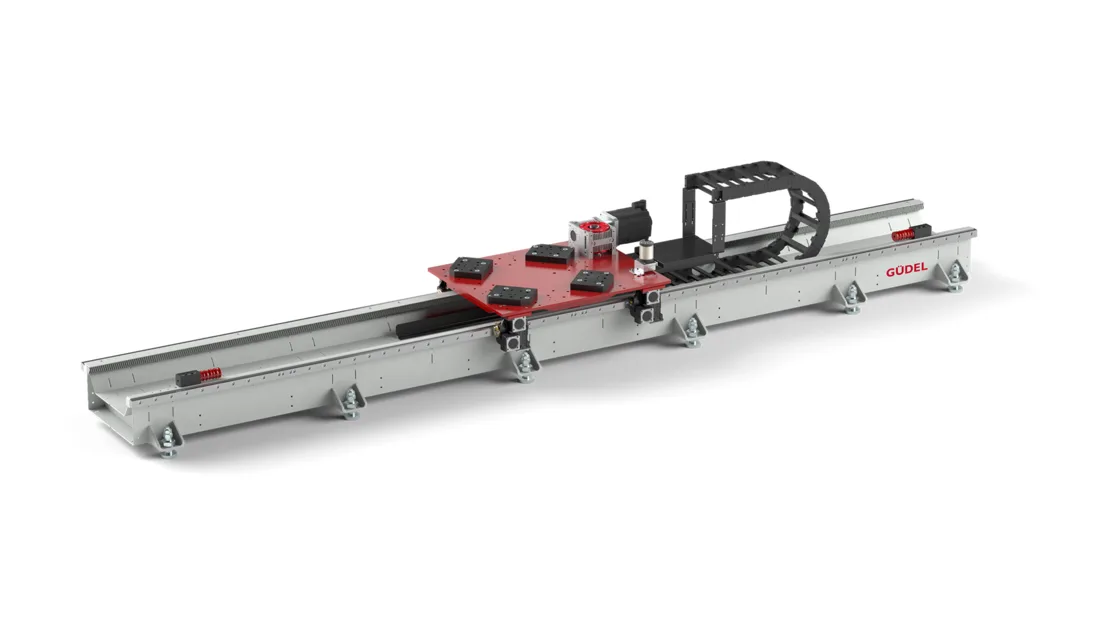
What it does
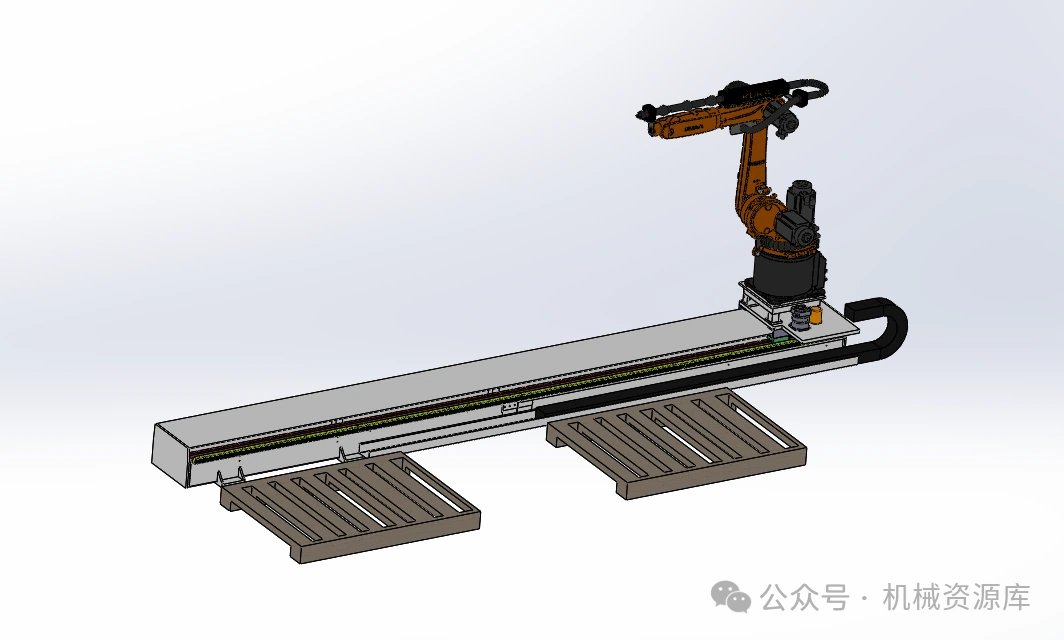
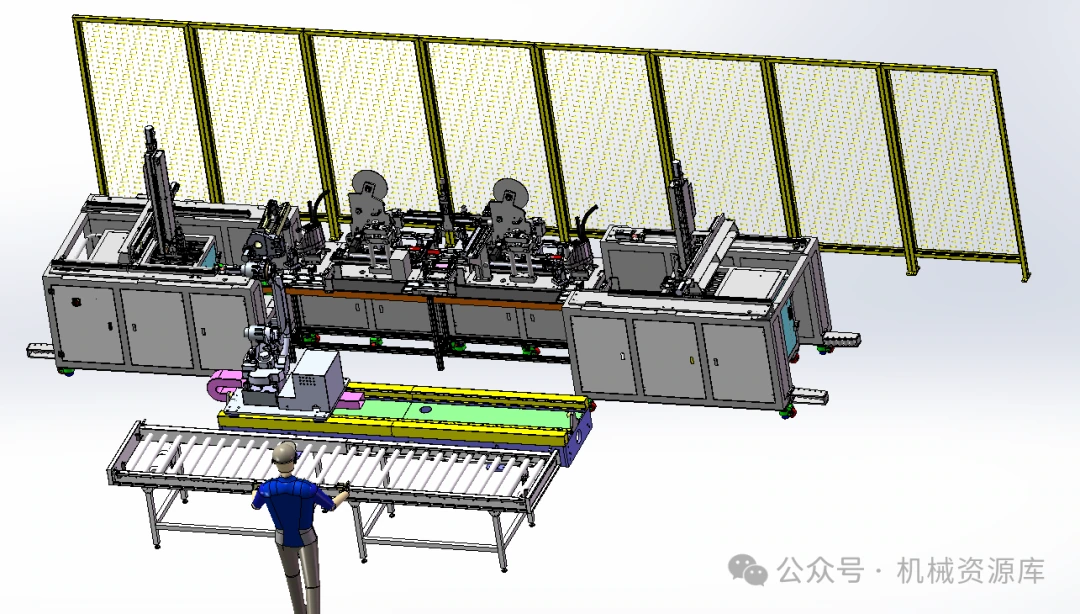
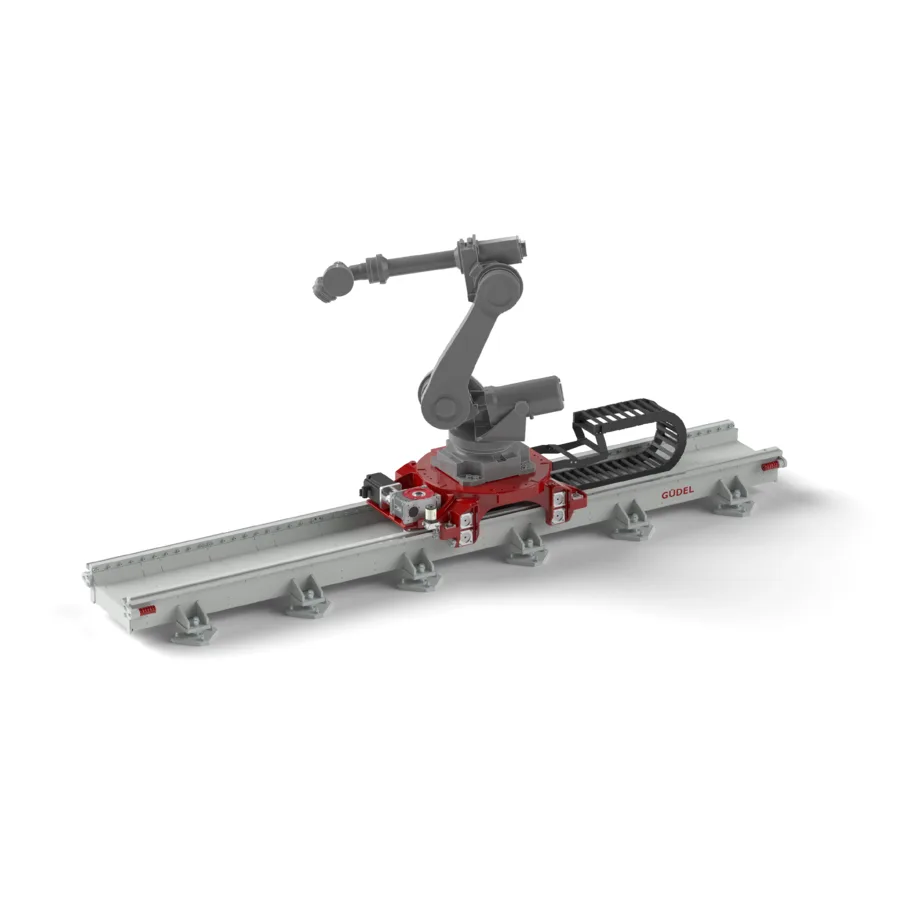
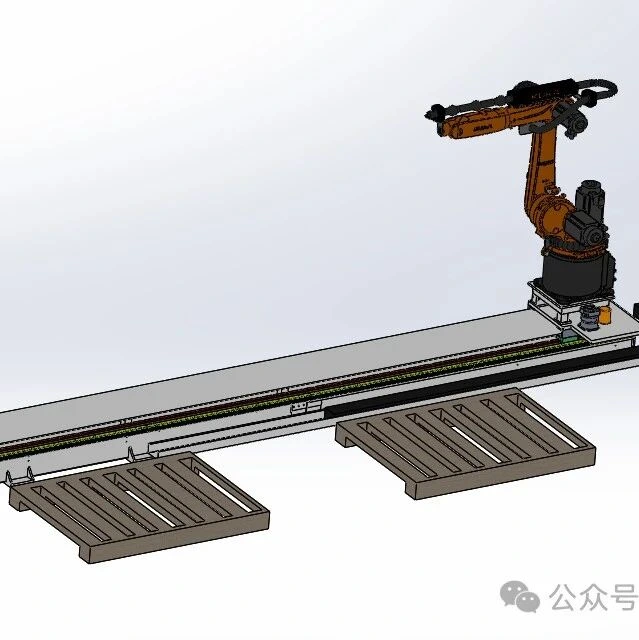
Moves the robot base along a seventh axis or floor track so it can serve a larger working range along the line.
How it works
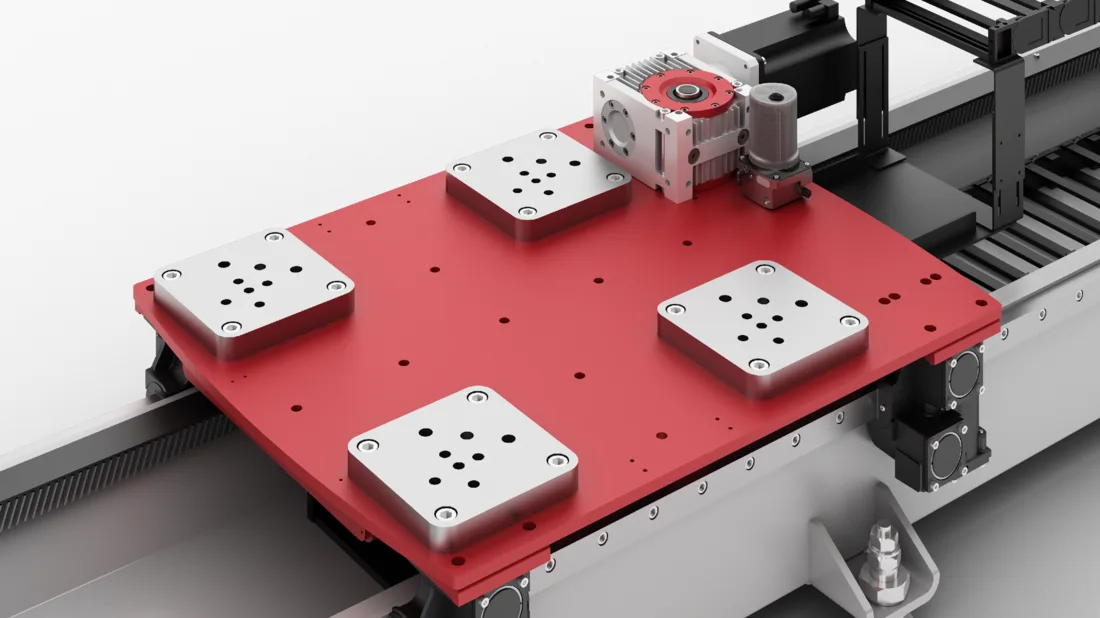
The robot is mounted on a guided carriage driven along the track, and the controller links the external axis to robot coordinates and motion model. Rack and pinion is a common drive for long-travel tracks, and carriage, track, cable chain and mounting datum all affect operation.
Process sequence
- Confirm datum and safety zone
- Position the external axis or move it in coordination
- Robot performs the process
- Travel to the next work zone
- Confirm arrival and continue
- Return to the set position
Key inputs
- Robot and tooling payload
- Track length and foundation
- Transmission and lubrication
- Coordinated control, cabling and guarded area
Common problems
- Track joints and foundation deformation affecting accuracy
- Contaminated rack or guides or poor lubrication
- Cable chain interference
- External axis calibration errors causing path deviation
Limits of application
- A track moves the robot while a positioner moves the part; they serve different roles
- Coordinated and independent axis capability depends on the controller
- Added travel must also be included in the cell's guarding
Functional modules
Track and foundation
Set the motion datum
Carriage and linear guides
Carry the robot
Motor and transmission
Drive travel along the track
Control, calibration and cable chain
Link the external axis and protect cables
Manufacturer & technical sources
Continue with manufacturer product pages, operating principles and technical information for this equipment type.