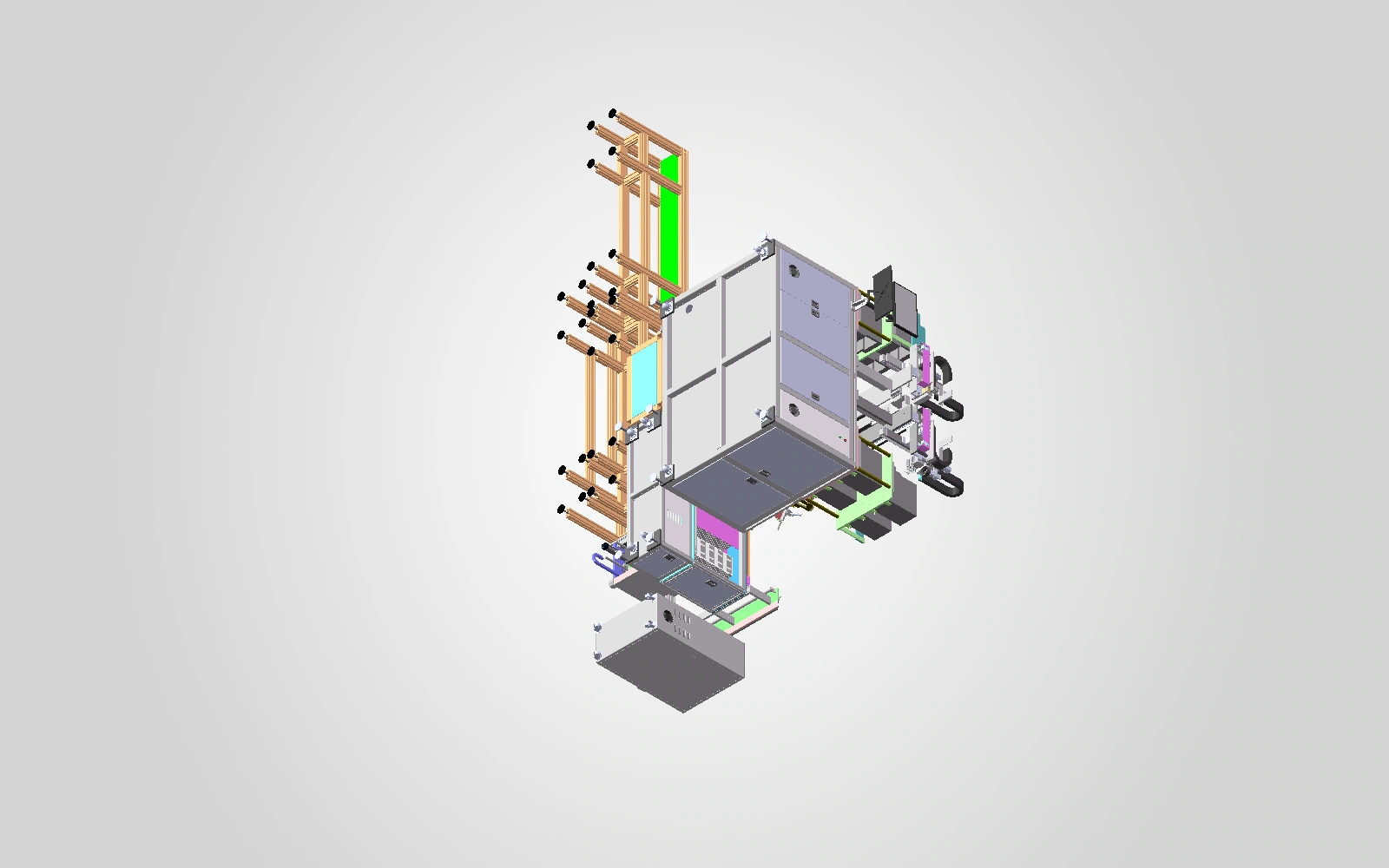

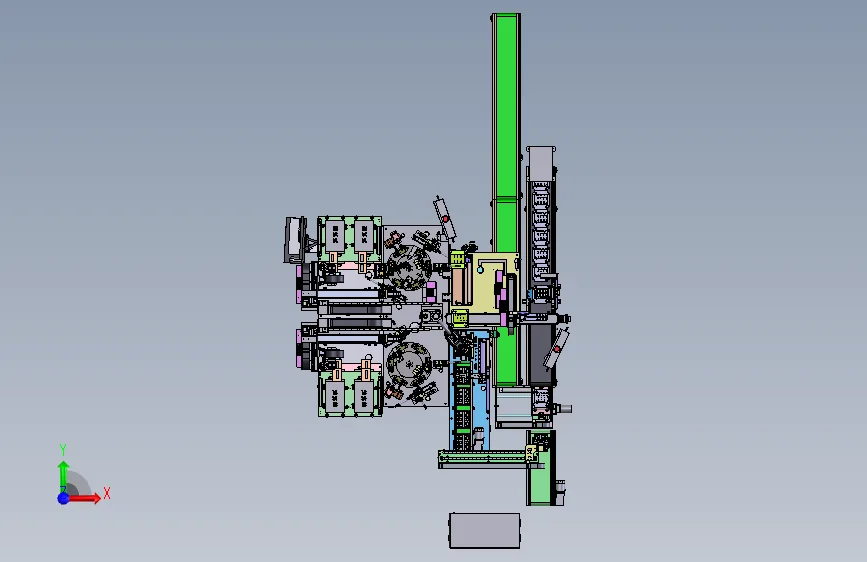
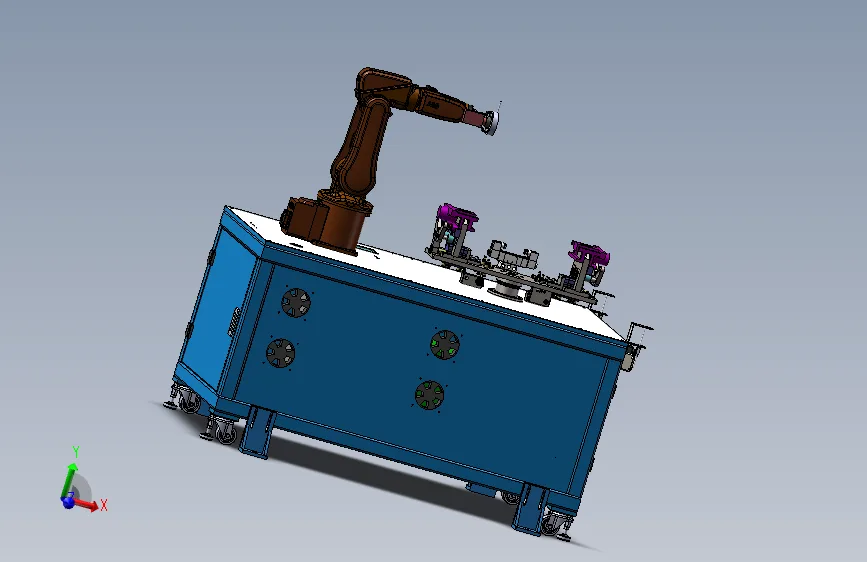
What it does
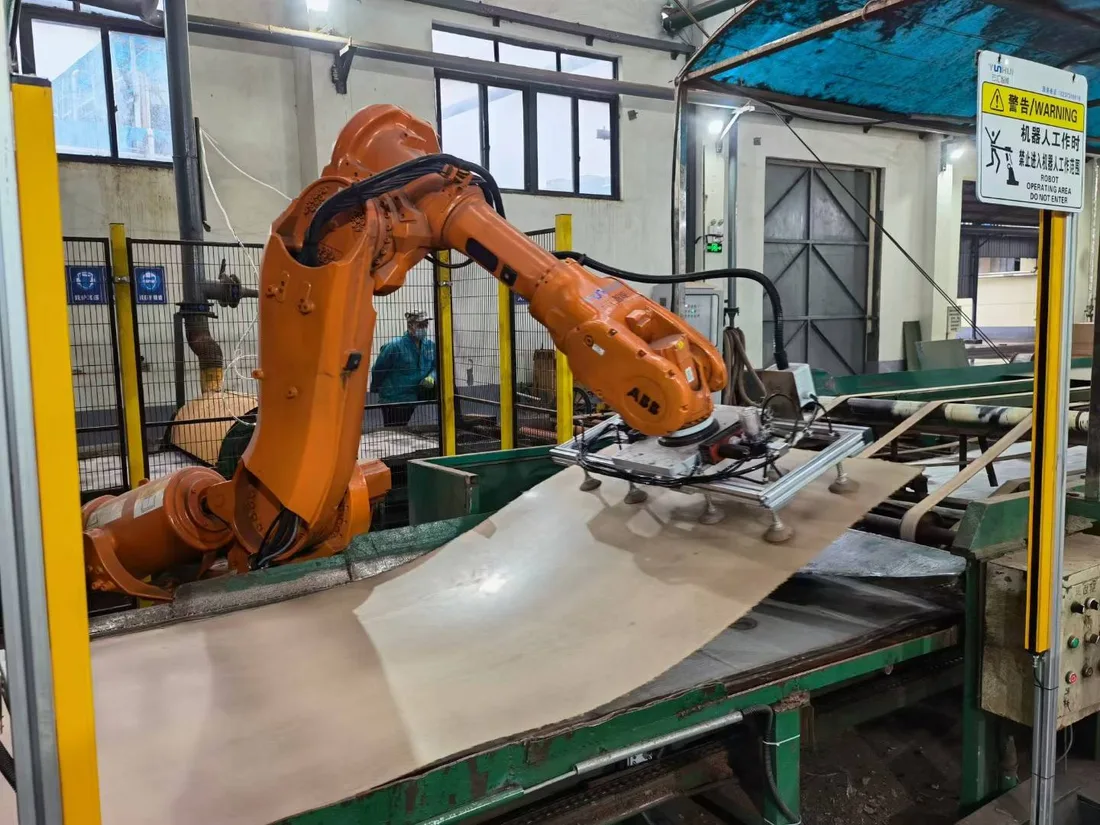
Uses a robot to bring parts to a stable inspection position and then returns, sorts or passes them on according to the result.
How it works
Vision guidance converts target positions in the image to robot coordinates, and the end-of-arm gripper picks the part and presents the face to be checked to a fixed camera or gauge. Inspection and picking use their own calibration datums, and after measuring the part is diverted by identity and result, so the picking camera is not mistaken for a full inspection instrument.
Process sequence
- Recognize the part
- Plan and pick
- Bring to the inspection datum
- Measure once settled
- Receive and link the result
- Sort and place
Key inputs
- Part geometry and grippable areas
- Camera, robot and inspection coordinate calibration
- Inspection items, gripping distortion and result communication
Common problems
- Hand-eye calibration error
- Grip covering the face to be inspected
- Measuring before motion settles or results arriving late
Limits of application
- Pick recognition, visual inspection and dimensional measurement have different accuracy requirements
- Robot repeatability cannot be taken directly as the measurement uncertainty of the whole cell
Functional modules
Picking vision
Recognizes part pose
Robot gripper
Holds grip and presentation attitude
Independent inspection station
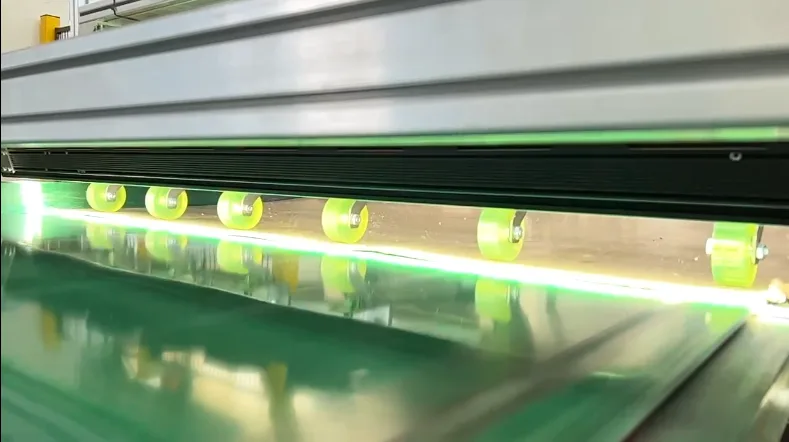
Provides stable lighting or gauges
Result diverting
Links identity and destination
Manufacturer & technical sources
Continue with manufacturer product pages, operating principles and technical information for this equipment type.