
EQUIPMENT / PRINCIPLE / DESIGN

Resistance seam welder

Moves rolling electrodes continuously along the joint to form a row of nuggets or a continuous seam.

Equipment principle & structureRequest design help ↗
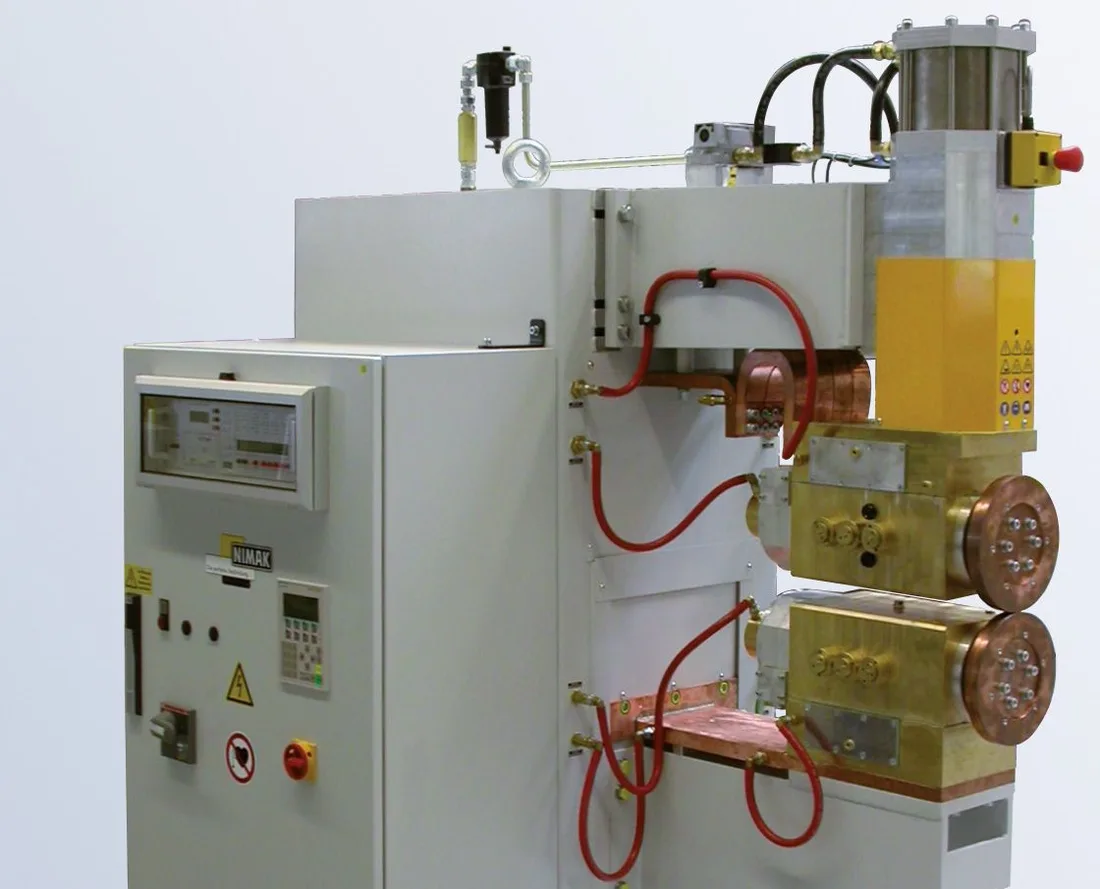
Resistance roller seam welder with its pair of copper wheel electrodes
Resistance roller seam welder with its pair of copper wheel electrodes · Source: NIMAK website ↗ · © the manufacturer, quoted for reference · Blank left background cropped, resized proportionally and converted to WebP
Resistance seam welder · original schematic, not to scale; shows the working principle and modules
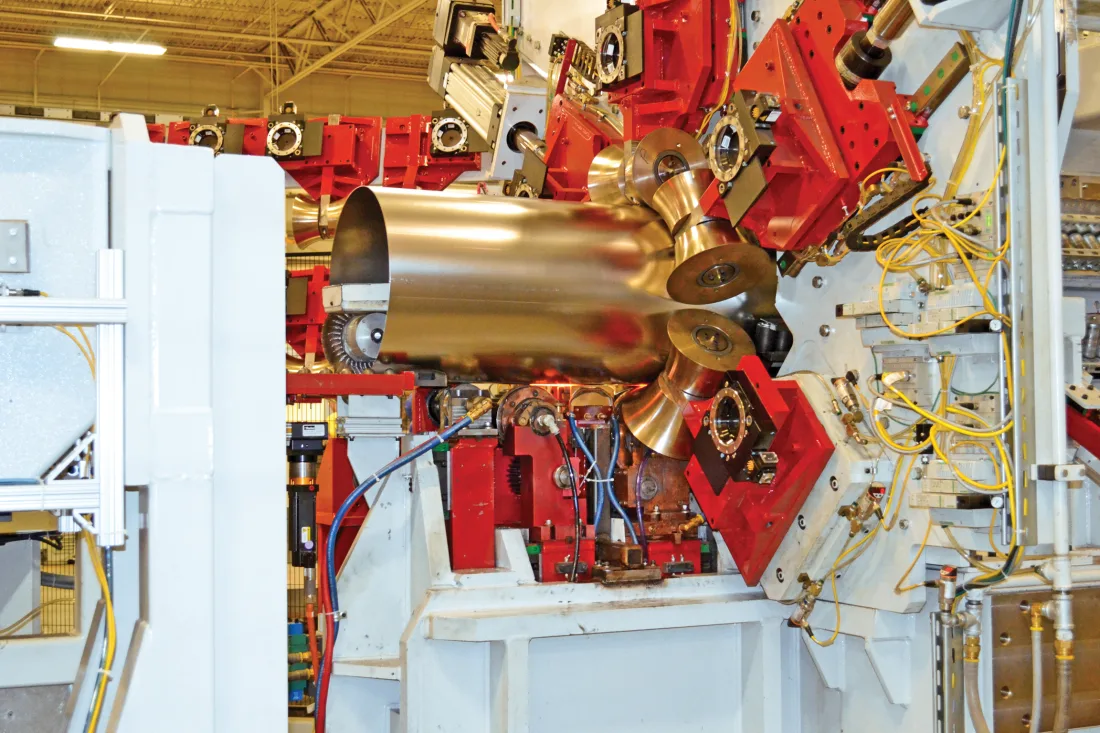
Taylor-Winfield seam welding area with a cylindrical workpiece and copper electrodes
Taylor-Winfield seam welding area with a cylindrical workpiece and copper electrodes · Source: Taylor-Winfield website ↗ · © the manufacturer, quoted for reference · Resized proportionally and converted to WebP
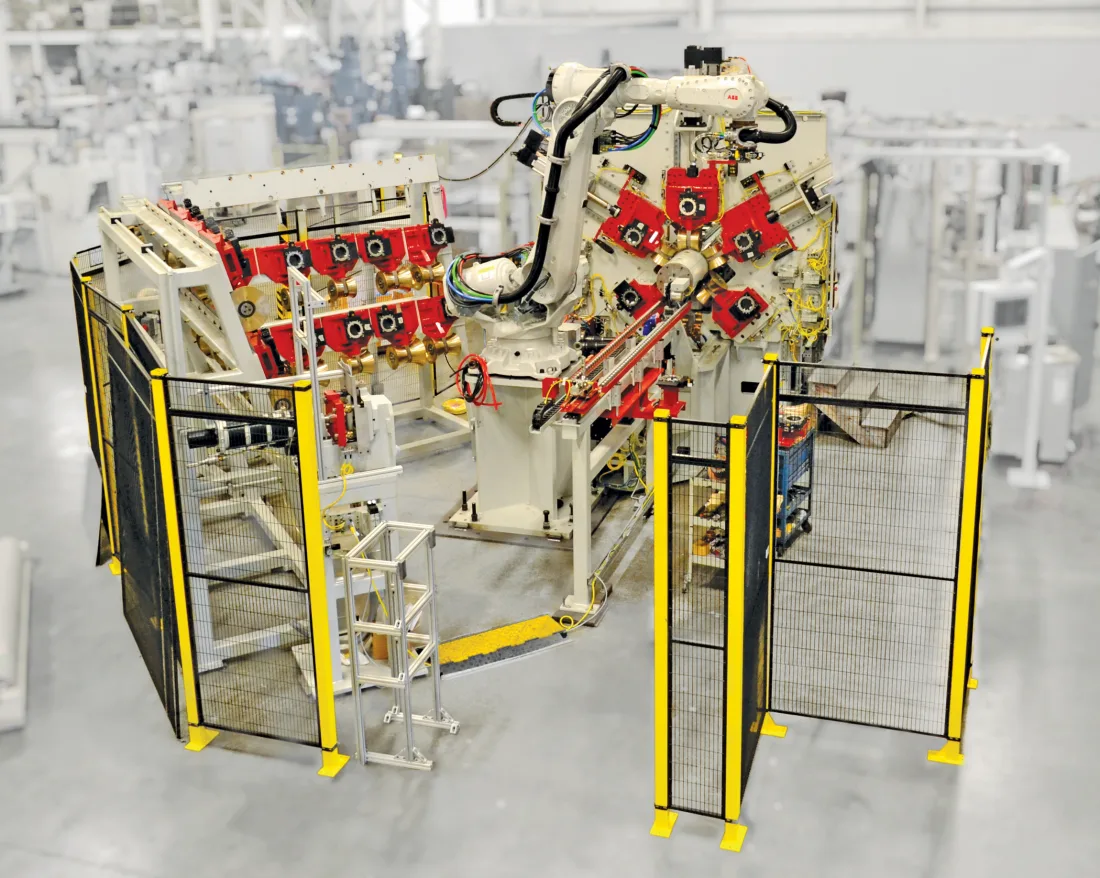
Taylor-Winfield resistance seam-welding station with surrounding guarding
Taylor-Winfield resistance seam-welding station with surrounding guarding · Source: Taylor-Winfield website ↗ · © the manufacturer, quoted for reference · Resized proportionally and converted to WebP

What it does

Moves rolling electrodes continuously along the joint to form a row of nuggets or a continuous seam.

How it works

Disc electrodes clamp and roll along the seam, forming nuggets where current pulses pass; the timing of current, travel and cooling decides whether nuggets touch or overlap. The heat source is resistance heating, not an arc travelling along the seam.

Process sequence

  1. Prepare the overlap and guides
  2. Clamp with electrode wheels
  3. Start feed and current
  4. Form a row of nuggets along the joint
  5. Stop and cool
  6. Check the seam and any required tightness

Key inputs

  1. Material and overlap width
  2. Wheel contact and force
  3. Travel speed matched to current
  4. Cooling and seam acceptance

Common problems

  1. Guide deviation moving the joint off the electrodes
  2. Wheel wear changing contact
  3. Heat build-up and pulse pattern affecting nugget overlap
  4. Surface contamination affecting stability

Limits of application

  1. A continuous appearance does not mean verified tightness
  2. Titanium, steel and other materials need different shielding and cooling, so one parameter set cannot be copied

Functional modules

Electrode wheels and force

Keep rolling contact

Welding power source

Outputs current matched to travel

Feed and guiding

Keep the seam path

Cooling system

Manages heat in electrodes and work

Manufacturer & technical sources

Continue with manufacturer product pages, operating principles and technical information for this equipment type.

ONLY ON MECHWIKI / AGGREGATED

Aggregated references: models, makers, patents & videos

References scattered across model articles, vendor sites and patent databases, gathered under this machine. Checked items are listed; the rest are offered as ready-to-open searches.

Patents: how others built it

Patents are useful for drawings and mechanism ideas. None has been vetted for this entry yet, so here are searches pre-filled with the machine name.

Videos: see it run

No licensed video is hosted for this machine yet; these searches are pre-filled with its name.

3D MODELS

3D models and download information

Explore structure and assembly with models. Download methods, file formats and terms are provided by the original article or mini program.

Find more in the model library →