
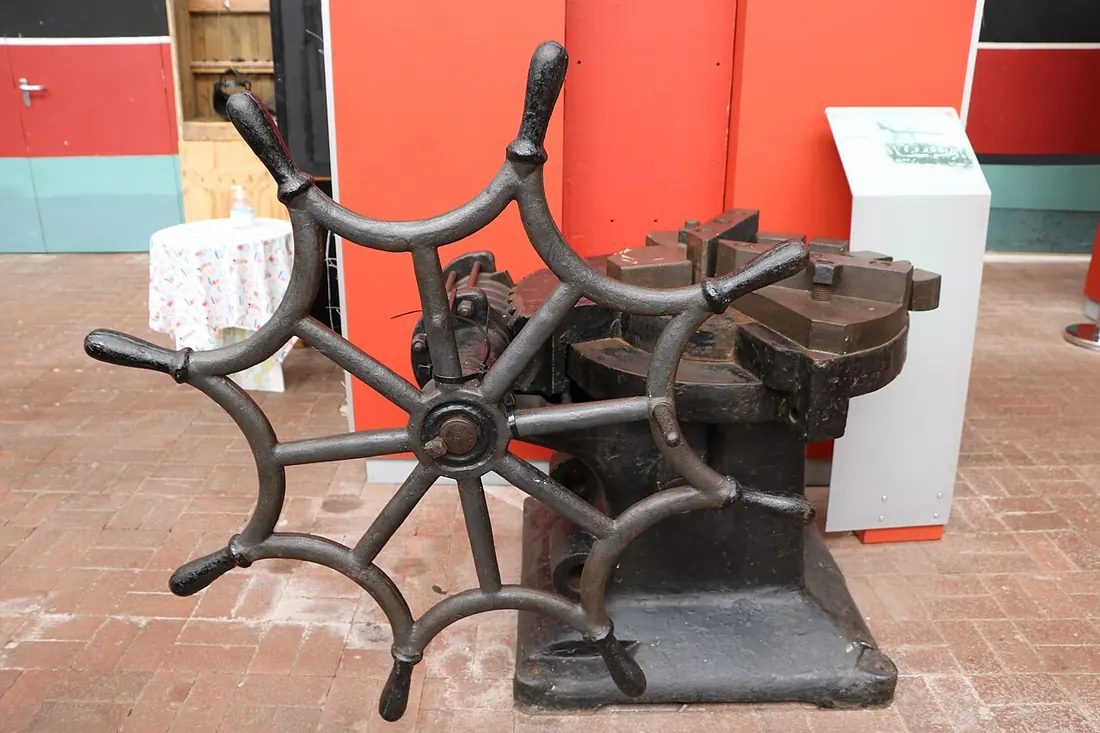

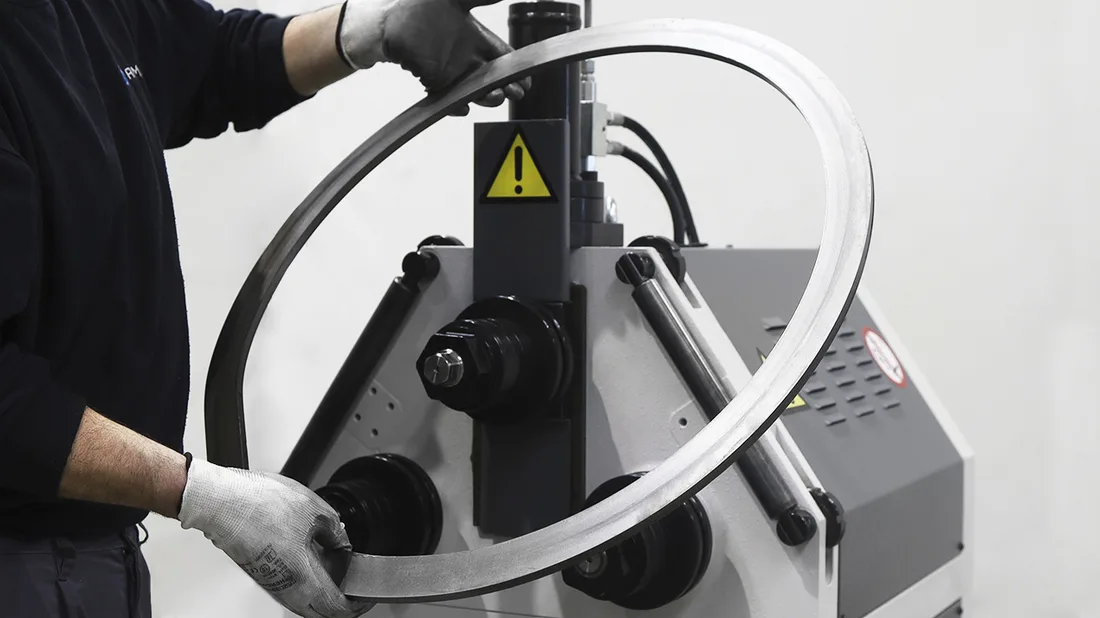
What it does
Rolls sections continuously through forming rolls into large-radius arcs, rings or suitable space curves.
How it works
Taking a three-roll machine as an example, driven rolls feed the section and adjusting the forming roll position produces bending; guide rolls and tooling matched to the section limit side drift and twist. Hollows, open side direction and bending axis affect deformation, so capacity cannot be set by motor power or section size alone.
Process sequence
- Prepare section tooling
- Locate and feed in the section
- Set roll positions and support
- Roll under control
- Make repeated passes to true as needed
- Unload and check curvature and section
Key inputs
- Section shape and bending direction
- Material and wall thickness
- Target radius and straight ends
- Tooling match and lateral support
Common problems
- Open sections twisting
- Thin-wall sections collapsing
- Springback causing curvature error
- Feed slip or long straight ends
Limits of application
- Section bending differs from roll forming, which folds strip into a section station by station
- Special sections may need dedicated tooling
- Horizontal or vertical layout is chosen by part support
Functional modules
Drive and forming rolls
Feed and bend
Roll position adjustment
Controls curvature
Section tooling and guides
Support the profile and limit twist
Frame and program
Take loads and repeat paths
Manufacturer & technical sources
Continue with manufacturer product pages, operating principles and technical information for this equipment type.