
EQUIPMENT / PRINCIPLE / DESIGN

Pouch cell tab cut & test

Trims pouch cell tabs to the specified length and links to dimensional or electrical checks as the product requires.

Equipment principle & structureRequest design help ↗
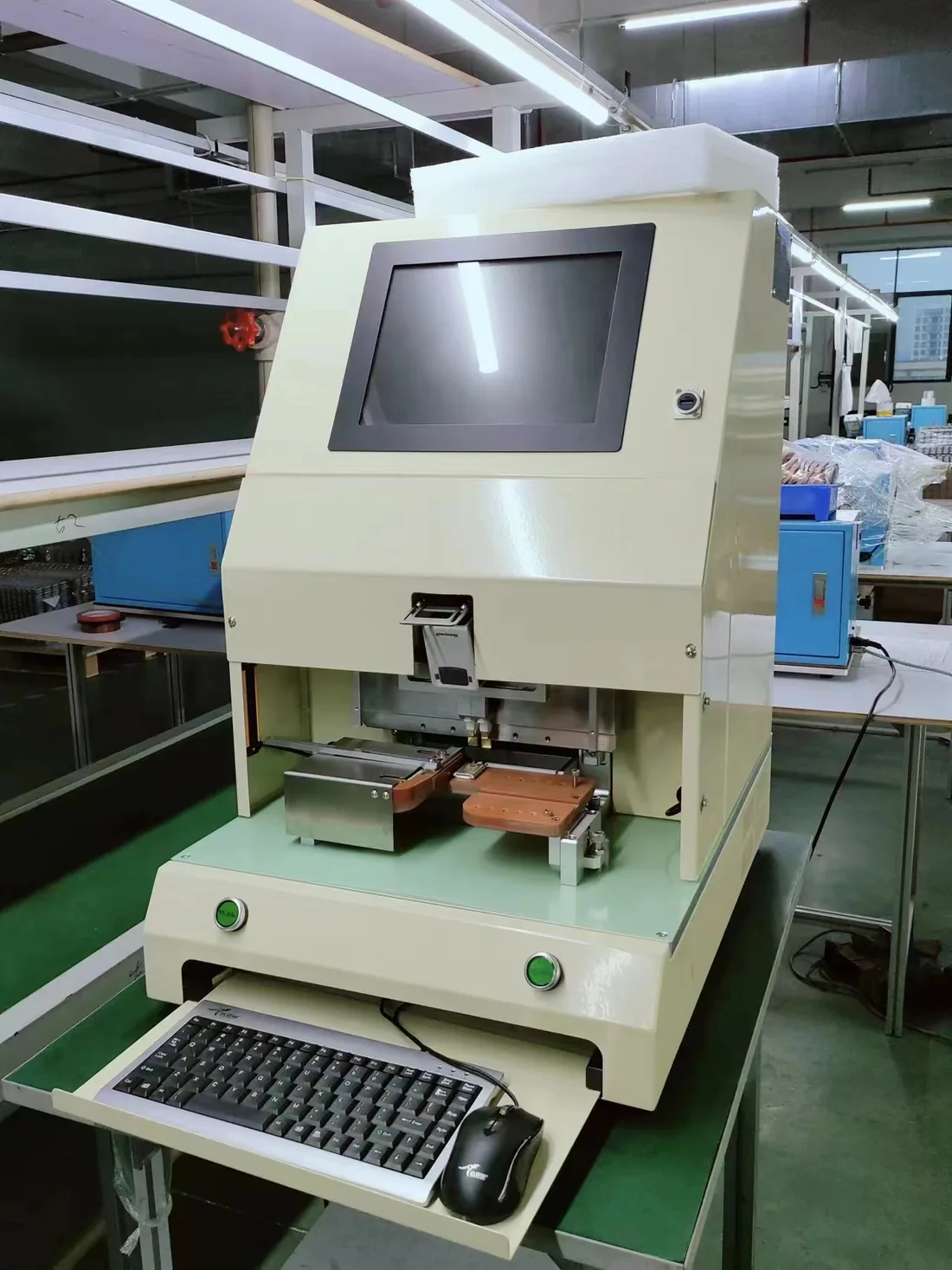
Tab trimming and test machine: cutter above a shaped locating nest
Tab trimming and test machine: cutter above a shaped locating nest · Source: Sunfun Intelligent Equipment website ↗ · © the manufacturer, quoted for reference · Resized proportionally and converted to WebP
Pouch cell tab cut & test · original schematic, not to scale; shows the working principle and modules
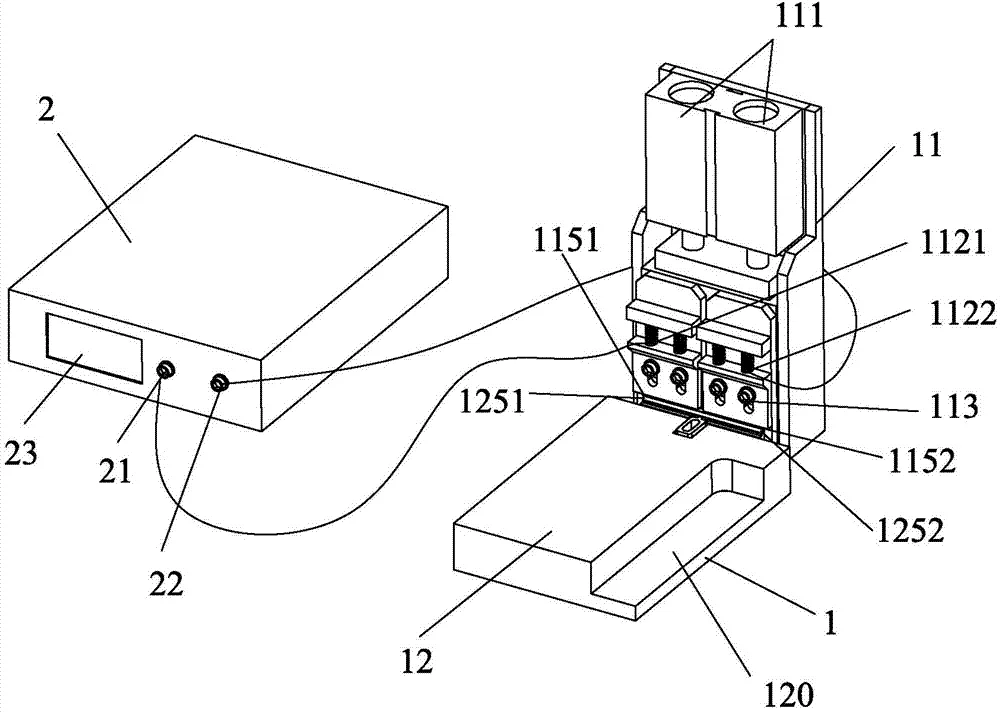
Tab shaping, cutting and voltage/IR test unit (patent): control box, cutter, probes
Tab shaping, cutting and voltage/IR test unit (patent): control box, cutter, probes · Application No. 201420416844 · Original patent drawing · Resized proportionally with the original mark retained
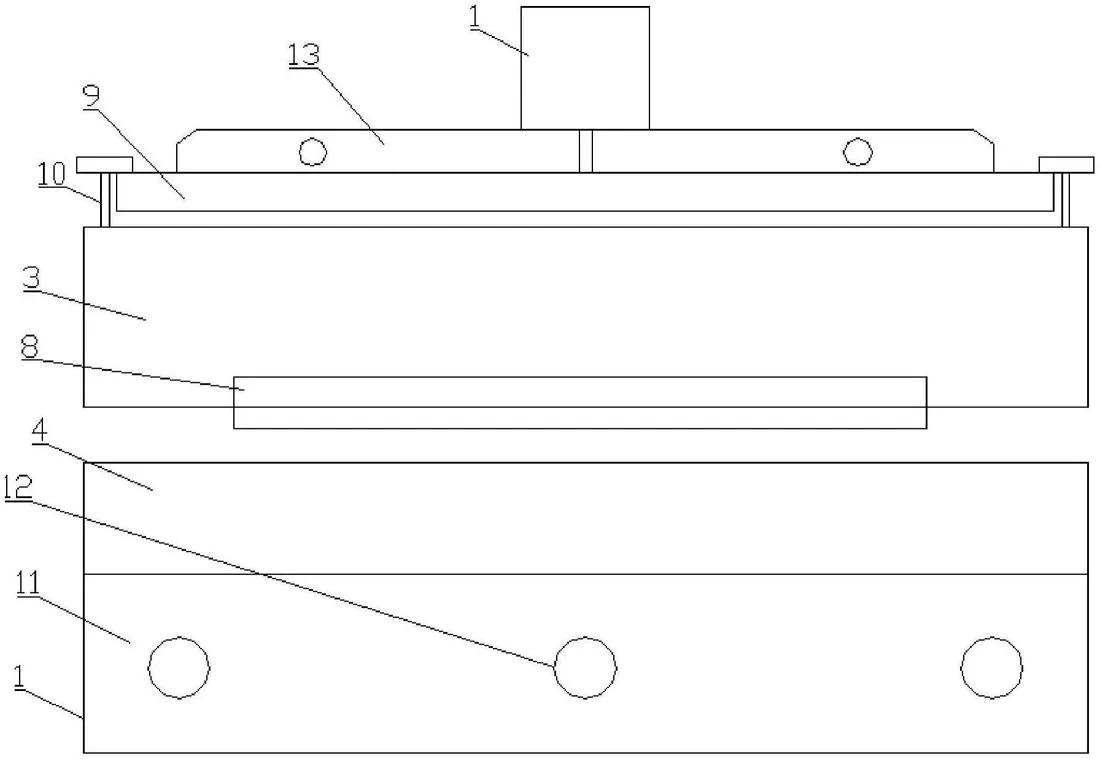
Pouch cell tab cutter (patent): machine outline and cutting mechanism layout
Pouch cell tab cutter (patent): machine outline and cutting mechanism layout · Application No. 202223179010 · Original patent drawing · Resized proportionally with the original mark retained

What it does

Trims pouch cell tabs to the specified length and links to dimensional or electrical checks as the product requires.

How it works

The cell and tabs are first located on insulating supports, cutters are adjusted relative to the datum and shear off the excess, and positive and negative tabs can have their own blade positions for different lengths. Metal scrap is removed after cutting; where edge voltage is checked, separate controlled contacts touch the tab and specified seal aluminium layer, and cut length cannot stand in for an electrical judgment.

Process sequence

  1. Confirm polarity and drawing
  2. Locate and support tabs
  3. Adjust and cut
  4. Collect scrap
  5. Check size and burrs and contact-test
  6. Judge and divert

Key inputs

  1. Positive and negative tab material, length and weld reserve area
  2. Blade position, clearance, wear and debris
  3. Test items, contact positions and product criteria

Common problems

  1. Cut lengths mixed up or tabs bent
  2. Burrs and debris creating short-circuit risk
  3. Poor probe contact, bad seal contact or test types mixed up

Limits of application

  1. Tab trimming, cell open-circuit voltage, internal resistance and seal edge voltage are different checks
  2. Whether a given machine includes a check must be confirmed from its configuration

Functional modules

Cell and tab locating

Holds length and seal datums

Adjustable cutters

Cut each tab separately

Scrap isolation

Removes conductive debris

Test contact

Builds independent measuring circuits by check type

Manufacturer & technical sources

Continue with manufacturer product pages, operating principles and technical information for this equipment type.
ONLY ON MECHWIKI / AGGREGATED

Aggregated references: models, makers, patents & videos

References scattered across model articles, vendor sites and patent databases, gathered under this machine. Checked items are listed; the rest are offered as ready-to-open searches.

Equipment and core-unit manufacturers1

Manufacturer references for whole machines, subsystems and related processes; each item states its scope.

  • Xiamen TMAX

    TMAX-D45 pouch cell tab cutting equipment · Key subsystem

    The reference covers tab cutting. Electrical performance testing and the precision cutting and locating arrangement of the original machine require separate evidence.

    Manufacturer reference

Patents: how others built it

Patents are useful for drawings and mechanism ideas. None has been vetted for this entry yet, so here are searches pre-filled with the machine name.

Videos: see it run

No licensed video is hosted for this machine yet; these searches are pre-filled with its name.

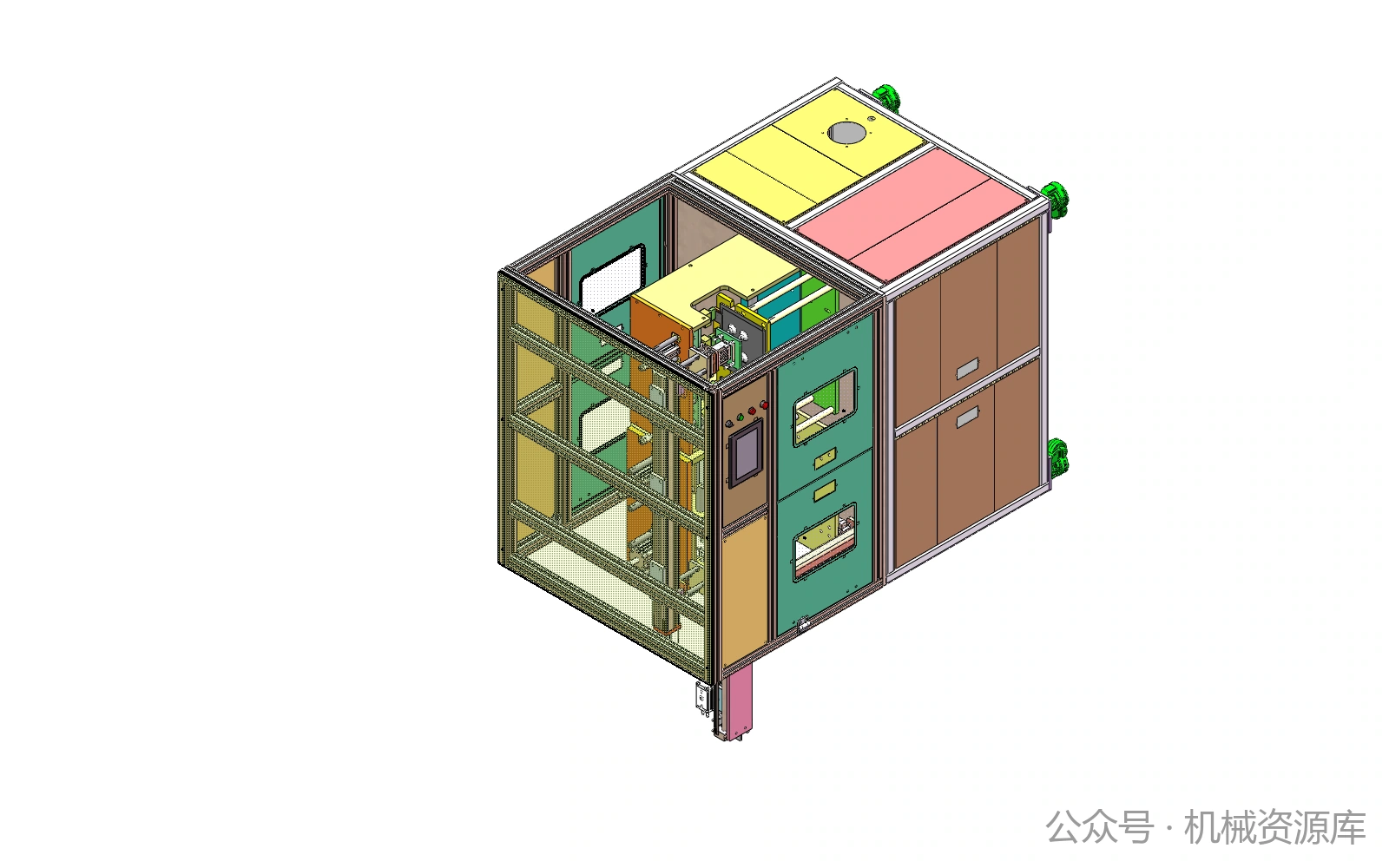
3D MODELS

3D models and download information

Explore structure and assembly with models. Download methods, file formats and terms are provided by the original article or mini program.

Find more in the model library →