
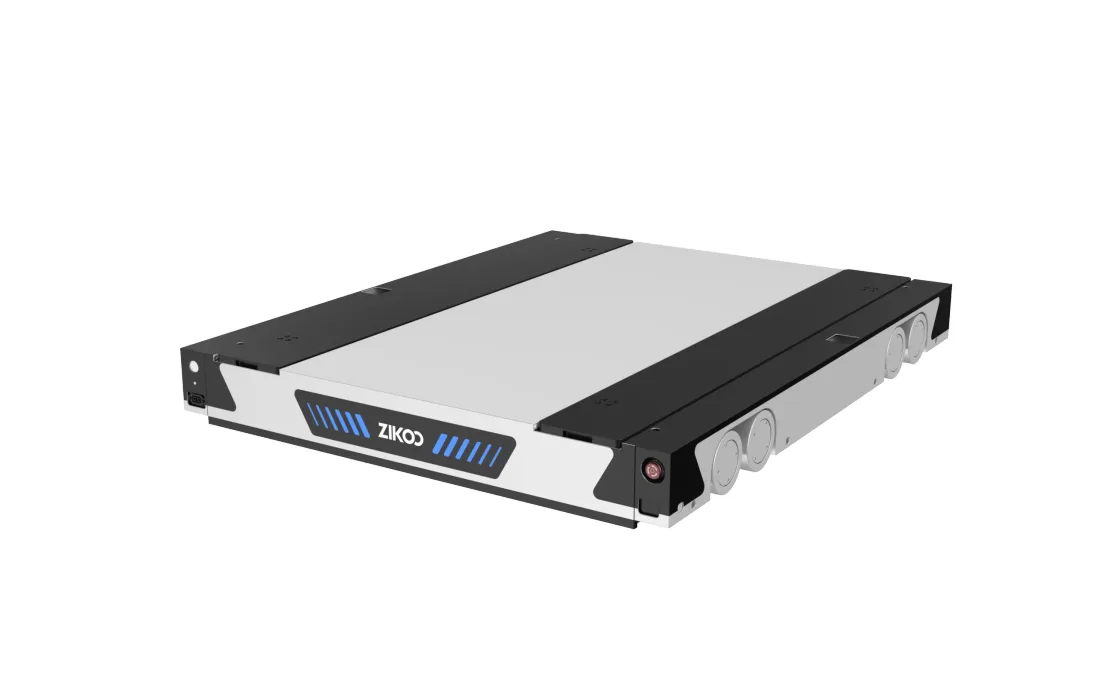

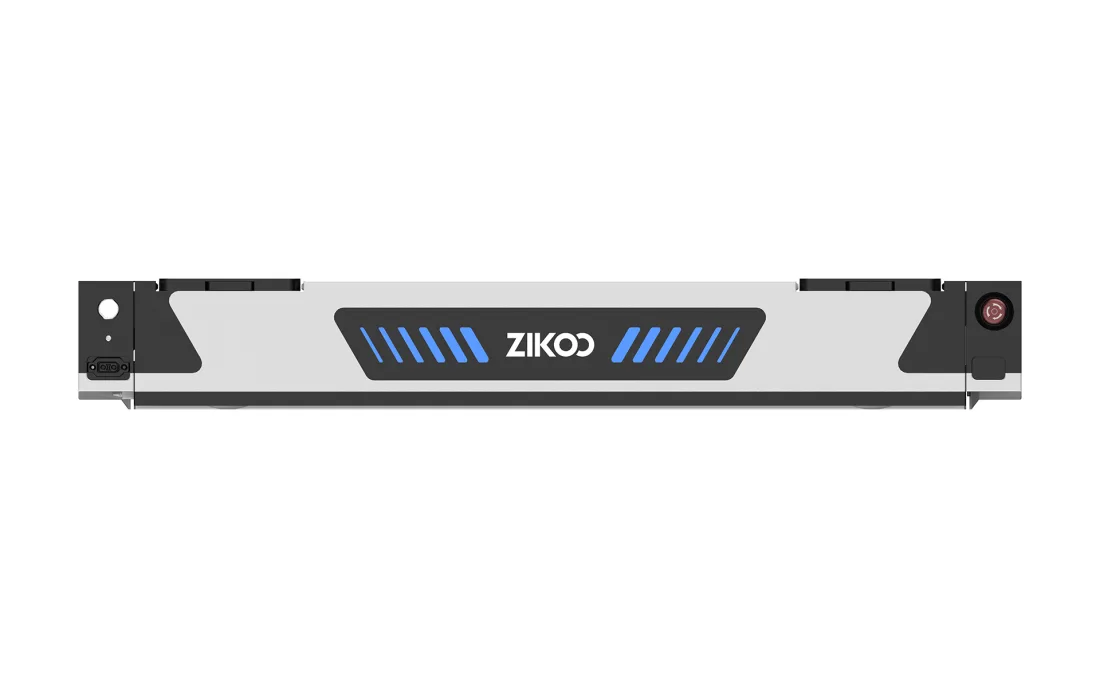
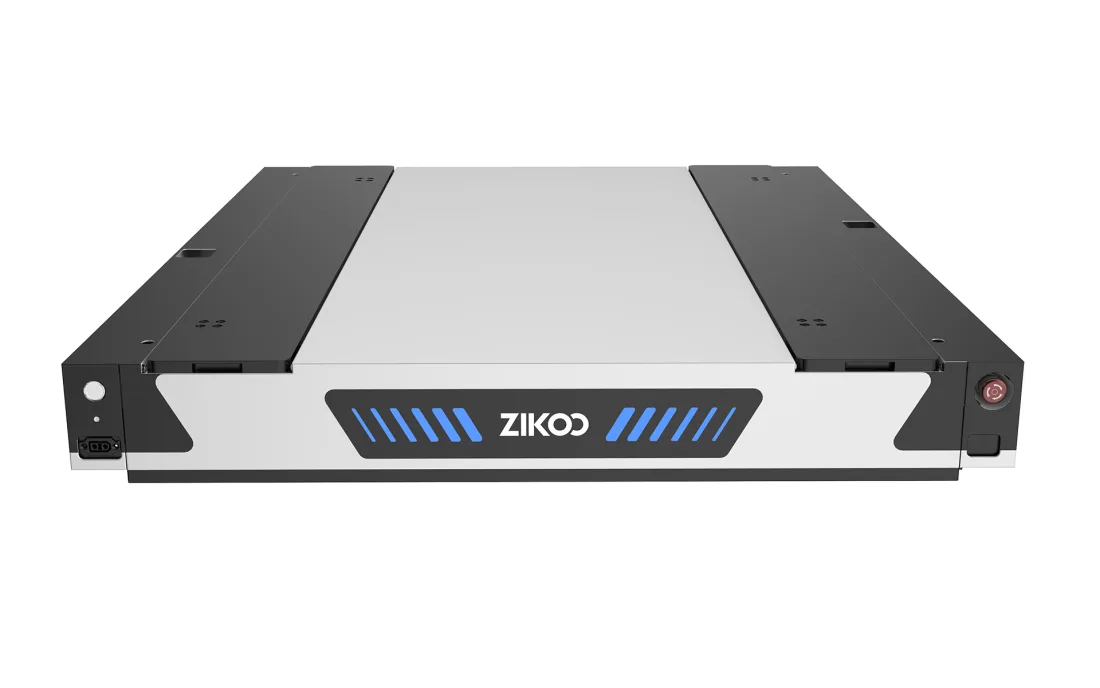
What it does
Travels along aisles and storage channels on rack rails to put away or retrieve pallets.
How it works
The shuttle runs on rails with travel and guide wheels for each direction, its lift deck raises the pallet slightly off the storage supports, carries it to the target position and lowers it. Level changes rely on lifts, the management system assigns locations and routes, and multiple shuttles need coordination at crossings and shared resources.
Process sequence
- Check pallet outline and bottom boards
- Assign location and route
- Shuttle picks up the pallet
- Change level by lift where needed
- Travel along the aisle into the storage channel
- Lower, set down and leave
Key inputs
- Pallet bottom boards and overhanging goods
- Rack rails and level stations
- Unit load and lift stroke
- Multi-shuttle scheduling, charging and throughput
Common problems
- Deformed pallets affecting support
- Wheel, rail or direction-change positions not matching
- Wrong lift or set-down state
- Lifts and crossings becoming scheduling bottlenecks
Limits of application
- Four-way shuttles can change aisles on the same level, unlike single-channel semi-automatic shuttles that need a forklift to change lanes
- Level changes depend on lifts
- System throughput cannot be estimated by multiplying single shuttle speed
Functional modules
Two-direction travel and guidance
Move along aisles and channels
Lift deck
Raises and lowers pallets
Rack rails and lifts
Support and connect levels
Sensing, scheduling and power
Position, avoid conflicts and recharge
Manufacturer & technical sources
Continue with manufacturer product pages, operating principles and technical information for this equipment type.