

What it does
Provides the specified drying or curing environment for painted parts so the coating reaches a handleable, serviceable state.
How it works
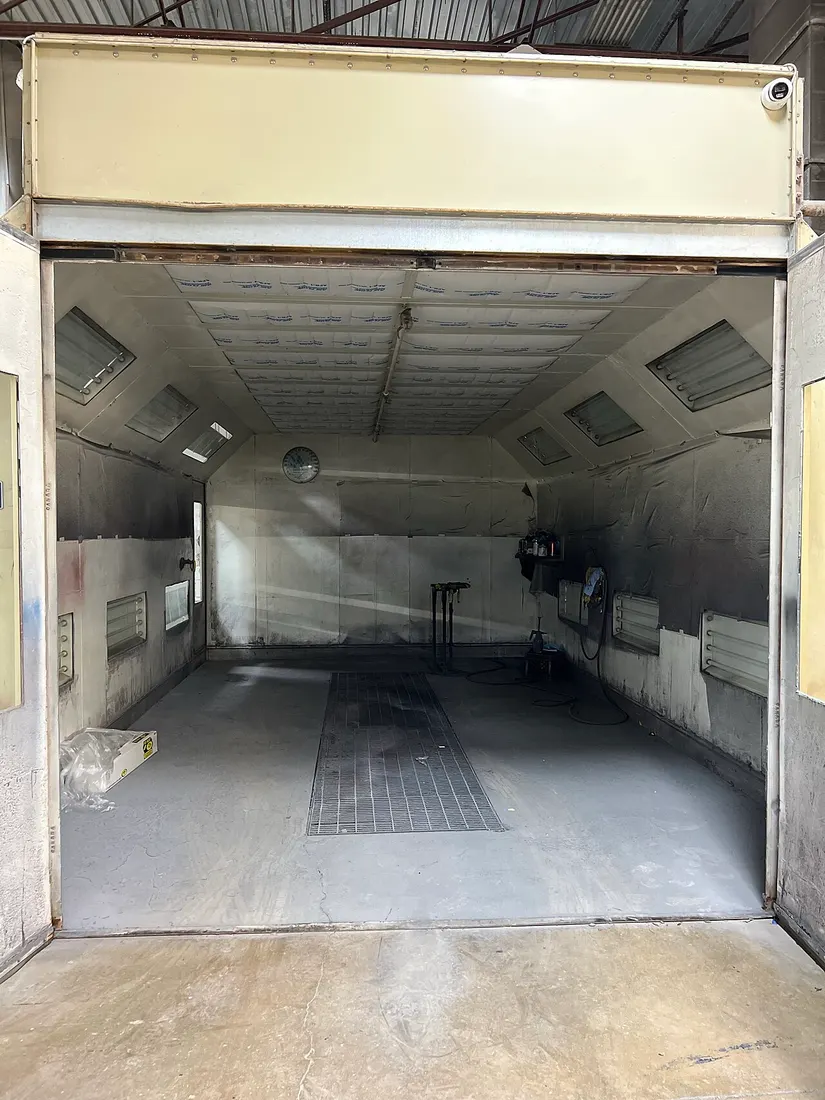
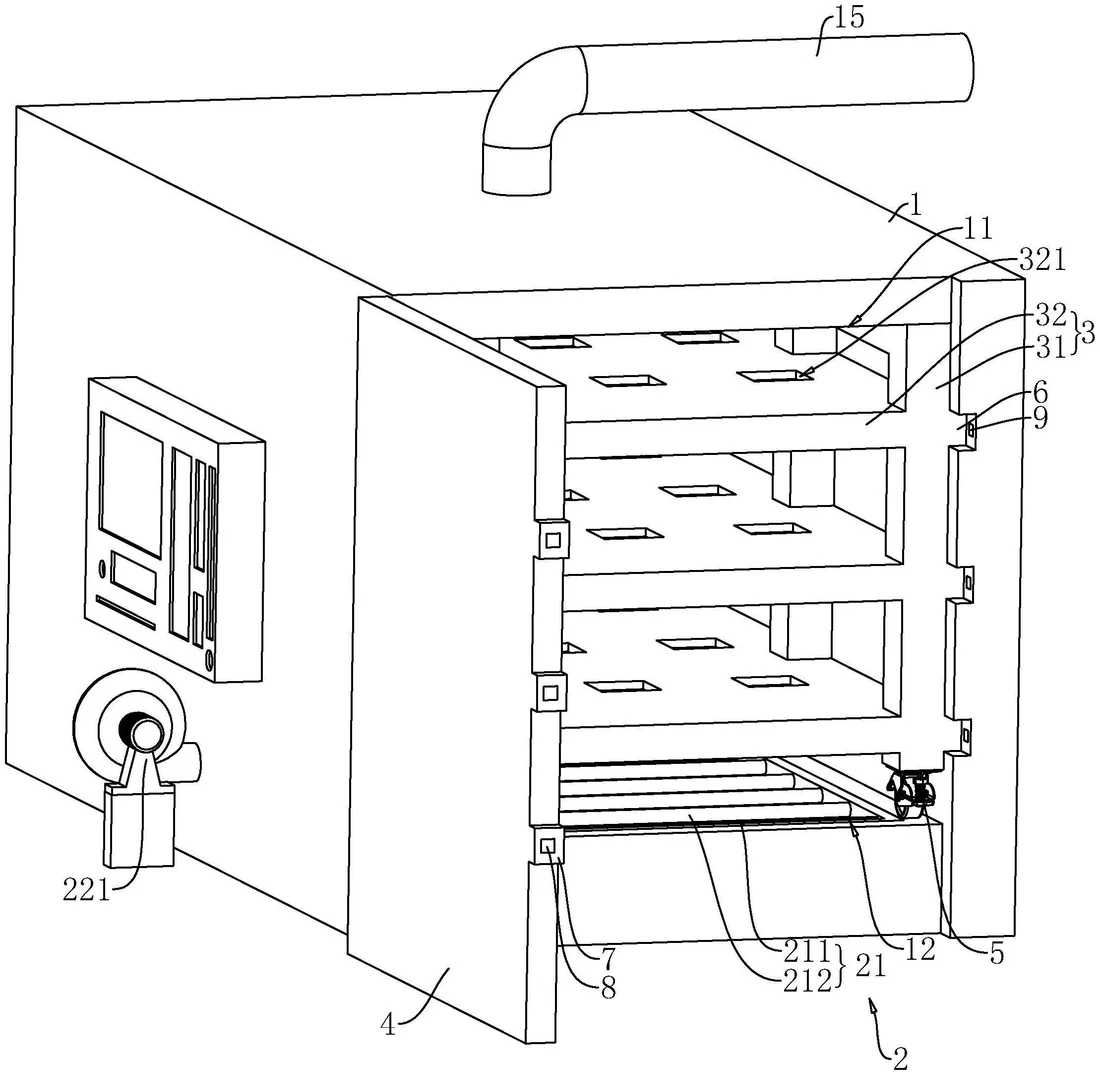
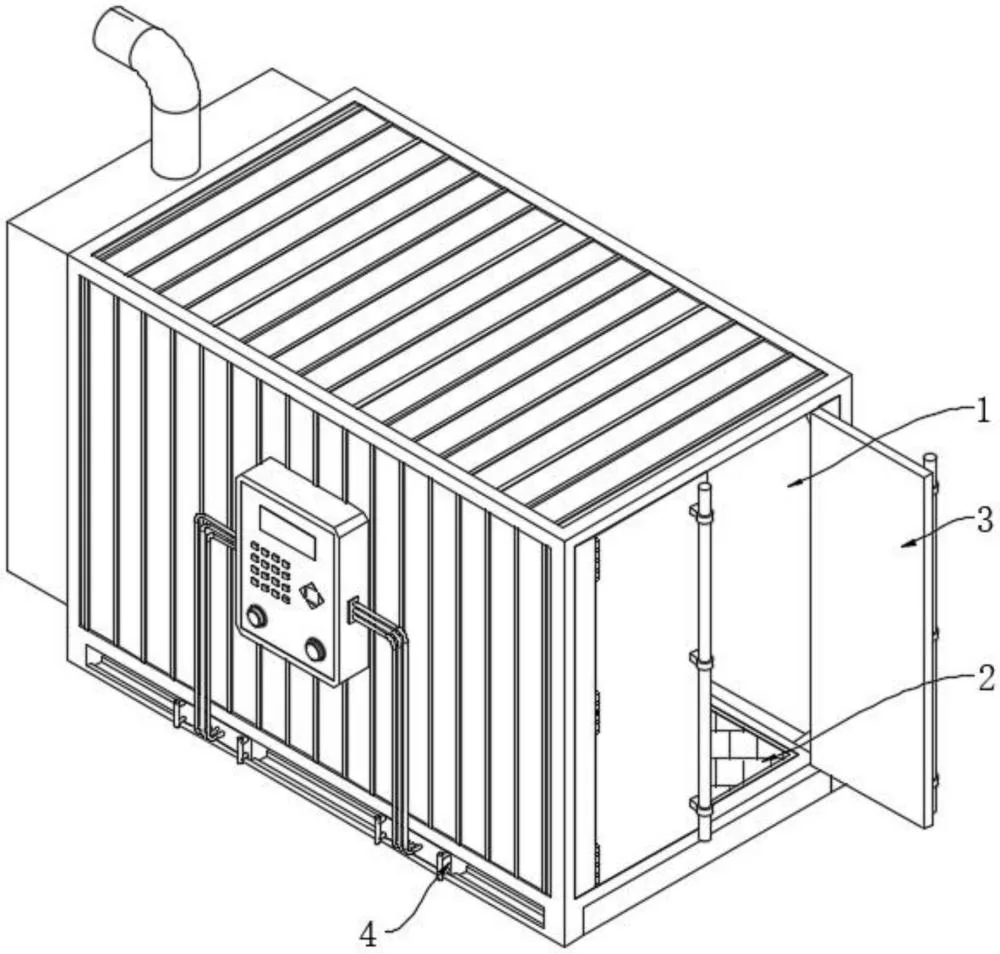
Taking a heated curing room as an example, parts are loaded at set spacing and controlled hot air and exhaust carry away volatiles and drive the reactions the material needs. Temperature and time must follow the coating and the actual part temperature, not just room air temperature or a surface that looks dry.
Process sequence
- Confirm coating and loading
- Flow out or flash off as required
- Enter the curing environment
- Hold to the part's thermal history
- Cool and ventilate
- Inspect the coating
Key inputs
- Liquid paint or powder system
- Solvent, water or reaction by-products
- Part wall thickness, loading, cure curve and exhaust
Common problems
- Thick parts heating slowly inside
- Sags, pinholes and blisters
- Loading shadows causing local undercure or overbake
Limits of application
- Spray booths and curing rooms serve different functions; even combined, they need separate phases
- Solvent flash-off of liquid paint and crosslinking of thermoset powder cannot share the same criteria
Functional modules
Room loading
Holds and evenly supports coated parts
Heated recirculation
Brings product gradually to process temperature
Fresh air and exhaust
Removes volatiles and keeps air exchange
Temperature monitoring and protection
Records state and limits over-temperature
Manufacturer & technical sources
Continue with manufacturer product pages, operating principles and technical information for this equipment type.