

What it does
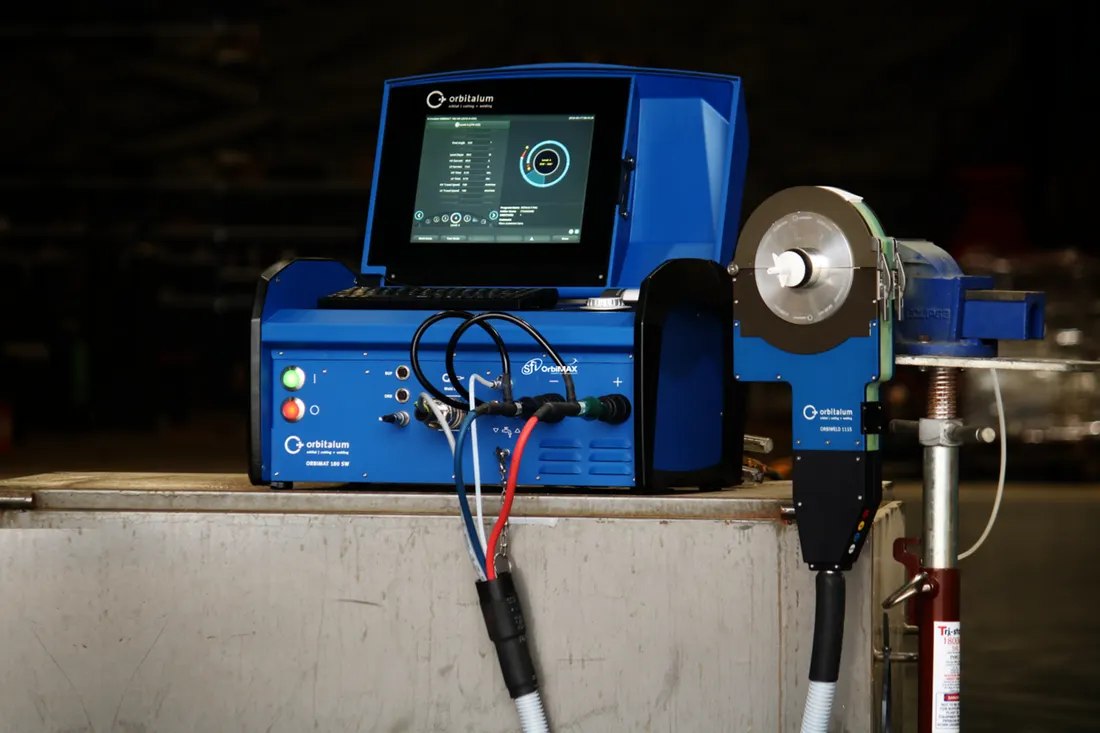
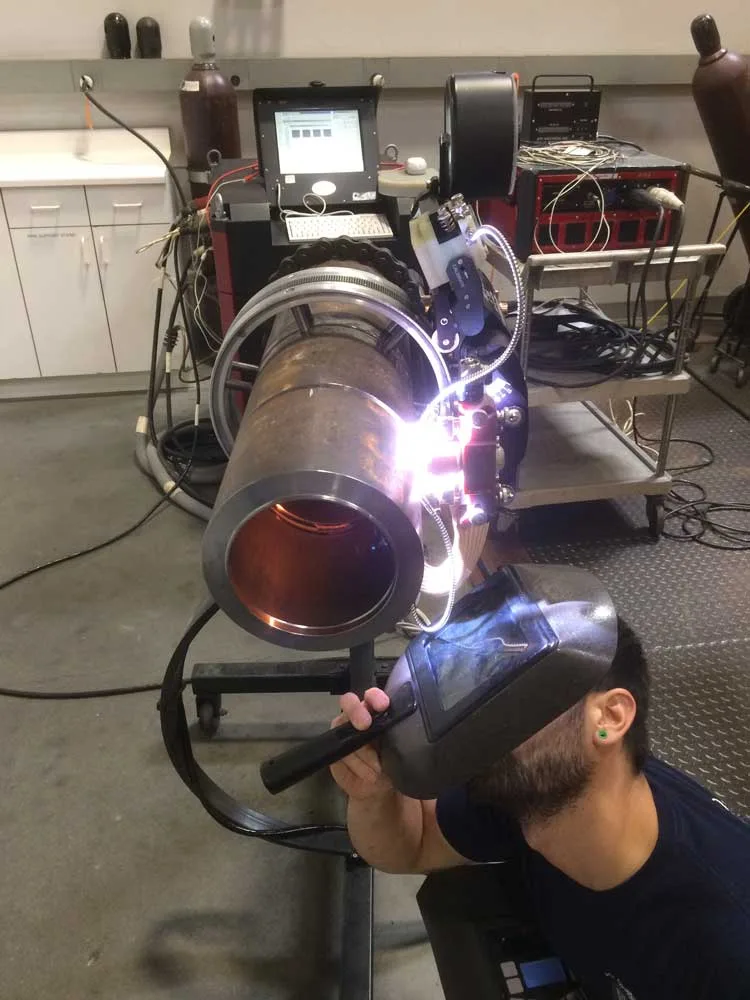
Moves the welding electrode or torch around a fixed tube joint to complete the circumferential weld automatically.
How it works
Common orbital TIG uses a non-consumable tungsten electrode to form the arc, mechanical guidance carries it around the tube, and shielding gas protects the pool. Wire can be added as needed, and the program must account for changing position around the tube, gravity and thermal state.
Process sequence
- Prepare and align tube ends
- Mount the weld head
- Establish outside and any required back purge
- Weld around per program
- End the arc and cool
- Remove the head and inspect
Key inputs
- Tube diameter, wall and material
- End squareness and mismatch
- Head clearance and open or closed design
- Shielding, filler wire and weld program
Common problems
- End gap deviation causing uneven fusion
- Poor shielding causing oxidation
- Head positioning or electrode condition changing
- Heat build-up around the tube changing the pool
Limits of application
- This page gives an overview of tube-to-tube orbital TIG
- Tube-to-tubesheet heads locate differently
- Automatic orbiting does not remove the need for end preparation and program validation
Functional modules
Welding power source
Runs the circumferential program
Orbital weld head
Moves the electrode around the joint
Clamping and alignment
Hold the tube ends in relation
Shielding and optional wire feed
Protect the weld zone and add material
Manufacturer & technical sources
Continue with manufacturer product pages, operating principles and technical information for this equipment type.