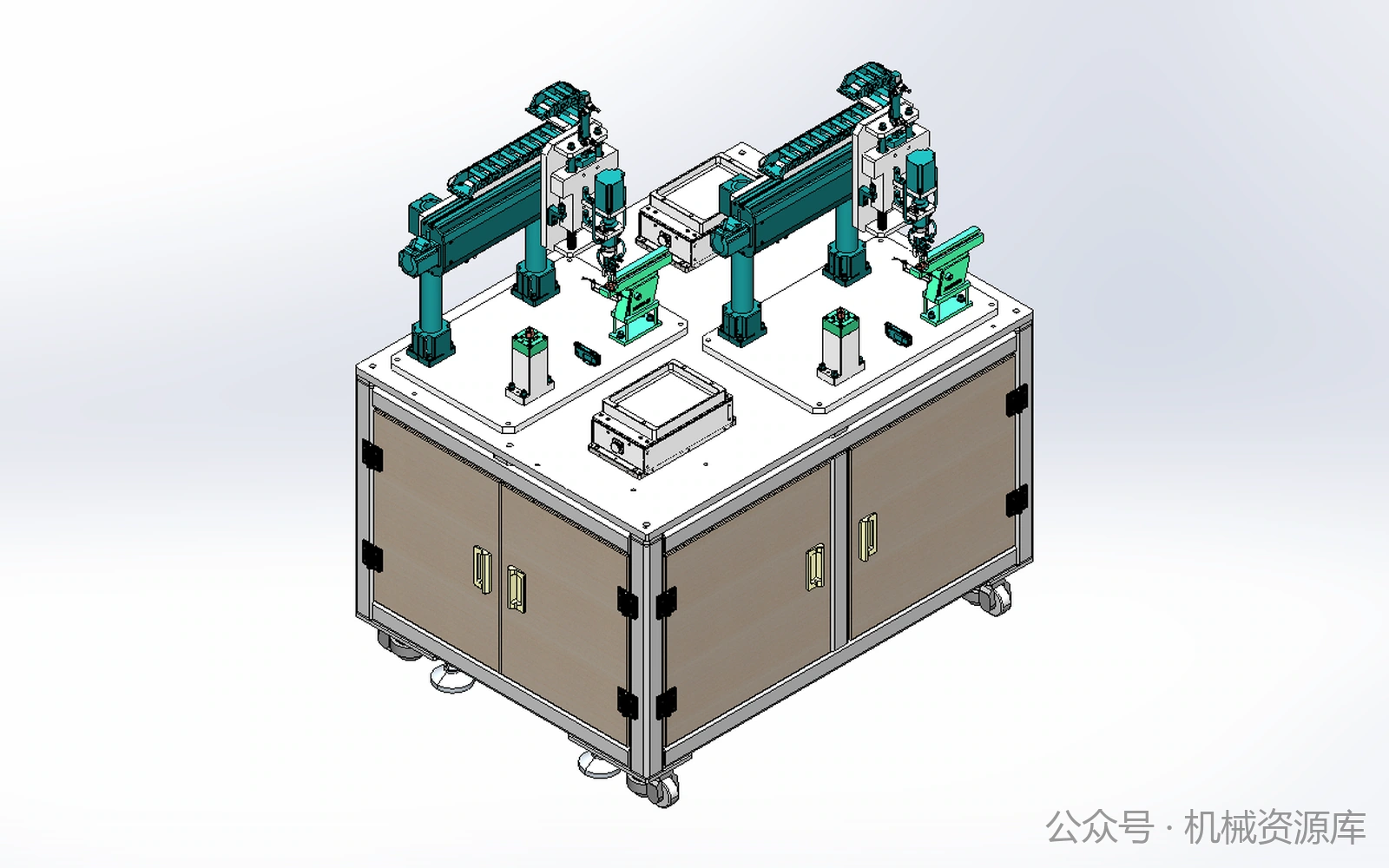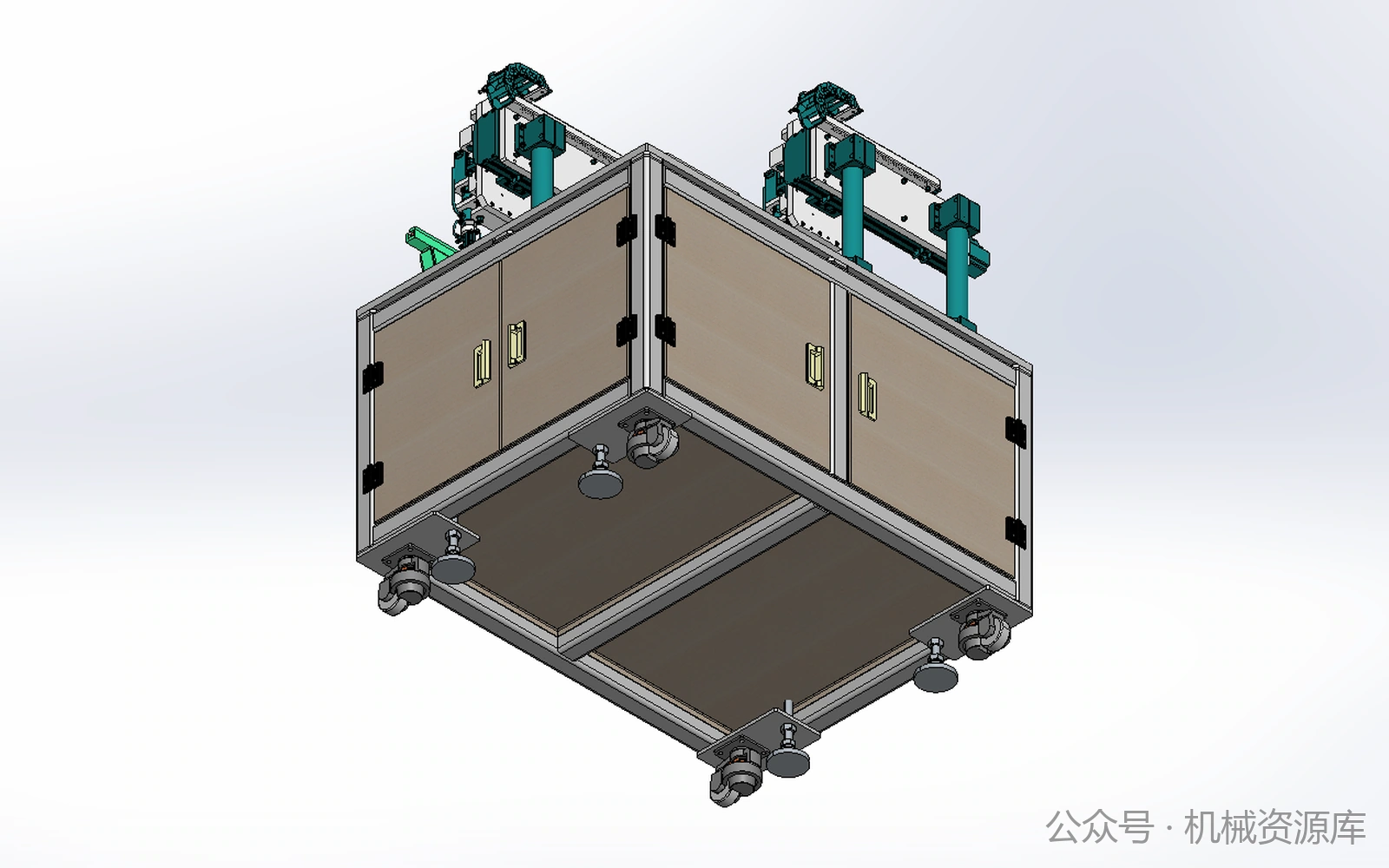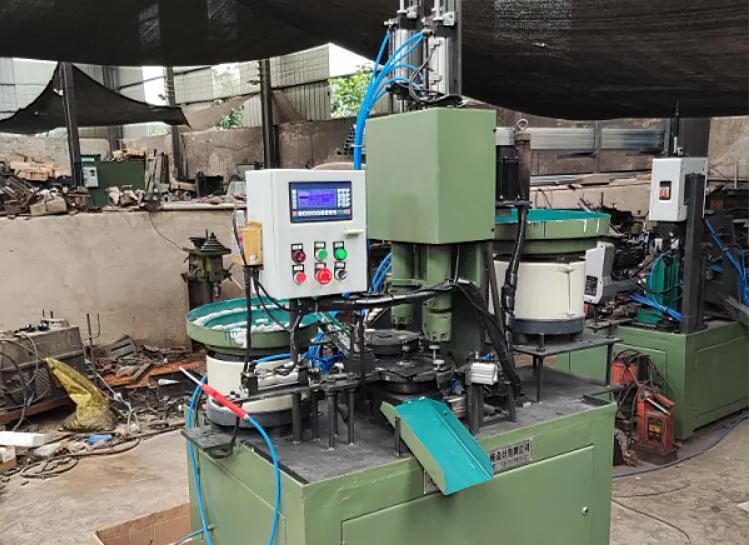

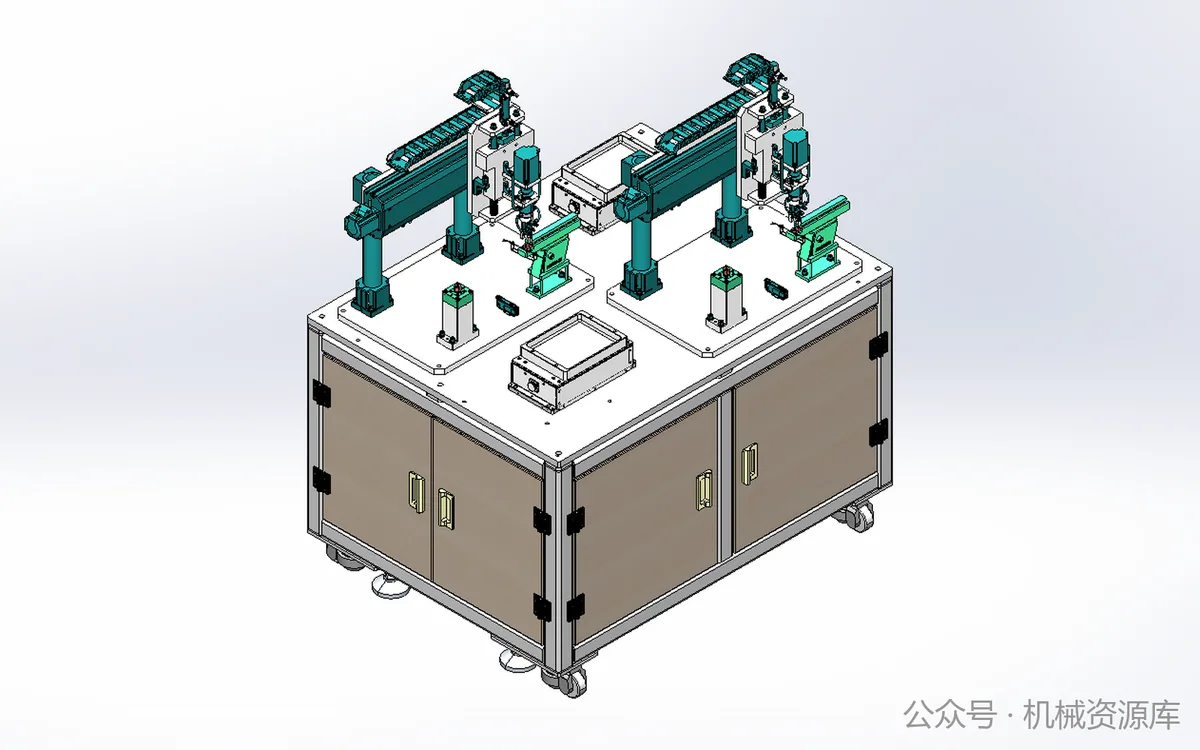
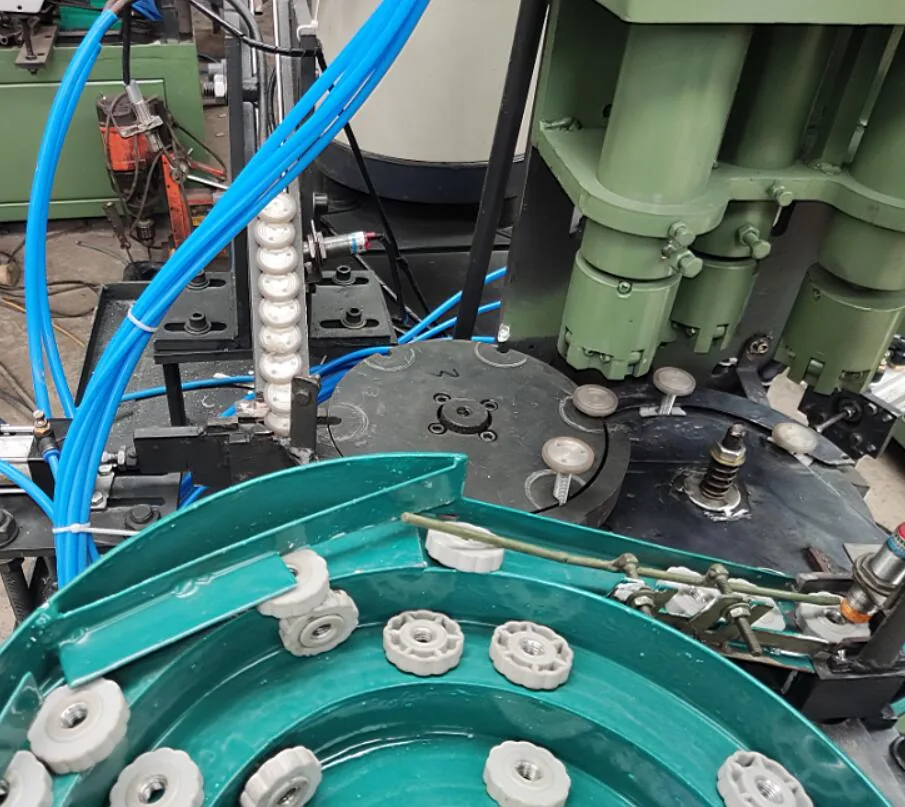
What it does
Feeds oriented nuts and threads them squarely onto bolts or studs, giving the specified run-down position or clamped state.
How it works
The bolt is held against rotation by a fixture, nuts are escaped one at a time into the driving head, and rotation combined with axial feed engages the threads. For pre-assembled sets the stop is a run-down position; where clamping is needed, final tightening follows the joint requirement, and the two use different criteria.
Process sequence
- Feed and clamp the bolt
- Escape one nut
- Centre and engage threads
- Run down at low resistance
- Stop at position or final tightening target
- Unclamp and discharge
Key inputs
- Thread size, hand and locking feature
- Lead-in chamfer, coaxiality and clamping
- Pre-assembly position or clamping target
Common problems
- Reversed or double nuts
- Cross-threading and thread damage
- Wrong run-down length or fixture slipping
Limits of application
- Threading nuts differs from clinch nuts and heat-set inserts
- Prevailing torque of locknuts must not be mistaken for clamping
Functional modules
Dual part feeding
Orients nuts and bolts separately
Clamping and anti-rotation
Holds the externally threaded part
Rotate and advance
Centres and threads the nut
Detection and discharge
Detects cross-threading and the assembly end point
Manufacturer & technical sources
Continue with manufacturer product pages, operating principles and technical information for this equipment type.