
EQUIPMENT / PRINCIPLE / DESIGN

Micro gear assembler

Fits small gears onto shafts at the right bore position and assembly angle, avoiding jamming from misaligned tooth form, bore shape or keyway.

Equipment principle & structureRequest design help ↗
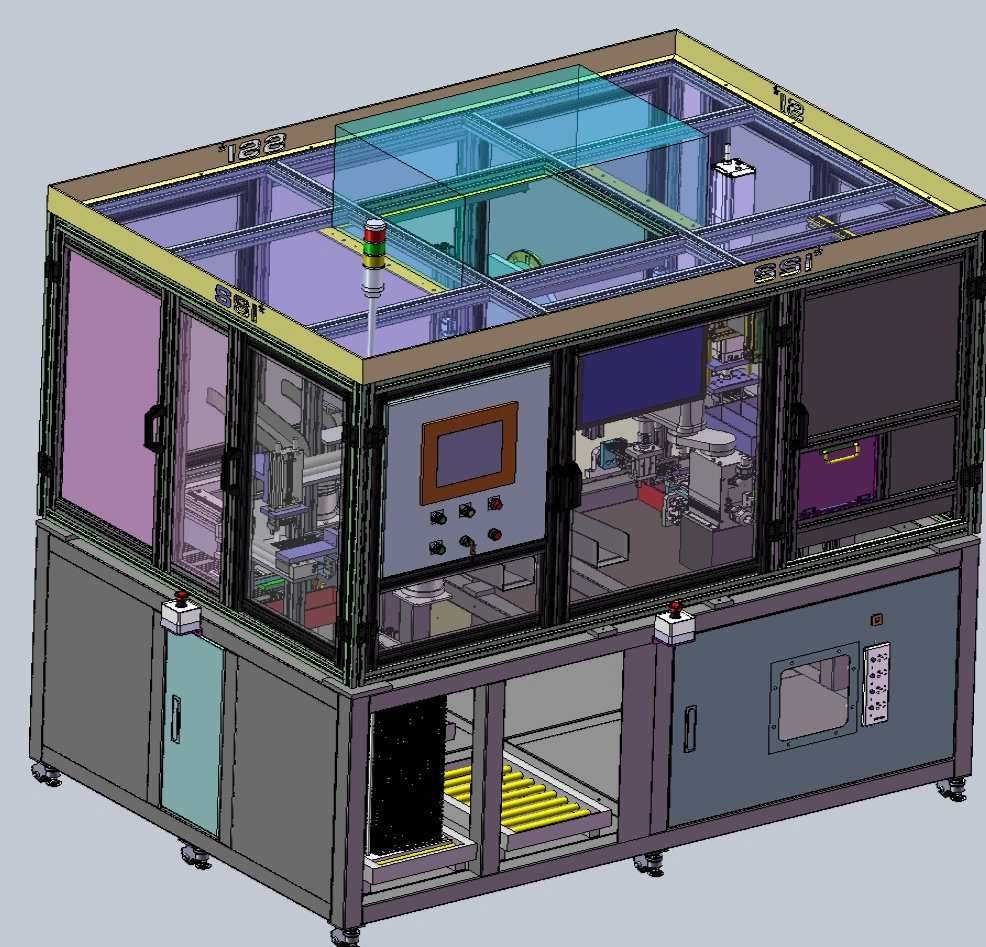
Micro gear assembler · CAD model
Micro gear assembler · CAD model · Mechanical resource library channel
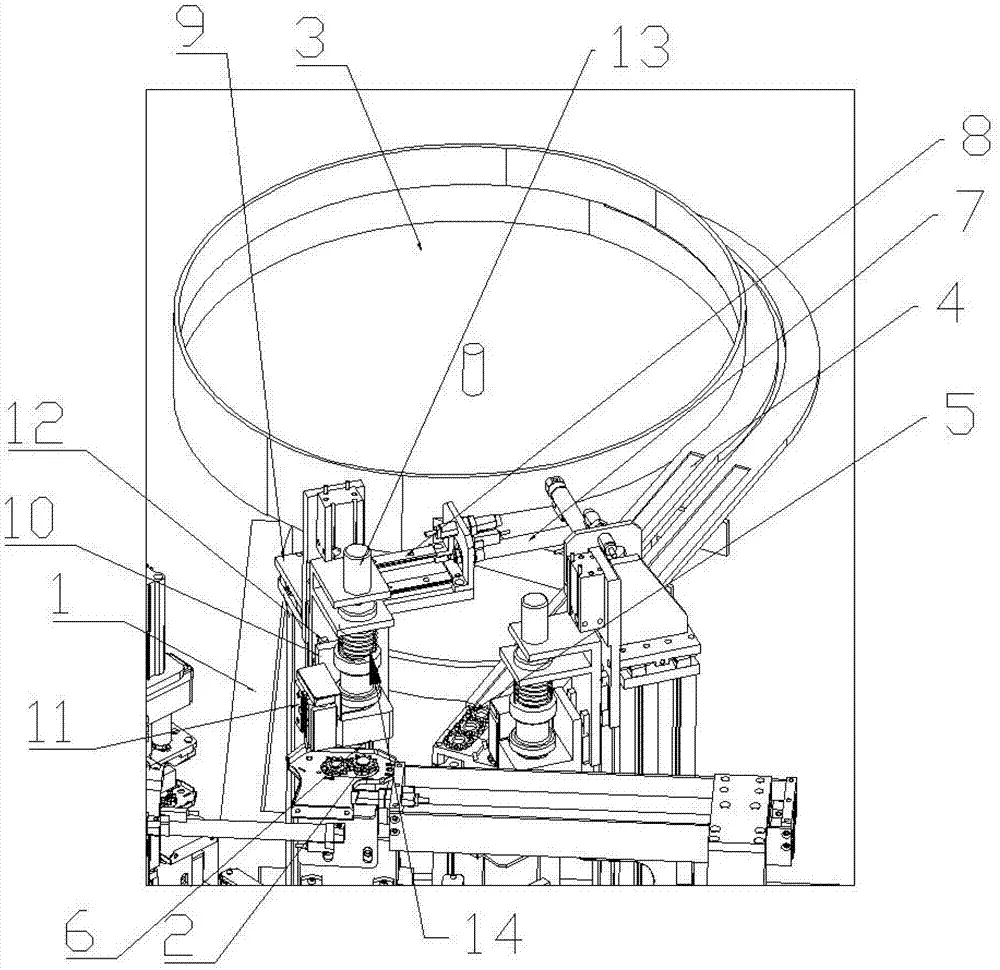
Micro gear assembler · original schematic, not to scale; shows the working principle and modules
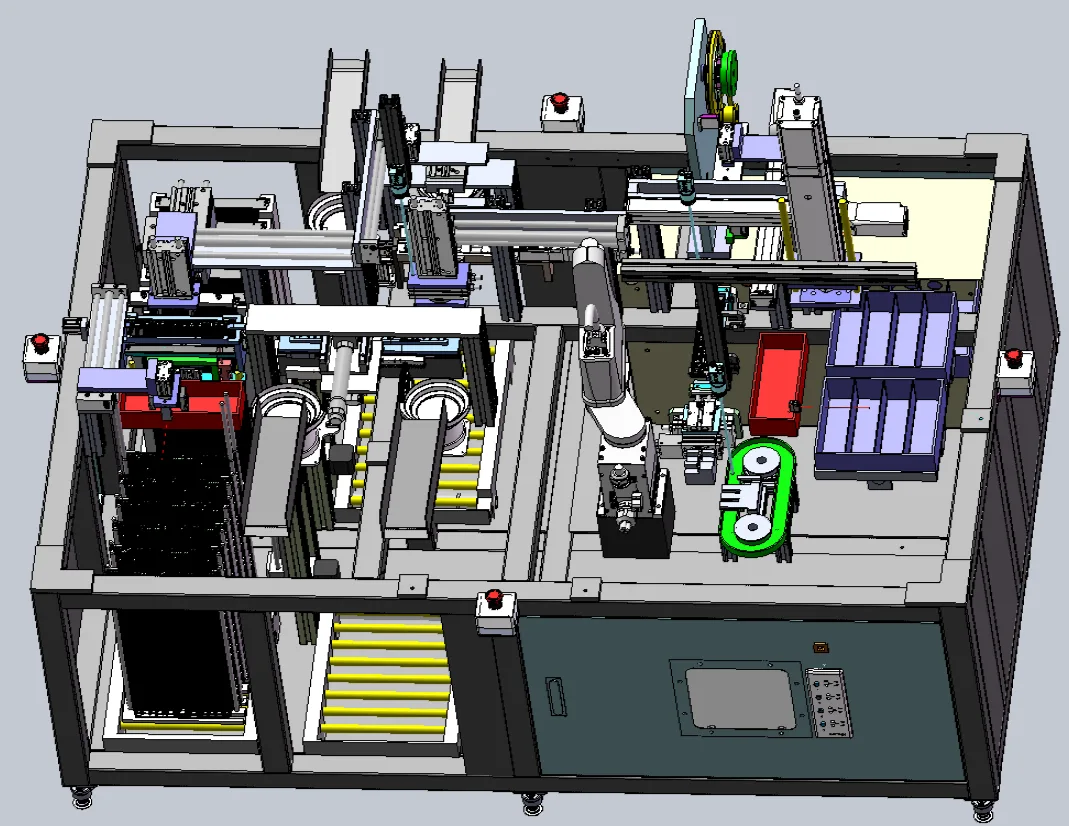
Micro gear assembler, 3D model: feeders, pick-and-place and assembly units in the frame
Micro gear assembler, 3D model: feeders, pick-and-place and assembly units in the frame · LazyStones 3D model · Public model library reference image · Resized proportionally and converted to WebP
Micro gear assembly (CN203156300U): bowl feeder and shaft-gear assembly unit
Micro gear assembly (CN203156300U): bowl feeder and shaft-gear assembly unit · CN203156300U · Original patent drawing · Resized proportionally with the original mark retained

What it does

Fits small gears onto shafts at the right bore position and assembly angle, avoiding jamming from misaligned tooth form, bore shape or keyway.

How it works

Take a pick-and-place design with rotary alignment as an example. A fixture locates the shaft, oriented feeding brings a gear to the pick position, and horizontal and vertical axes carry the gear to the shaft end. Compliant axial contact combined with controlled rotation finds the angle at which the gear will go on, and only then is it pushed home. Magnetic picking only works for magnetic materials.

Process sequence

  1. Feed shafts and gears
  2. Clamp the shaft and pick a single gear
  3. Move to the shaft end
  4. Align by rotating under light contact
  5. Guide the gear along the shaft into position
  6. Check height and free rotation

Key inputs

  1. Gear material and bore type
  2. Lead-in at the shaft end, angular relationship and axial position
  3. Picking method, cleanliness and permitted contact force

Common problems

  1. Two gears stuck together and picked as one
  2. Bore or key angle mismatch causing jams
  3. Excess force damaging fine teeth or the shaft end

Limits of application

  1. Rotary alignment does not force parts past a fit interference
  2. Plastic or non-magnetic gears need grippers, vacuum or another suitable method; press-fitting with interference needs a separate force check

Functional modules

Gear separation

Lines gears up and delivers them one at a time to the pick position

Shaft locating fixture

Holds the shaft-end datum

Pick, place and align

Transfers horizontally and vertically and adjusts the angle

Compliant insertion

Limits contact force and checks that the gear is seated

Manufacturer & technical sources

Continue with manufacturer product pages, operating principles and technical information for this equipment type.

ONLY ON MECHWIKI / AGGREGATED

Aggregated references: models, makers, patents & videos

References scattered across model articles, vendor sites and patent databases, gathered under this machine. Checked items are listed; the rest are offered as ready-to-open searches.

Equipment and core-unit manufacturers1

Manufacturer references for whole machines, subsystems and related processes; each item states its scope.

  • SCHMIDT Technology

    ElectricPress 345 gear shaft press-fit module · Key subsystem

    This is a press-fit module. Automatic feeding and complete line integration for miniature gears require separate verification. Confirm compatibility with the original CAD model.

    Manufacturer reference

Patents: how others built it

Patents are useful for drawings and mechanism ideas. None has been vetted for this entry yet, so here are searches pre-filled with the machine name.

Videos: see it run

No licensed video is hosted for this machine yet; these searches are pre-filled with its name.

3D MODELS

3D models and download information

Explore structure and assembly with models. Download methods, file formats and terms are provided by the original article or mini program.

Find more in the model library →