

What it does
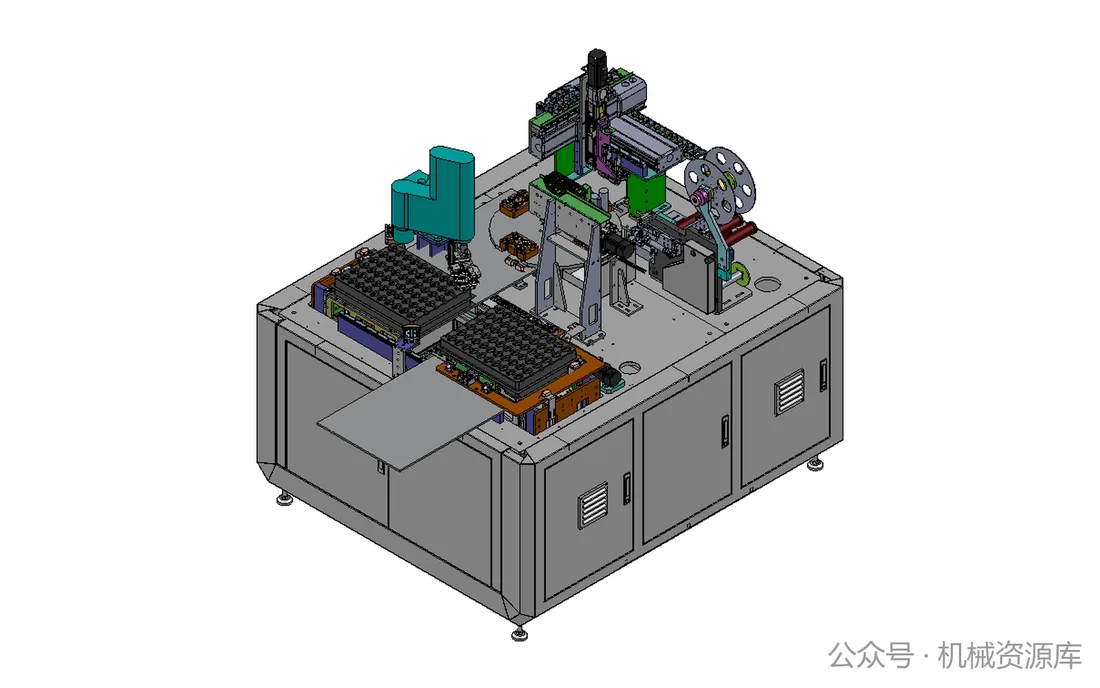
Puts part loading, film supply, liner peeling, located lamination and transfer to assembly into one continuous workflow.
How it works
Taking phone mid-frame protective film as an example, a transfer unit moves the mid-frame from the conveyor onto a moving stage, a picker takes film from the magazine to the peeling unit, and the film is held by the laminating head, aligned with the part and attached before handover to downstream assembly. Orientation of part and film must be confirmed together.
Process sequence
- Confirm incoming parts
- Locate at the transfer stage
- Supply film and peel liner
- Pick and align
- Laminate and check
- Hand over to assembly
Key inputs
- Part shape, grippable areas and film type
- Film face orientation, release force and lamination datums
- Cleanliness, lamination pressure and transfer cycle
Common problems
- Mid-frame or film reversed
- Liner not fully removed
- Film dropped in transfer, misplacement and results mixed between parts
Limits of application
- Film attachment and final assembly are separate quality steps
- Mid-frame protective film is not a screen OCA layer; acceptance follows the actual process
Functional modules
Product loading and unloading
Links conveyor and stage
Sheet supply
Takes film one piece at a time
Liner handling
Exposes the target adhesive face
Lamination and transfer
Attaches to datums and hands over
Manufacturer & technical sources
Continue with manufacturer product pages, operating principles and technical information for this equipment type.