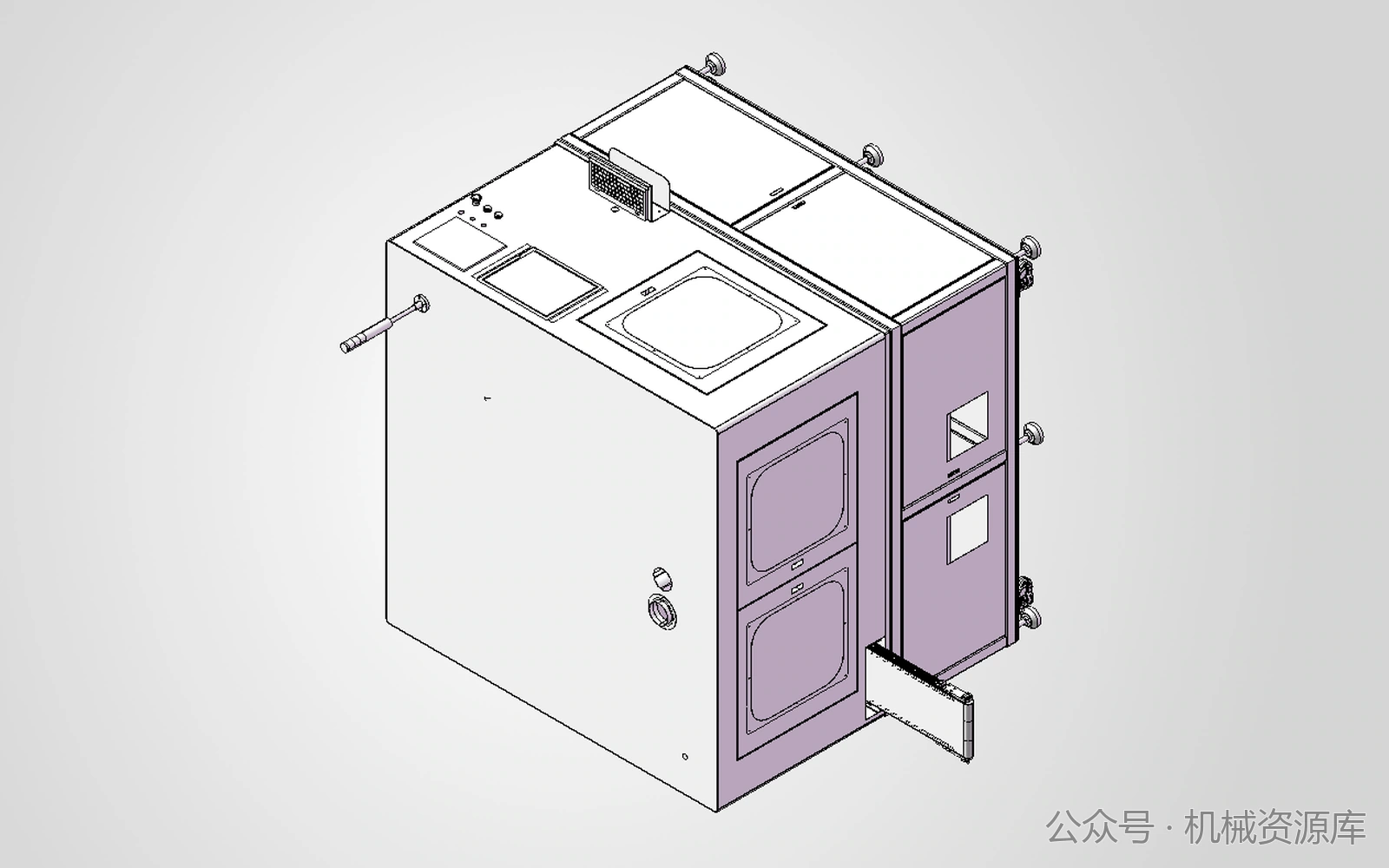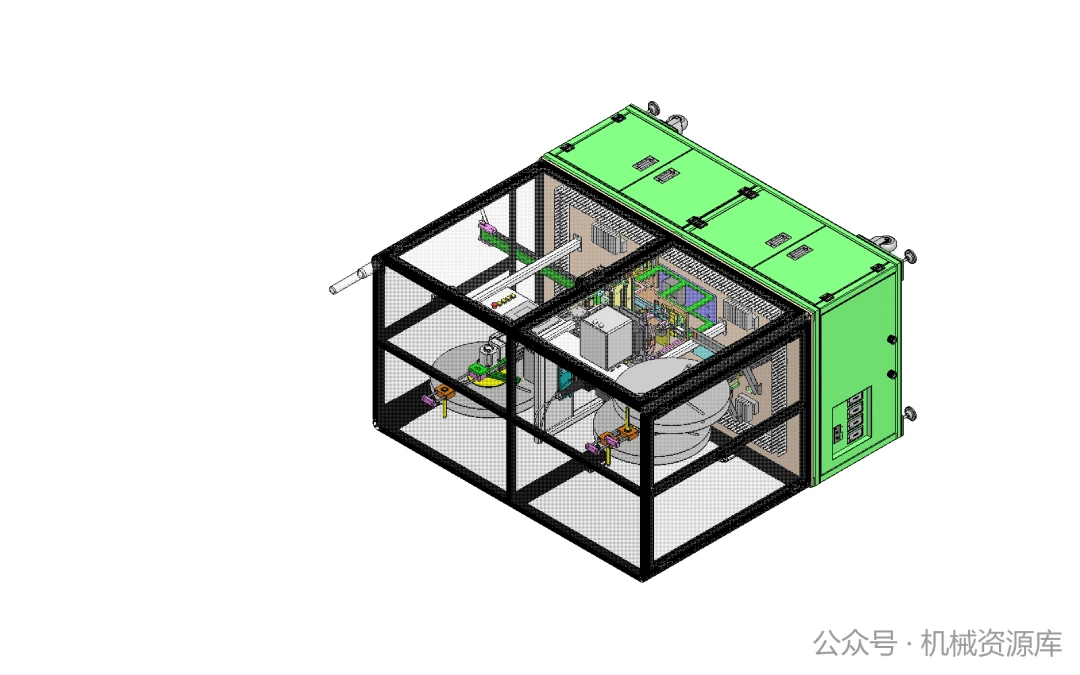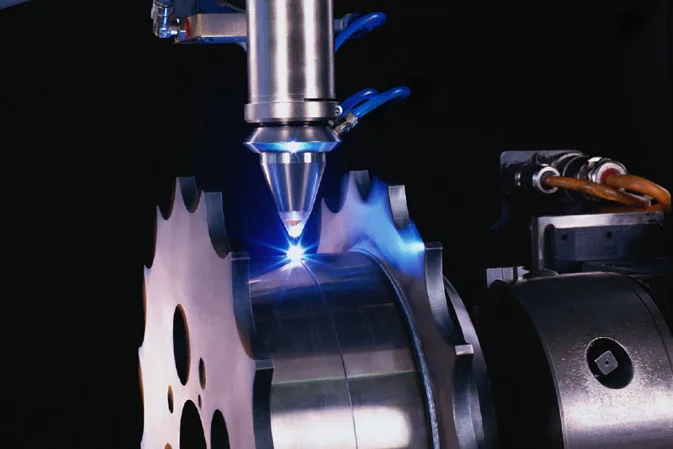

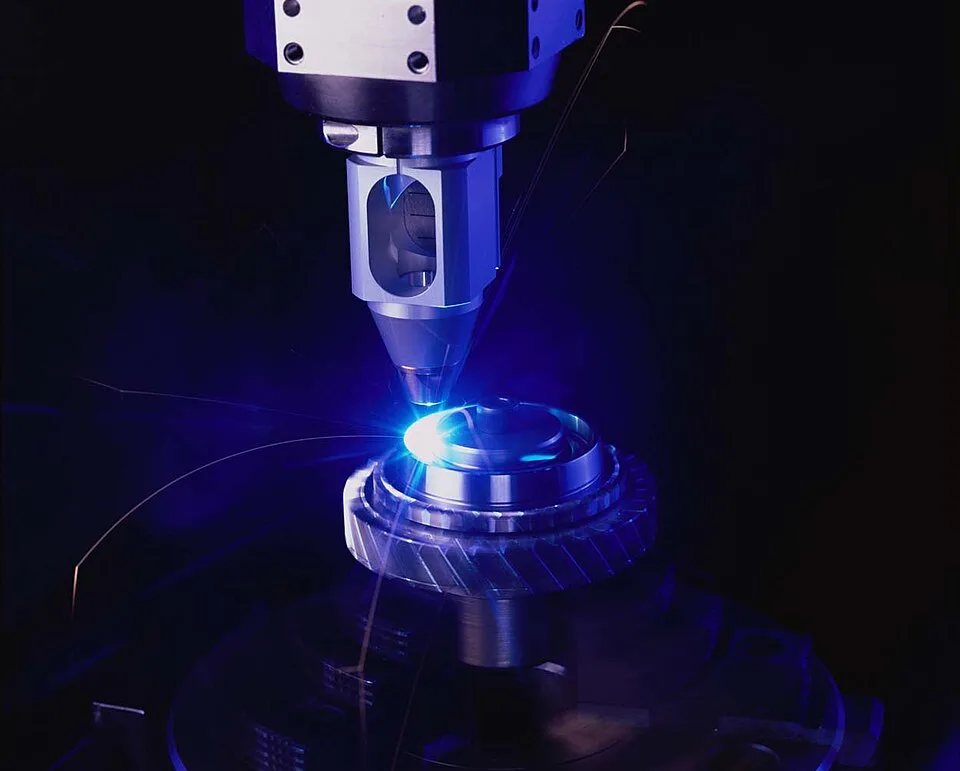
What it does
Focuses a laser at the joint and, with positioning and motion, melts it locally to make the weld.
How it works
In heat conduction welding the surface absorbs energy and conducts it inward, and the solidifying melt pool forms a shallow weld; in deep penetration welding a vapour keyhole forms and moves with the beam along the joint, with molten metal flowing around it and solidifying behind. The two modes cannot be judged by the same power label alone.
Process sequence
- Clean and clamp the joint
- Confirm focus, path and shielding
- Establish the laser welding process
- Move along the seam
- Finish and cool
- Check penetration, appearance and joint
Key inputs
- Material and surface condition
- Joint gap and alignment
- Focus and access space
- Penetration, filler wire and acceptance requirements
Common problems
- Gap or defocus changing fusion
- Unstable keyhole causing internal defects
- Surface contamination affecting absorption
- Thermal shrinkage changing assembly
Limits of application
- Heat conduction and deep penetration welding couple energy differently
- Filler wire, wobble and shielding depend on the actual process
- Internal quality cannot be confirmed by appearance alone
Functional modules
Laser and optical head
Supply and focus energy
Locating fixture
Controls joint gap and position
Robot or CNC axes
Organize the weld path
Shielding, monitoring and enclosure
Support stable processing and cell operation
Manufacturer & technical sources
Continue with manufacturer product pages, operating principles and technical information for this equipment type.