
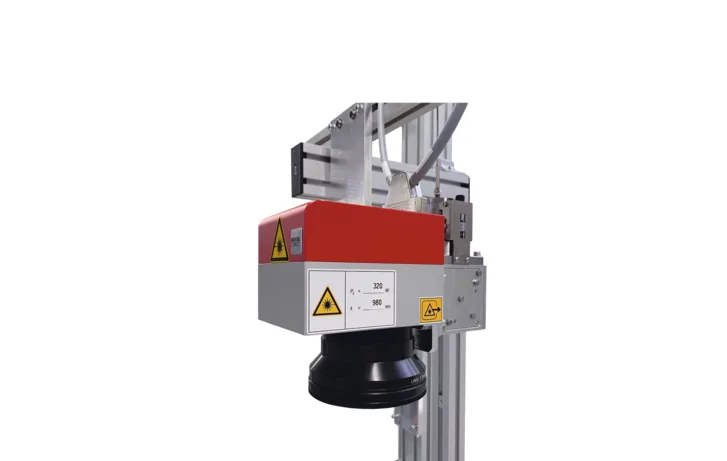

What it does
Concentrates laser energy at a plastic joint interface so the joint melts locally and fuses under clamping.
How it works
Taking transmission laser welding of plastics as an example, the upper part transmits at the process wavelength, the energy is converted to heat in the lower part or an absorbing material at the interface, and heat passes to the upper contact surface. The parts are clamped to keep good contact, and the melted interface cools into a joint.
Process sequence
- Centre and clamp both parts
- Confirm beam path and seam position
- Irradiate along the seam or heat it all at once
- Keep clamping while the interface solidifies
- Unload and inspect
Key inputs
- Compatibility of the two materials
- Transmittance, absorption and thickness at the actual wavelength
- Seam contact, clamping and allowable heat effect
Common problems
- Interface gaps reducing heat transfer
- Too much absorption in the upper part damaging the surface
- Energy distribution or material batch variation causing discontinuous welds
Limits of application
- Transmissive refers to optical properties at the process wavelength, not visible transparency
- Other laser plastic processes may use different optical arrangements
Functional modules
Laser and beam path
Deliver energy to the weld seam
Transmissive and absorbing pair
Concentrates heat at the interface
Clamping tooling
Keeps contact and seam gap
Path control
Coordinates spot, exposure time and path
Manufacturer & technical sources
Continue with manufacturer product pages, operating principles and technical information for this equipment type.