

What it does
Locates parts in line and laser-marks them, keeping mark content, part identity and inspection results continuously linked.
How it works
Laser output is scanned by galvo mirrors and focused by a lens, changing the material surface along the path to form the mark; conveying or indexing brings the target area to a suitable focal distance. After marking, content and readability are checked and the part is tracked and diverted; wavelength and interaction mechanism are chosen by material.
Process sequence
- Identify job and part
- Locate the marking face
- Confirm guarding conditions
- Laser mark
- Read back or image-check
- Bind result and output
Key inputs
- Material, surface finish and allowed heat effect
- Code type, content and mark depth requirements
- Focal distance, field, fume extraction and conveyor sync
Common problems
- Shallow marks from focus offset
- Wrong job or duplicate codes
- Fume-fouled optics, surface melting and reflections
Limits of application
- Laser marking does not always remove material
- Annealing colour change, foaming, etching and deep engraving have different energy and quality criteria
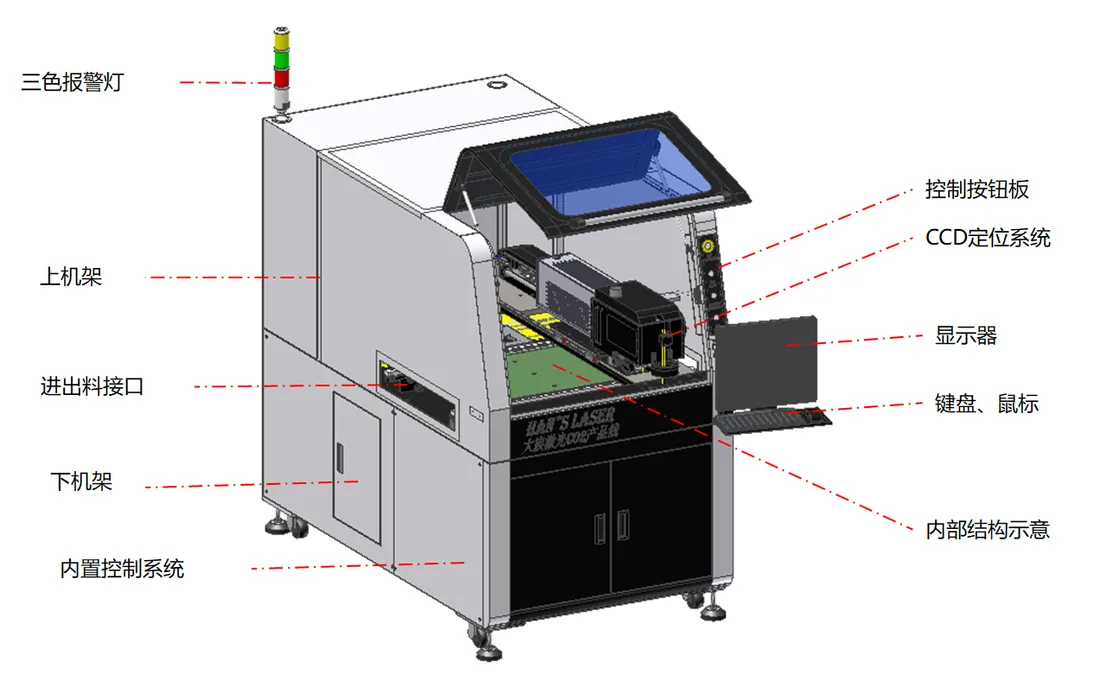
Functional modules
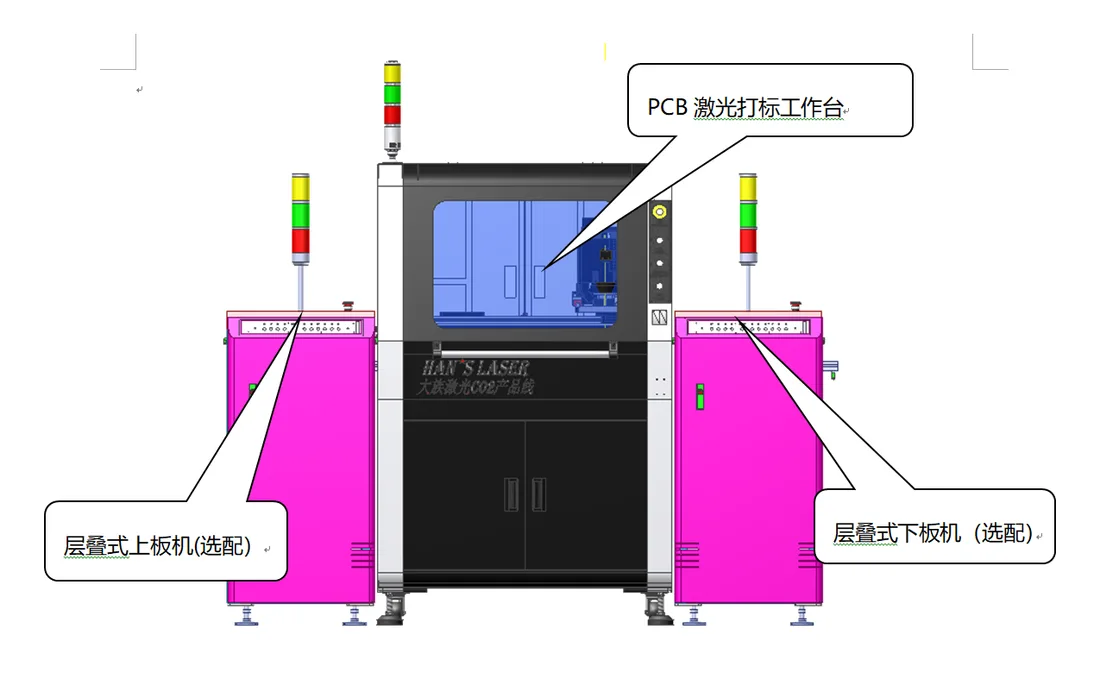
Locating conveyor
Holds the marking face and working distance
Laser scan head
Focuses and traces the pattern
Job control
Matches product and code
Inspection and guarding
Rechecks marks and manages the enclosed work area
Manufacturer & technical sources
Continue with manufacturer product pages, operating principles and technical information for this equipment type.