
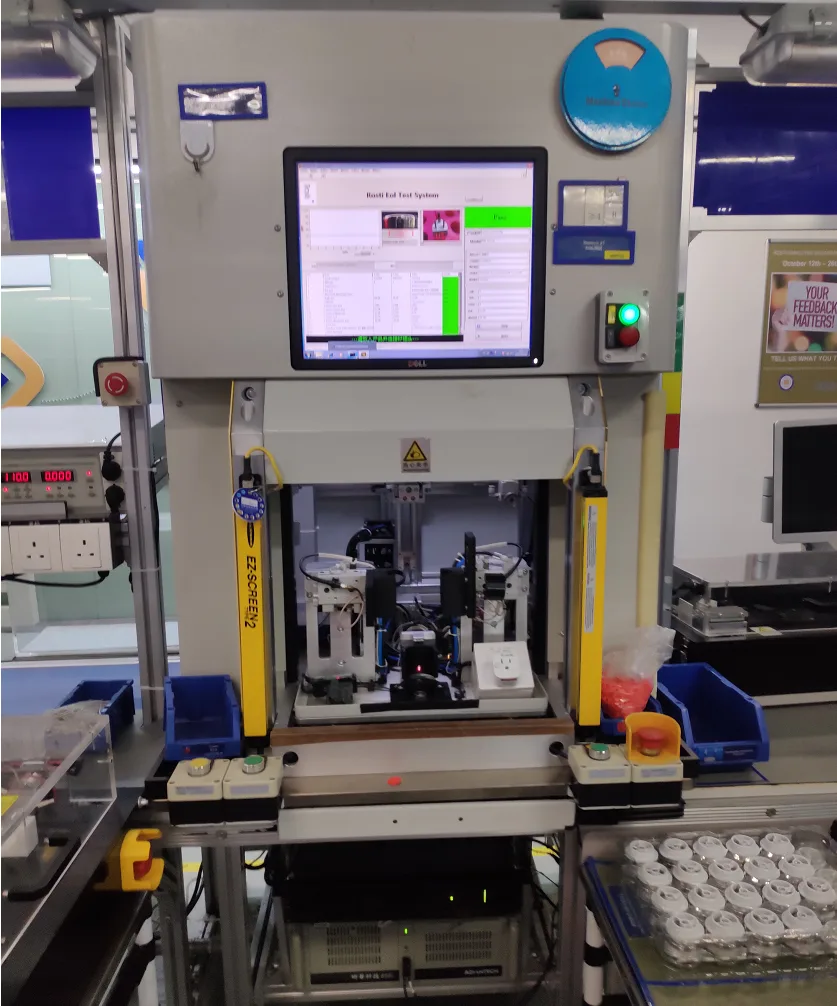

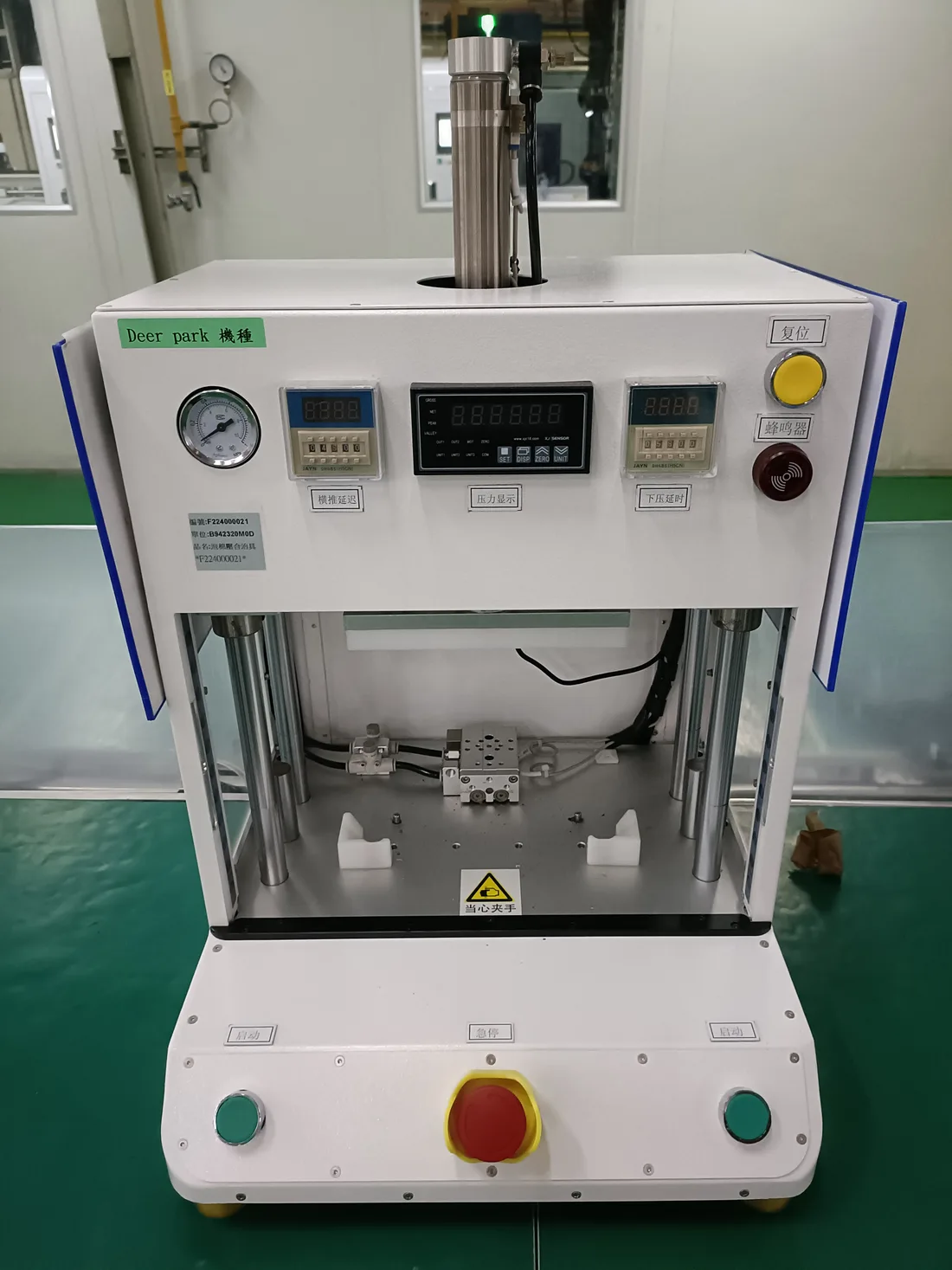
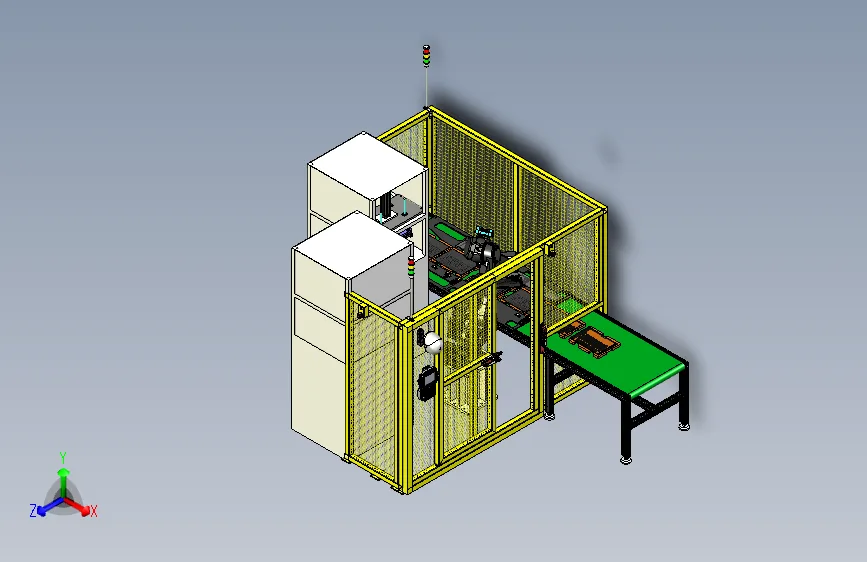
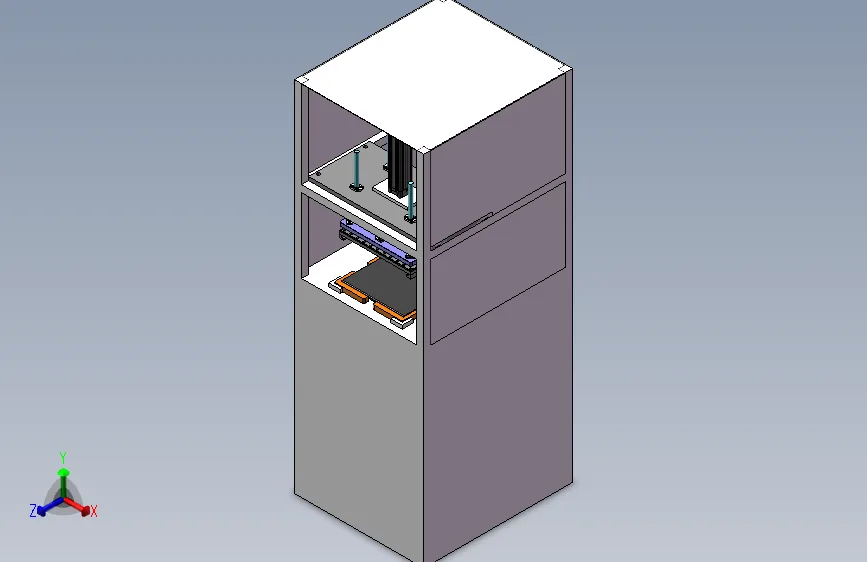
What it does
Moves laptop components into a test fixture, makes electrical or functional test contact by controlled pressing, then transfers them by result.
How it works
Taking bed-of-nails motherboard testing as an example, the board is supported and located, then the upper probe plate presses down to make the specified contact with the lower plate, and probes connect test instruments to run checks. The handler must remove the product only after the press has fully retracted and the test is disconnected; pressing makes the connection and does not itself mean a pass.
Process sequence
- Check product version
- Load and locate
- Press the probes into contact
- Run specified tests
- Disconnect and release
- Transfer by result
Key inputs
- Board version, test points and connectors
- Probe travel, support and contact force
- Test items, power-up sequence and product identity
Common problems
- Dirty or bent probes
- Board flexing causing unstable contact
- Hot plugging, results assigned to the wrong unit and moving before the fixture retracts
Limits of application
- Board electrical test, complete unit function test and housing bond pressing are different processes
- This entry uses bed-of-nails press testing to explain the core mechanism
Functional modules
Product handling
Links conveyor and fixture
Locating and support
Prevents board flexing
Probe plates
Make stable electrical contact
Test judgment
Records by item and diverts
Manufacturer & technical sources
Continue with manufacturer product pages, operating principles and technical information for this equipment type.