

What it does
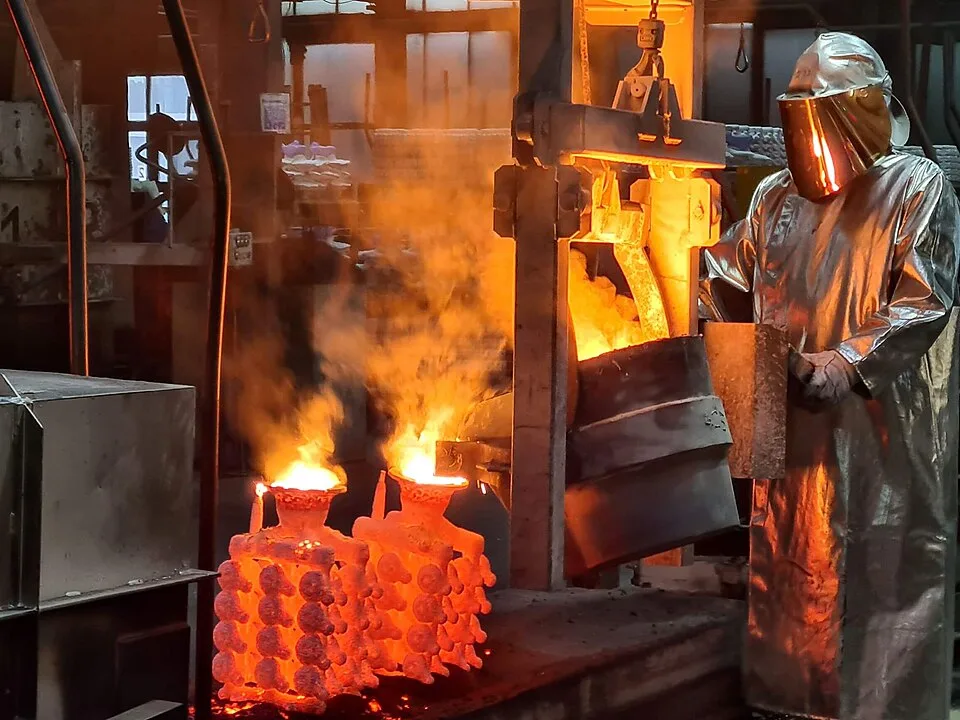
Builds a ceramic shell on expendable wax patterns, removes the wax and pours metal to form precision castings.
How it works
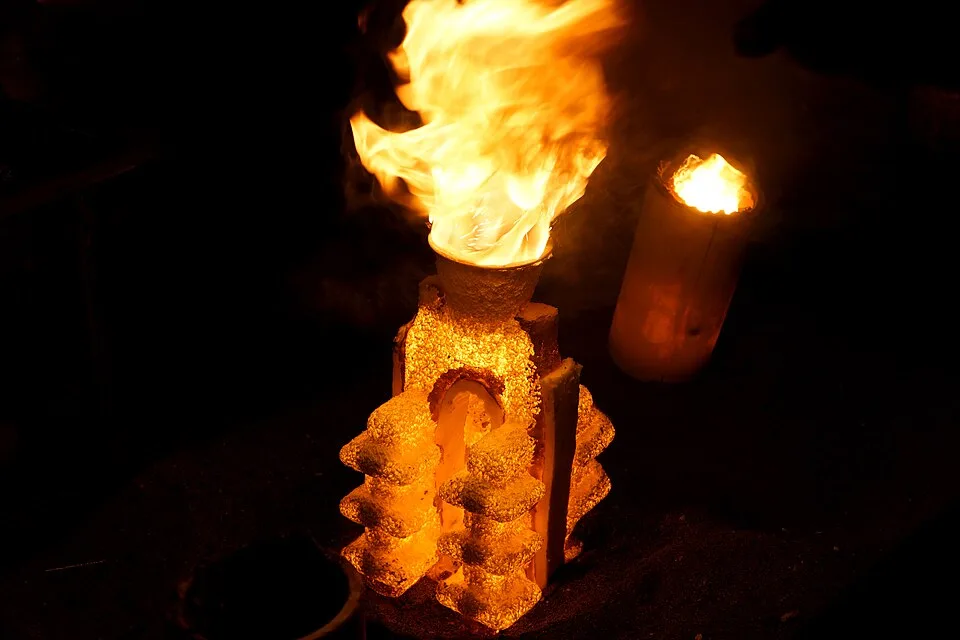
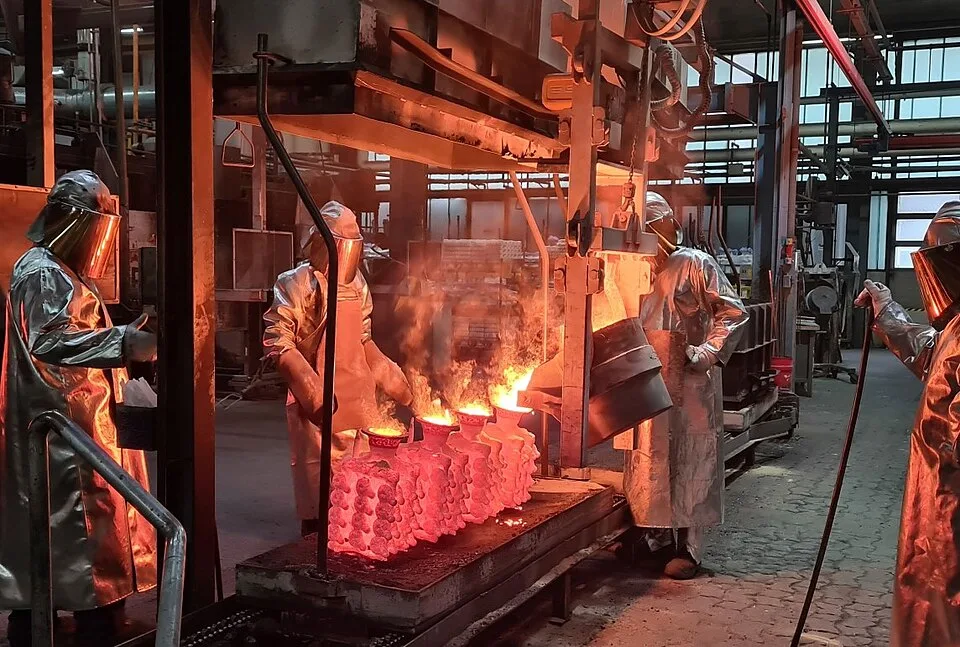
Wax patterns are assembled with the gating system, then repeatedly dipped in slurry, stuccoed and dried to form a shell; dewaxing leaves a cavity, which is fired per the process and poured. After solidification the shell is removed, gates are cut off, and needed heat treatment and inspection follow, unlike the lost foam route where metal burns away foam directly.
Process sequence
- Make and check wax patterns
- Assemble the tree
- Build shell repeatedly and dry
- Dewax and fire
- Pour and cool
- Remove shell, cut gates and inspect
Key inputs
- Alloy and casting features
- Wax pattern size and gating system
- Shell materials and drying
- Dewaxing, pouring and post-processing route
Common problems
- Wax pattern distortion carrying into dimensions
- Shell defects or abnormal drying
- Shell damage during dewaxing
- Internal defects from pouring and solidification
Limits of application
- A cell may cover shell making only or a multi-stage line; define it by the actual scope
- Near-net shape does not mean every surface needs no machining
- The shell is consumed with every pour
Functional modules
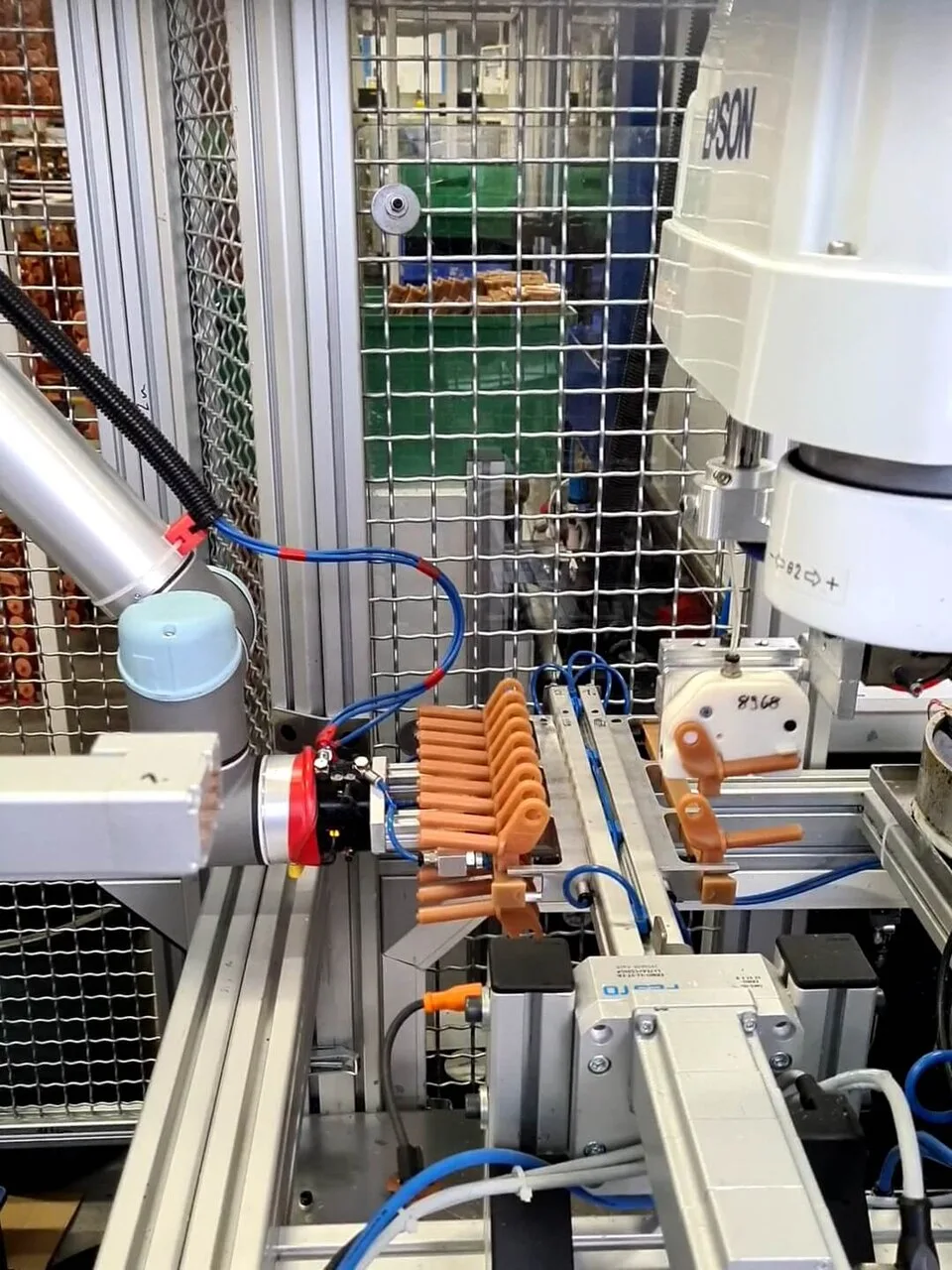
Wax patterns and tree assembly
Produce the expendable shape
Dipping, stuccoing and drying
Build the ceramic shell
Dewaxing and firing
Prepare a pourable cavity
Pouring and cleaning
Form and release the metal casting
Manufacturer & technical sources
Continue with manufacturer product pages, operating principles and technical information for this equipment type.