

What it does
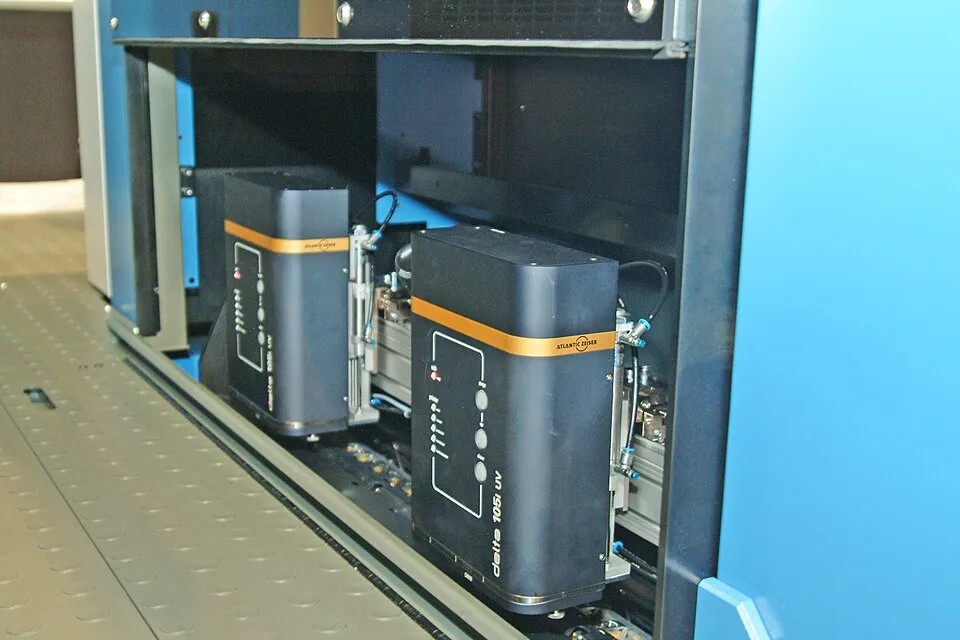
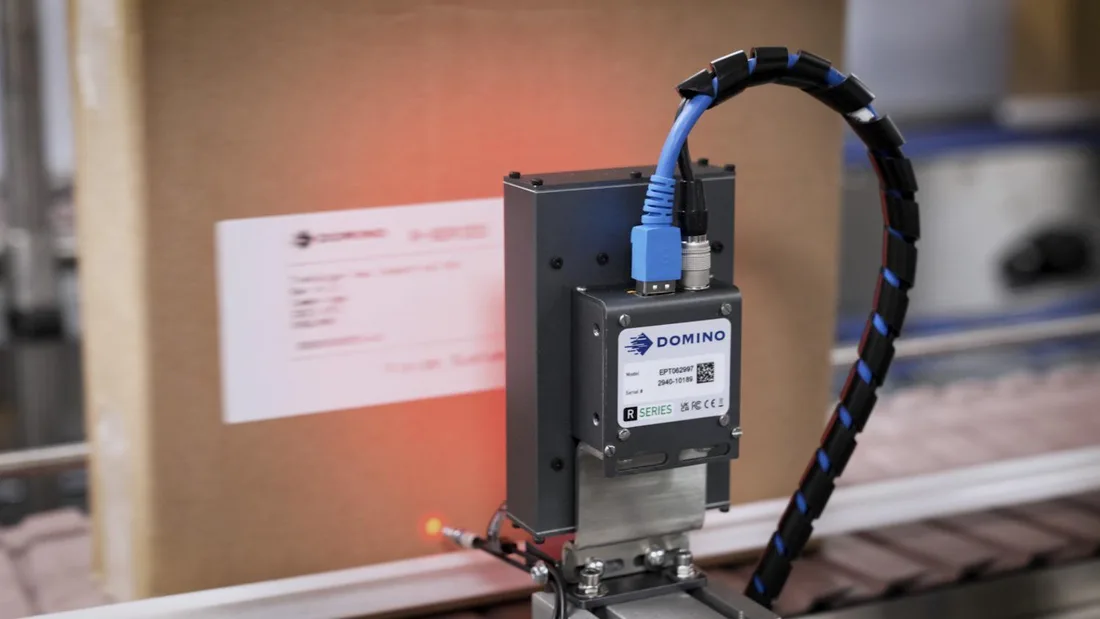
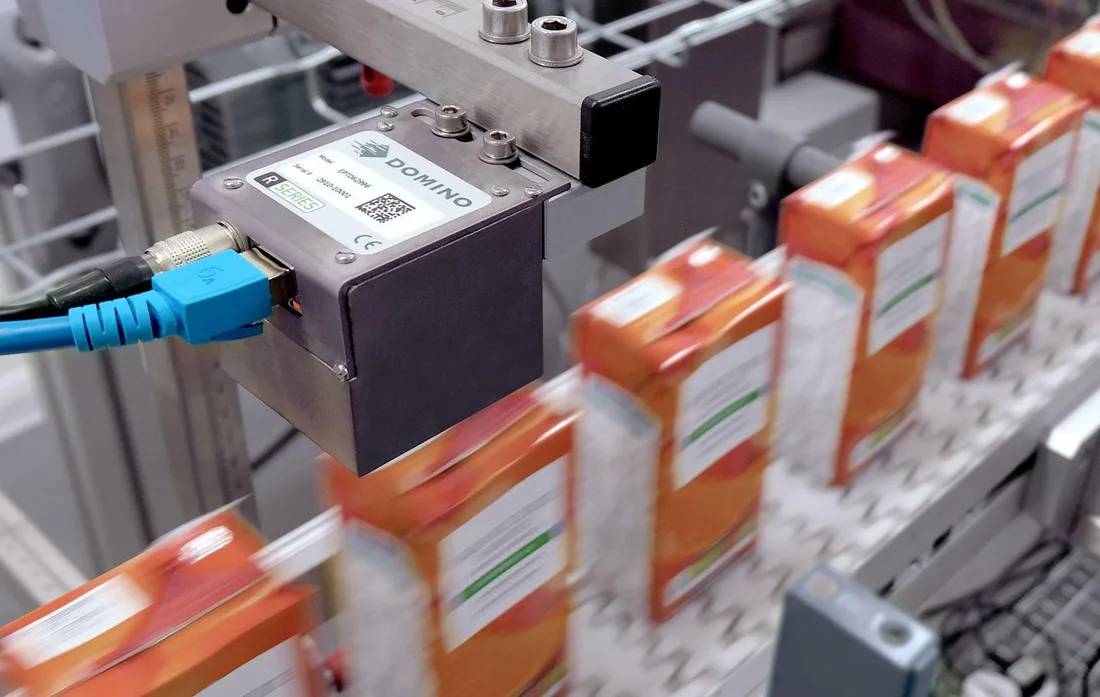
Prints dates, lot numbers or traceability data without contact on products that are moving or located.
How it works
Taking continuous inkjet as an example, ink leaves the nozzle as a continuous jet, high-frequency vibration breaks it into drops, selected drops are charged and their paths bent in a deflection field to form characters, and unused drops are recovered. Product trigger and speed signals set print start position and character spacing.
Process sequence
- Confirm job and ink
- Bring the printhead to a stable state
- Detect the product
- Print at line speed
- Check content and position
- Record and release
Key inputs
- Substrate, ink adhesion and drying
- Characters, barcodes and readable area
- Head distance, line speed, trigger and cleaning
Common problems
- Nozzle contamination breaking print
- Viscosity drift, ink spatter or recovery faults
- Trigger offset, wrong codes and stretched spacing
Limits of application
- Continuous inkjet, drop-on-demand inkjet and thermal transfer form images differently
- One ink's adhesion, solvent resistance or food-contact suitability cannot be extended to all materials
Functional modules
Ink supply and printhead
Forms stable drops
Charging and deflection
Selects drop landing to form characters
Trigger and speed sensing
Synchronizes with product position
Recovery and maintenance
Controls viscosity and head cleanliness
Manufacturer & technical sources
Continue with manufacturer product pages, operating principles and technical information for this equipment type.