
What changed
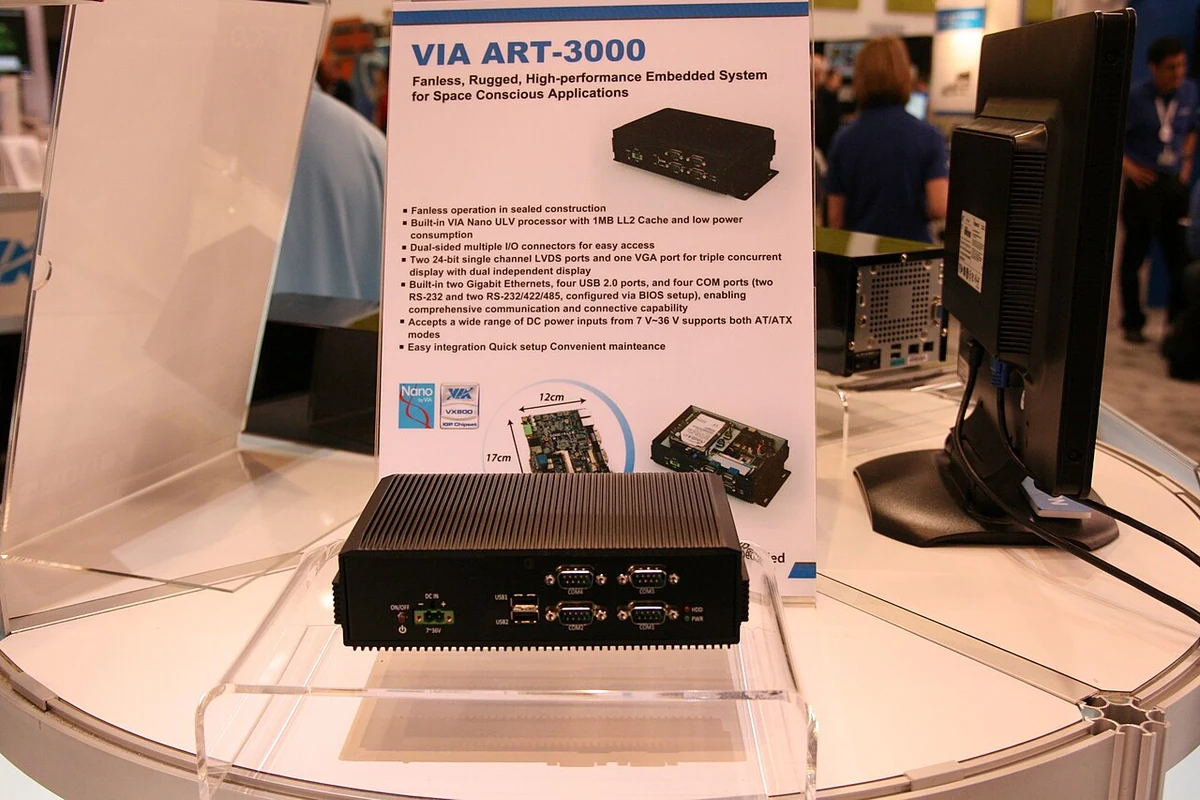
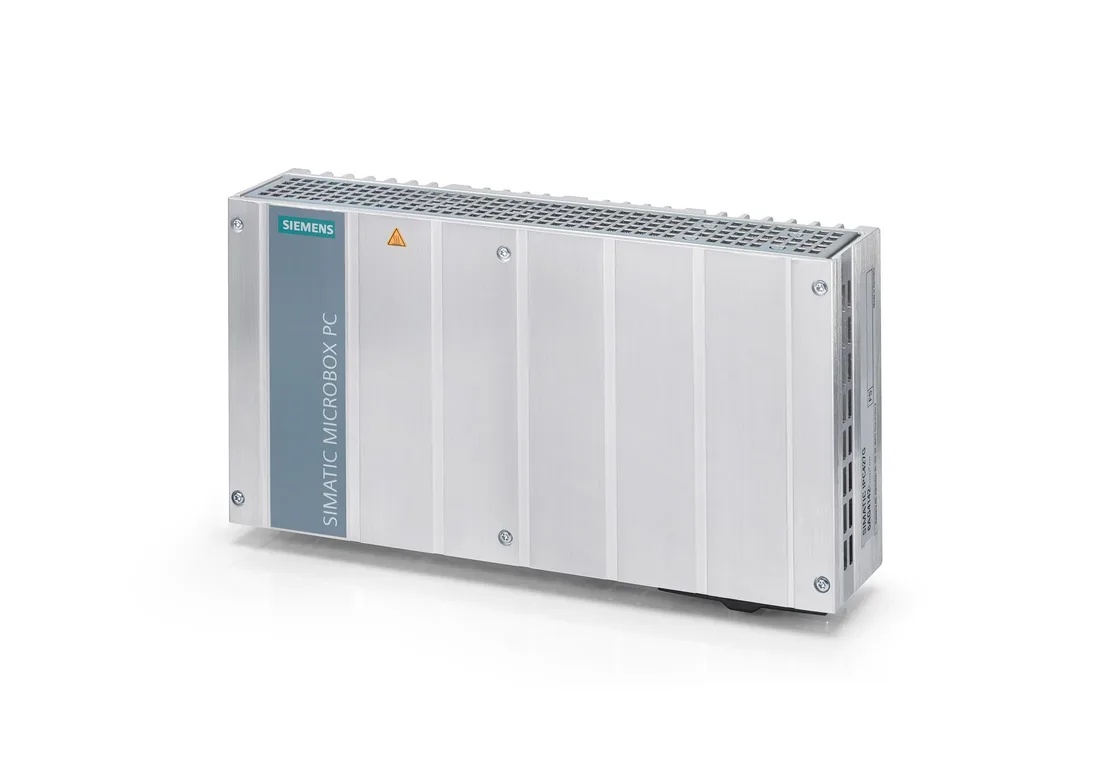
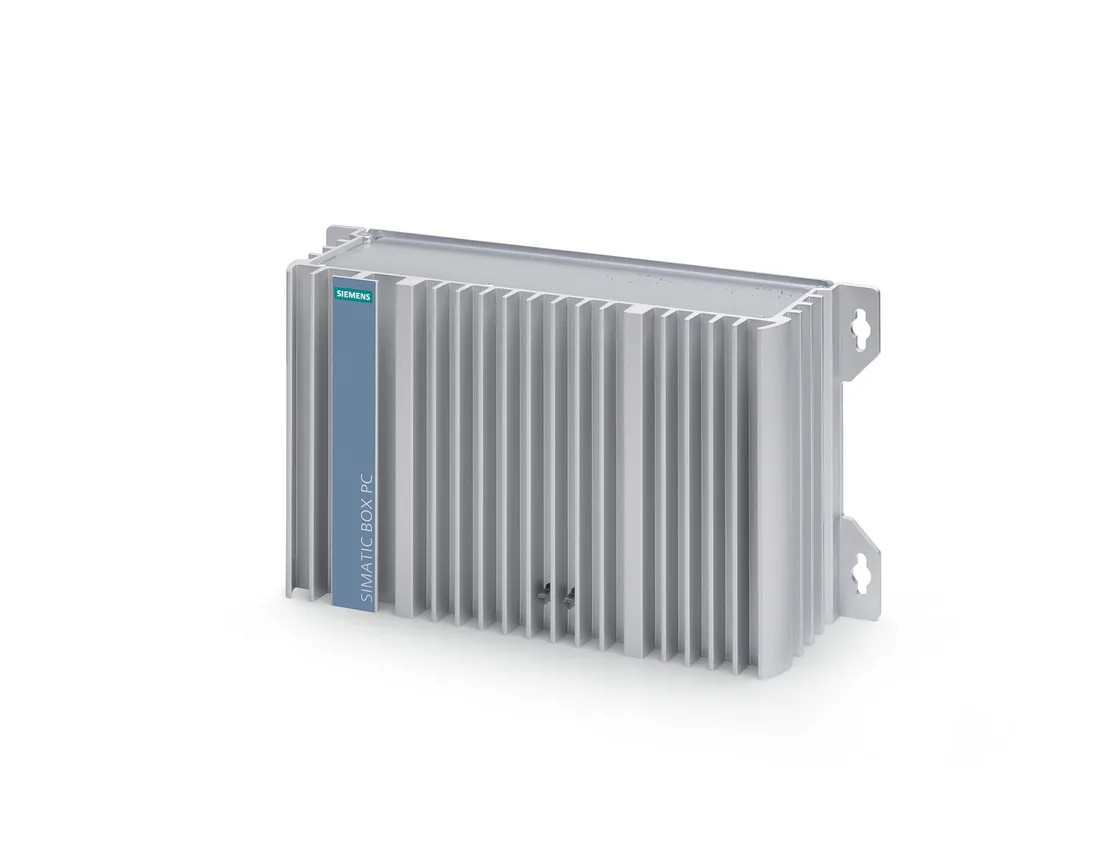
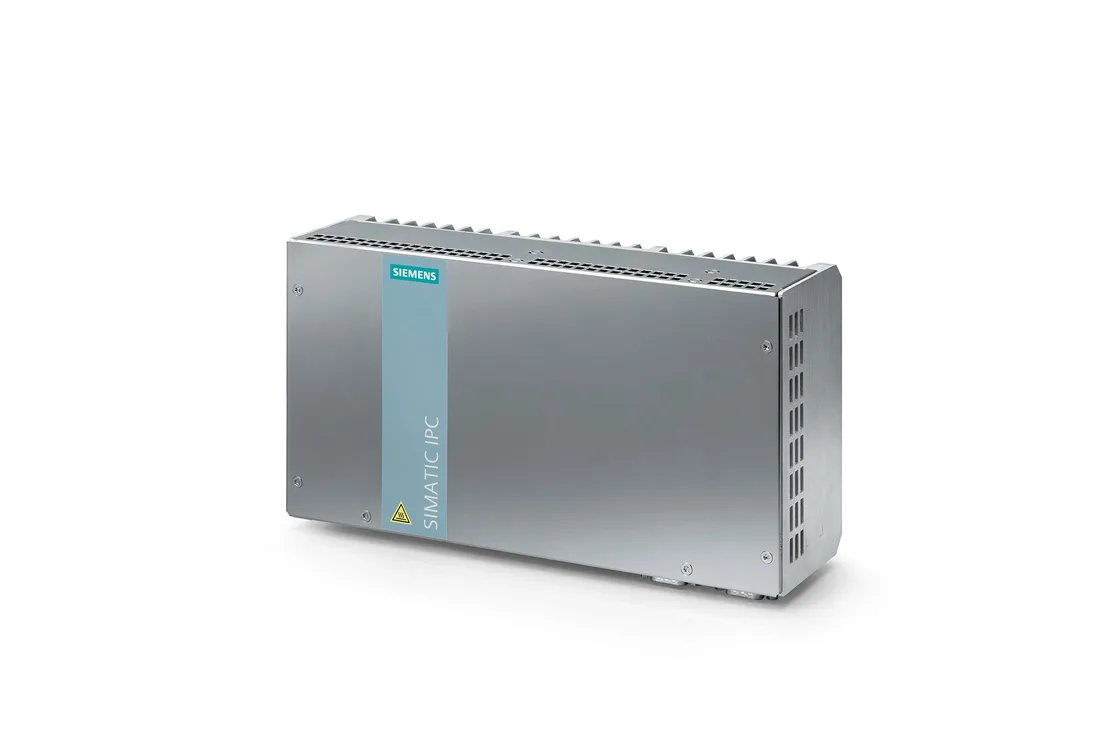
Industrial PCs brought general-purpose computing into machine control, combined with industrial I/O and real-time control software.
Core mechanism
The processor runs control software and exchanges data with sensors and actuators over field communication; the control system must also meet real-time requirements of motion or logic tasks, which installing ordinary office software cannot replace.
What to look for
- Trace the division between computing, real-time tasks and field I/O
- Compare centralized computing with separate dedicated controllers
- Tell ordinary interface programs from real-time control
Legacy
Beckhoff records its 1986 PC-based machine control application; later PLC, motion and measurement tasks were integrated on one platform
Reading limits
- This is one vendor's own development example, not a global dating of the first industrial PC
- General PC performance does not automatically mean verifiable real-time control
Key elements
Industrial computing platform
Runs control and data processing
Real-time control software
Organizes logic and motion tasks
Industrial communication and I/O
Connect machine peripherals
Museum & technical references
Explore this technology through museum and technical references.