
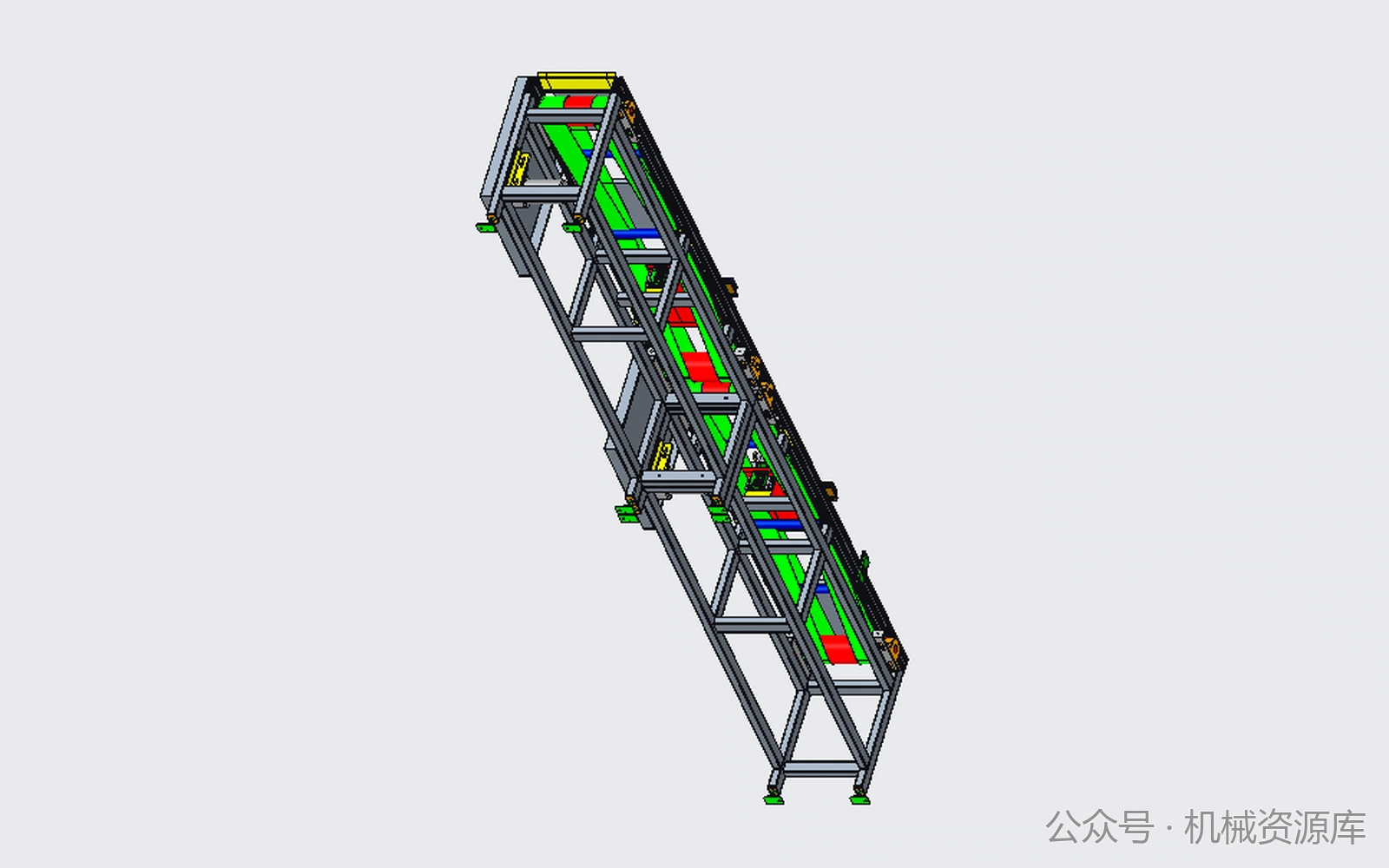

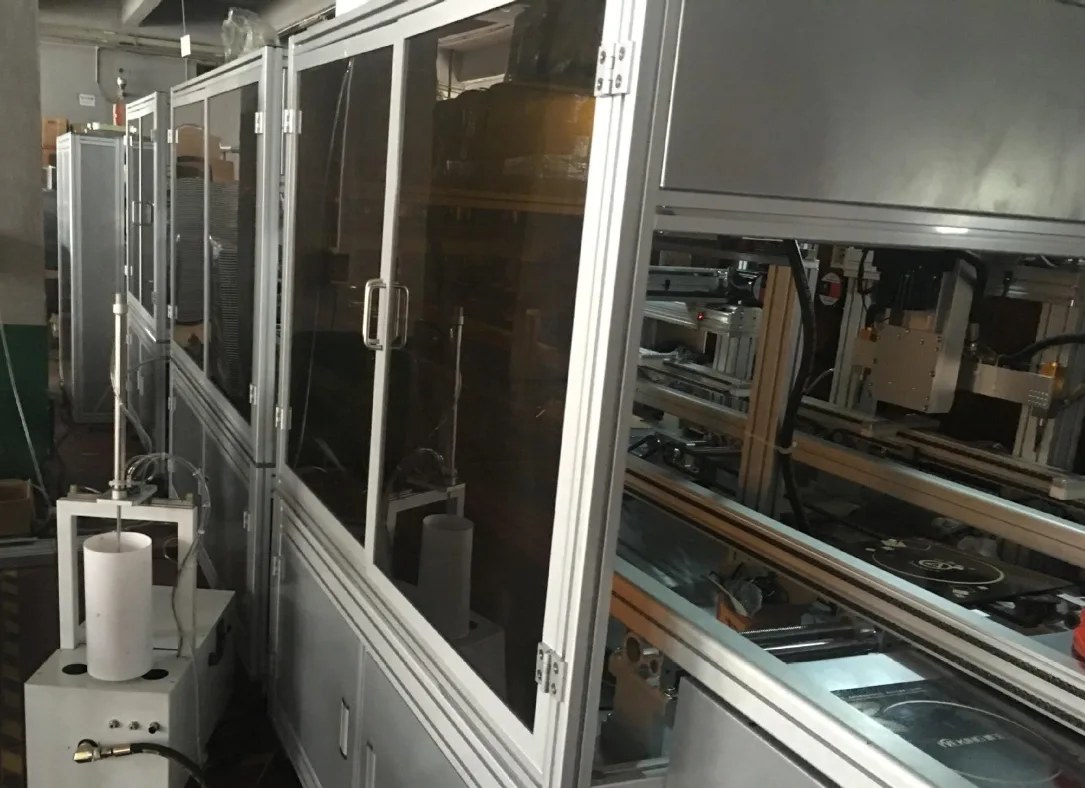
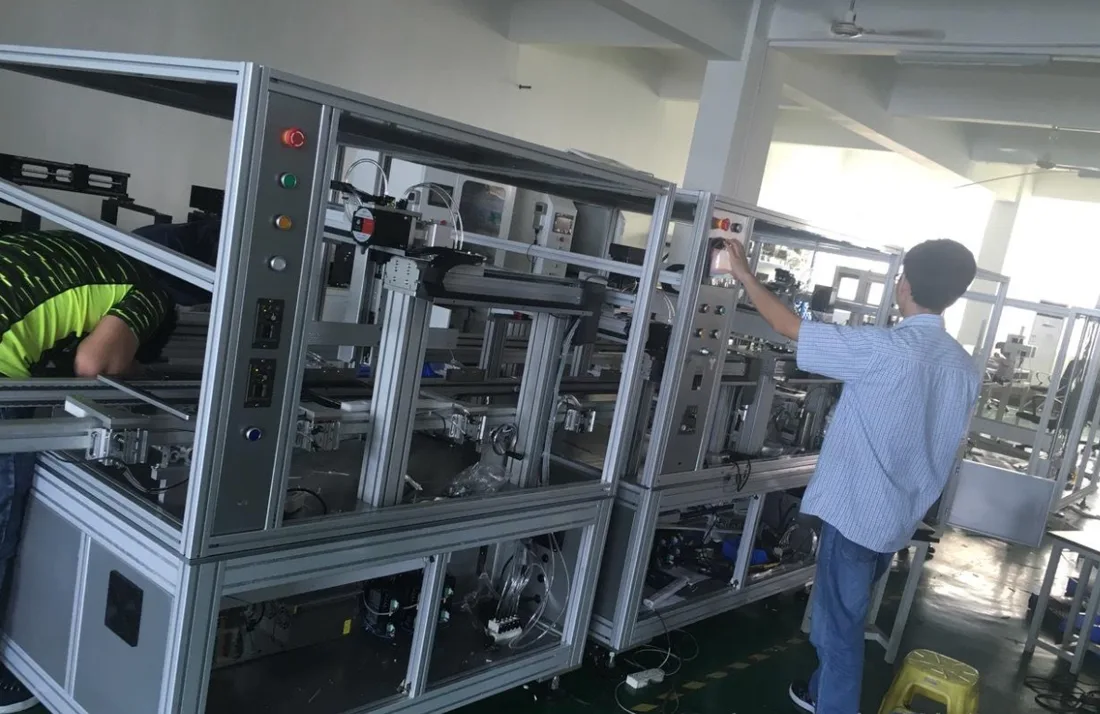
What it does
Aligns and bonds the glass or glass-ceramic panel of an induction cooker to its frame along the designed adhesive groove, controlling panel position and bond line.
How it works
The valve lays adhesive around the frame or in specified grooves, and the locating fixture closes panel and housing evenly while keeping the specified support gap. Load must be transferred into the frame's load-bearing areas, and curing must meet the adhesive's temperature, humidity or heat conditions, avoiding point loads on the glass and squeezing out all the adhesive.
Process sequence
- Clean and check panel and frame
- Locate the frame and apply adhesive
- Align and close the panel
- Hold evenly to the target gap
- Cure per the adhesive
- Check appearance and bond
Key inputs
- Glass or glass-ceramic material and frame
- Adhesive heat, humidity and adhesion requirements
- Groove shape, adhesive amount, support positions and cure environment
Common problems
- Point holding stressing the panel
- Starved grooves or overflow contamination
- Thermal expansion mismatch and movement before cure
Limits of application
- Induction heating and panel bonding are different processes
- Panel support and bond line design must suit the specific cooker; generic adhesive or arbitrary pressure cannot be substituted
Functional modules
Frame support
Supports the housing at designed load points
Panel locating
Keeps outline and functional areas aligned
Bead metering
Applies adhesive to grooves and avoids no-glue zones
Even holding
Controls bond line and waits for stability
Manufacturer & technical sources
Continue with manufacturer product pages, operating principles and technical information for this equipment type.