

What it does
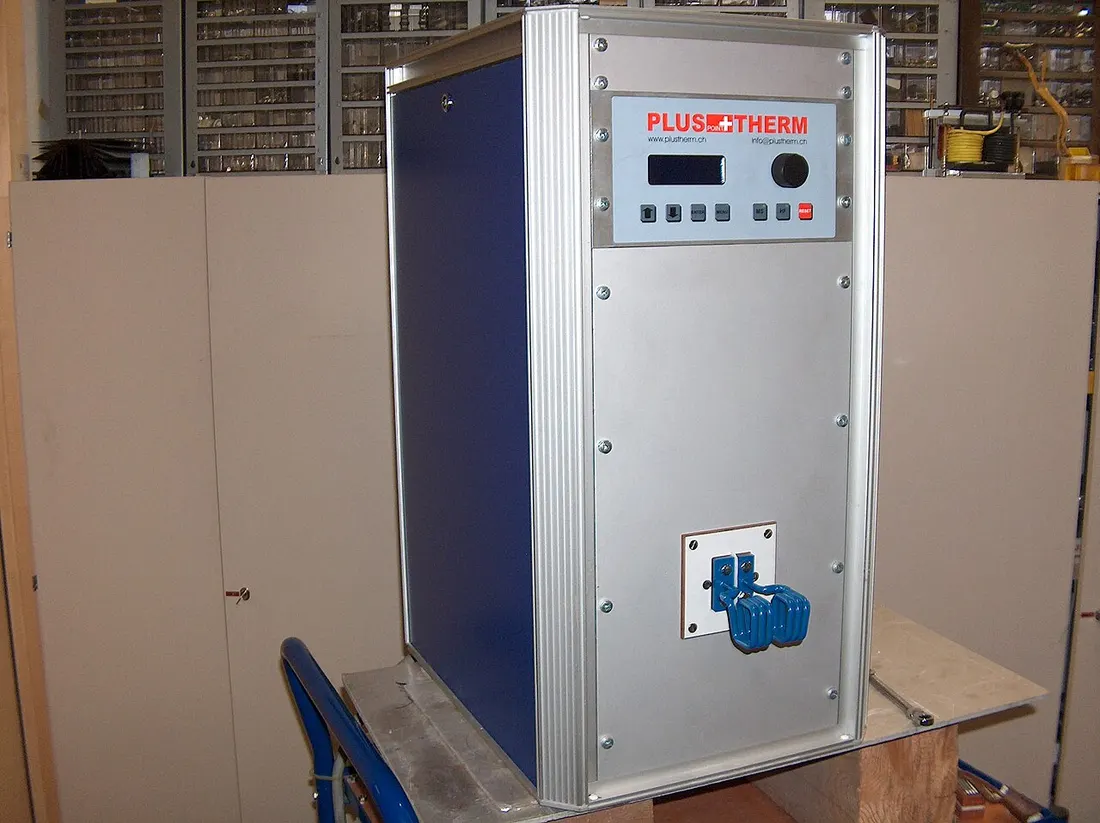
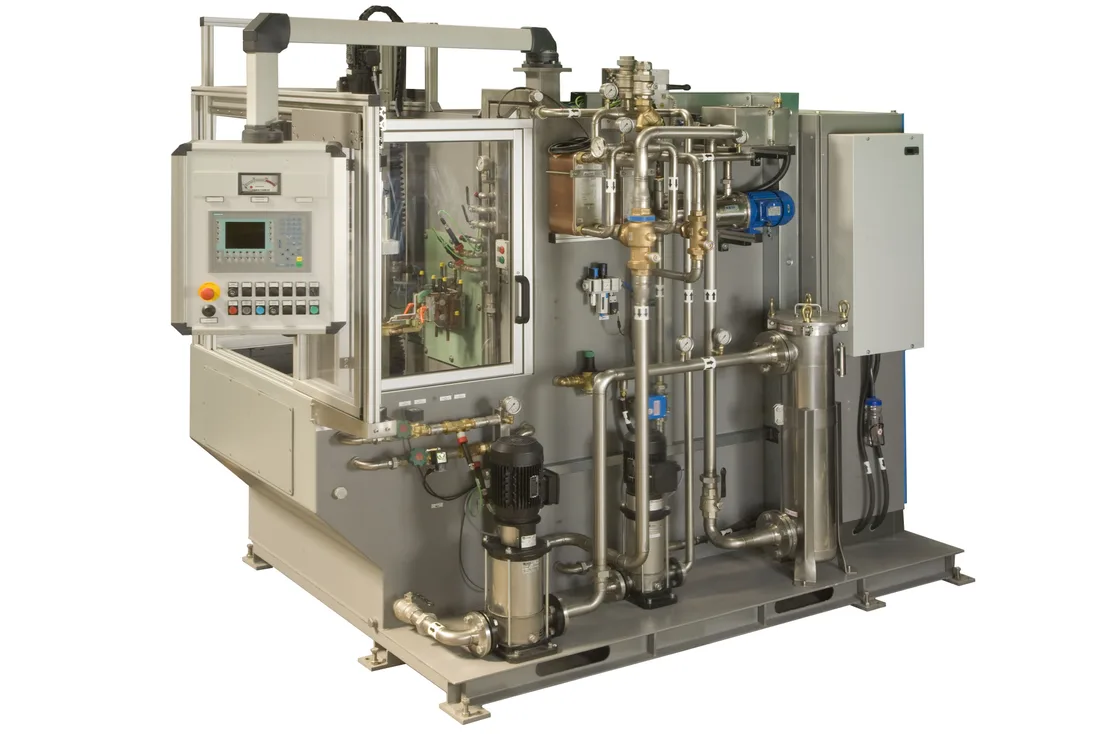
Rapidly heats specified areas with an induction coil and then quenches them to form a local hardened layer.
How it works
An alternating electromagnetic field generates heat inside the part, the surface of a suitable steel reaches austenitizing conditions and is then cooled quickly to form a hardened structure. Scanning moves the part relative to the coil and quench ring; frequency, coil shape, position and the heating and cooling process together decide hardening distribution.
Process sequence
- Confirm material and hardening area
- Position coil and part
- Heat by induction
- Scan or treat the whole area as designed
- Quench promptly and temper as required
- Check hardened layer and distortion
Key inputs
- Material hardenability
- Coil and part geometry
- Case depth and distribution
- Quench coverage and later tempering
Common problems
- Coil gap changes making heating uneven
- Blocked spray holes causing abnormal cooling
- Wrong thermal process causing cracks
- Sudden geometry changes altering local heating
Limits of application
- This method mainly uses the material's existing composition for transformation hardening
- It differs from carburizing, which diffuses carbon into the surface
- Hardened extent must be verified on actual parts
Functional modules
Power supply and coil
Produce local heating
Positioning, rotation and scanning
Move hardening areas through the coil
Quench ring and medium
Cool right after heating
Temperature monitoring
Records and stabilizes the cycle
Manufacturer & technical sources
Continue with manufacturer product pages, operating principles and technical information for this equipment type.