

What it does
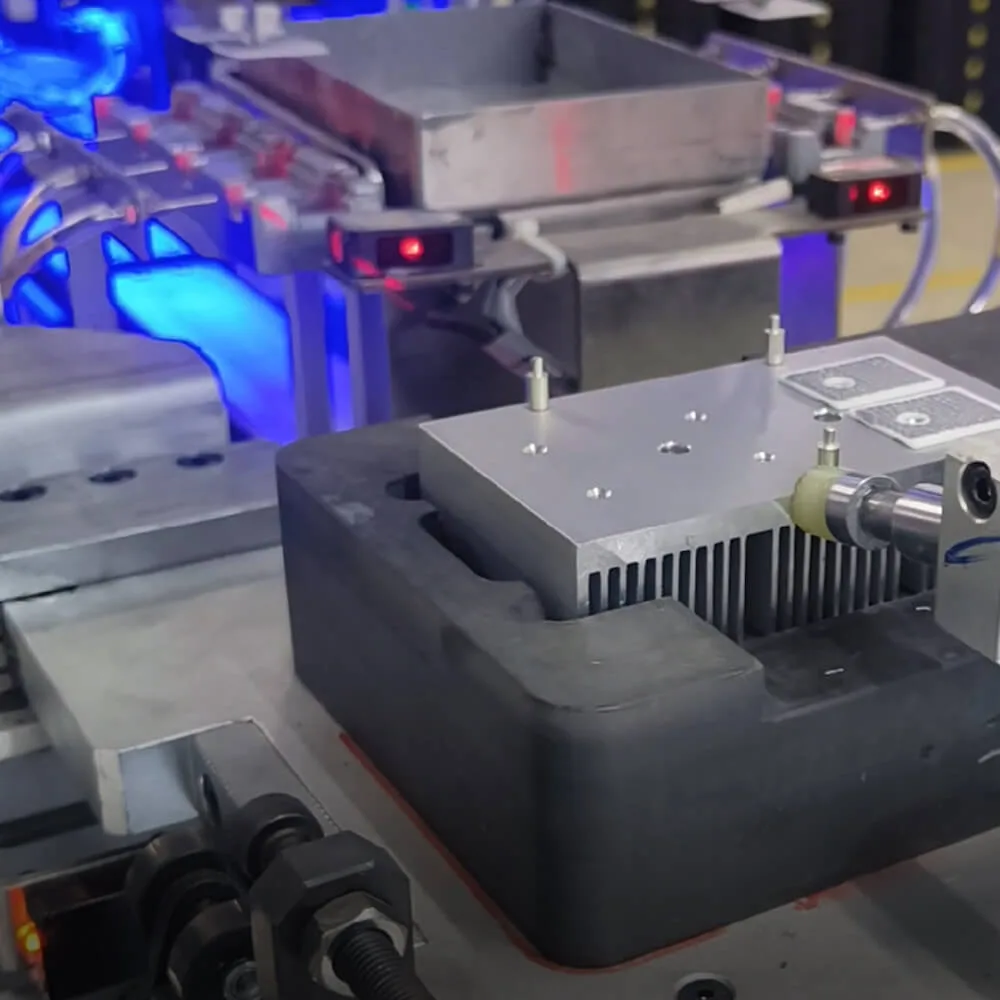
Mounts IGBT power modules on heatsinks under the specified thermal interface and fastening conditions, creating a reliable heat path.
How it works
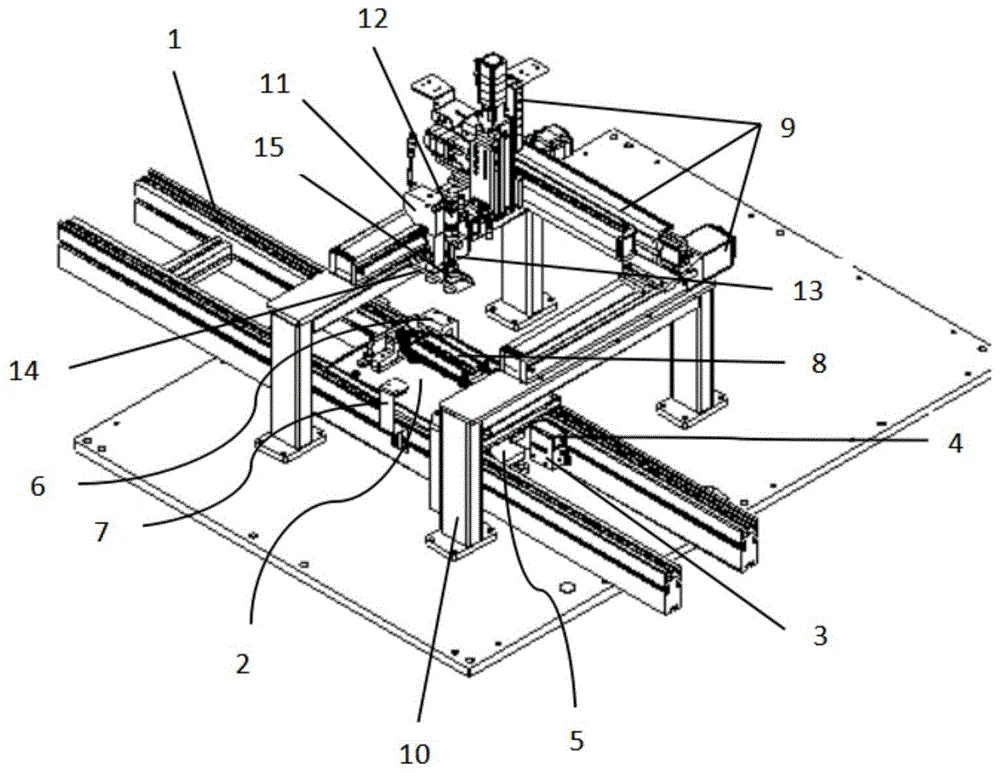
Heatsink flatness and cleanliness are confirmed first, thermal interface material is applied as the module requires, and the module is aligned with mounting holes and tightened in steps, controlling lift, tilt and local stress. The assembly head should load from permitted positions, and the order of pressing terminals into the PCB and mounting on the heatsink is set by module construction.
Process sequence
- Check contact surfaces
- Prepare thermal interface for the module
- Align and place the module
- Tighten in steps to prevent lifting
- Check assembly state
- Proceed to specified electrical and thermal tests
Key inputs
- Exact module series and baseplate construction
- Heatsink surface and interface material type
- Tightening sequence, torque and PCB terminal loads
Common problems
- Thick or uneven interface raising thermal resistance
- Over-tightened screws causing lift
- Particles, misaligned screw holes and terminals under tension
Limits of application
- Pre-applied TIM modules differ from grease applied on site
- Module mounting torque and PCB press-fit force cannot be copied across package series
Functional modules
Heatsink locating
Holds hole positions and support faces
Thermal interface handling
Controls material distribution
Module handling and fastening
Aligns and tightens in sequence
Assembly check
Confirms contact and mechanical and electrical state
Manufacturer & technical sources
Continue with manufacturer product pages, operating principles and technical information for this equipment type.