
What it does
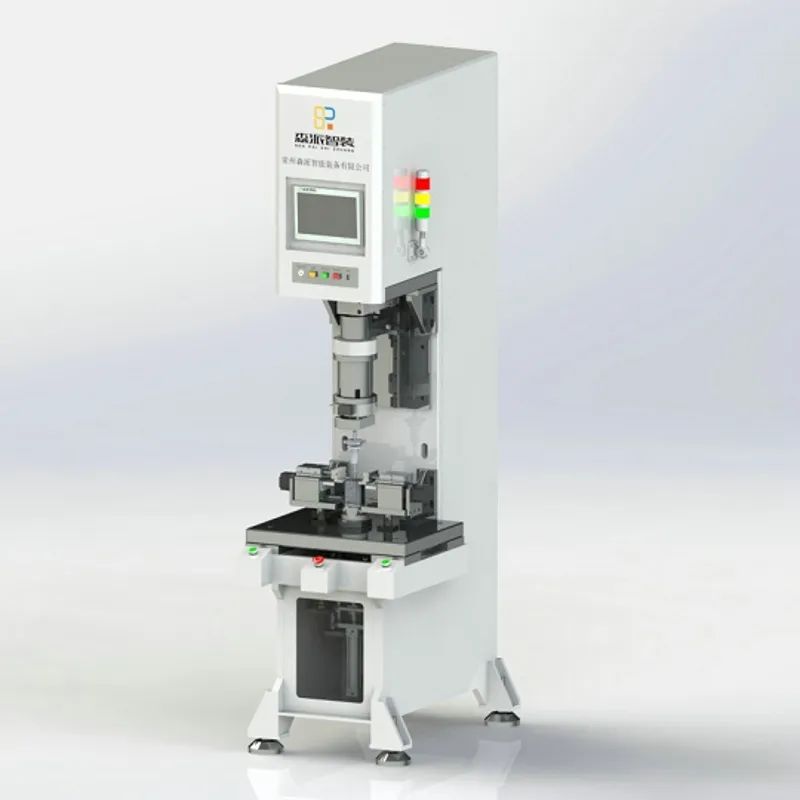
Presses bushes, bearings or inserts into specified bores of a housing, forming an assembly that holds position and fit.
How it works
The housing is located on functional datums, the mating part is guided along the bore axis, and the ram overcomes the fit resistance to reach the required depth. Support underneath should be close to the loaded area, and the force and displacement combination is used to tell normal interference from tilting and incomplete seating.
Process sequence
- Locate the housing
- Detect bore and mating part
- Pre-position for lead-in
- Press under control
- Check depth and curve
- Retract and unload the assembly
Key inputs
- Housing wall thickness and load-bearing areas
- Bore and shaft fit, chamfers and cleanliness
- Insertion depth, direction and allowable deformation
Common problems
- Thin-wall housings deforming under load
- Mating parts entering crooked or scoring
- Debris in the bore causing abnormally high force
Limits of application
- Bush pressing, seal fitting and snap-fit assembly have different forces and end points
- A single force threshold cannot serve as a universal quality standard for all housings
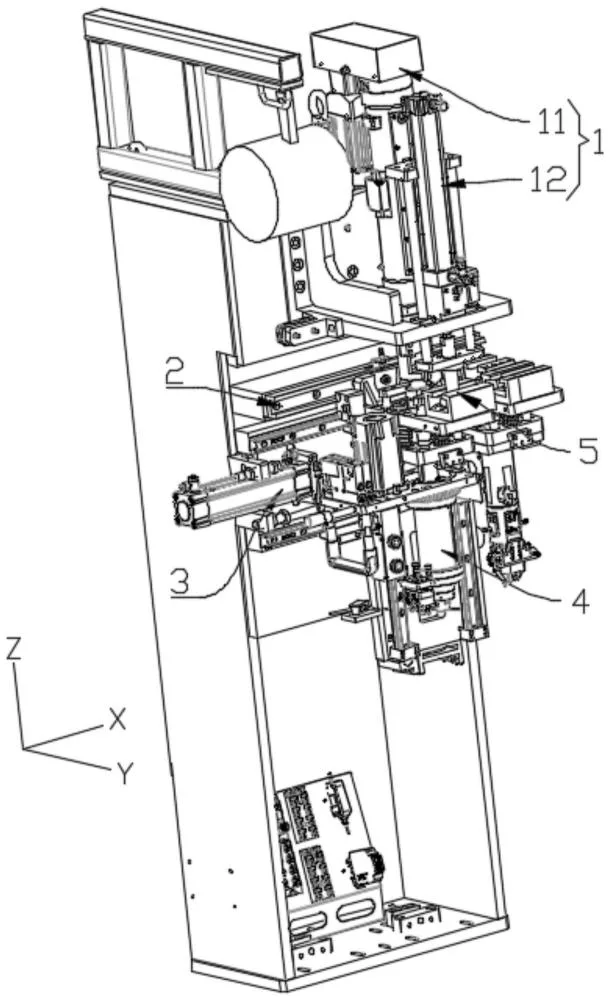
Functional modules
Housing locating
Relates bore position to the ram axis
Part lead-in
Holds orientation and guides into the bore
Ram and support
Forms a short, stable load path
Process check
Evaluates depth, resistance and part presence
Manufacturer & technical sources
Continue with manufacturer product pages, operating principles and technical information for this equipment type.