
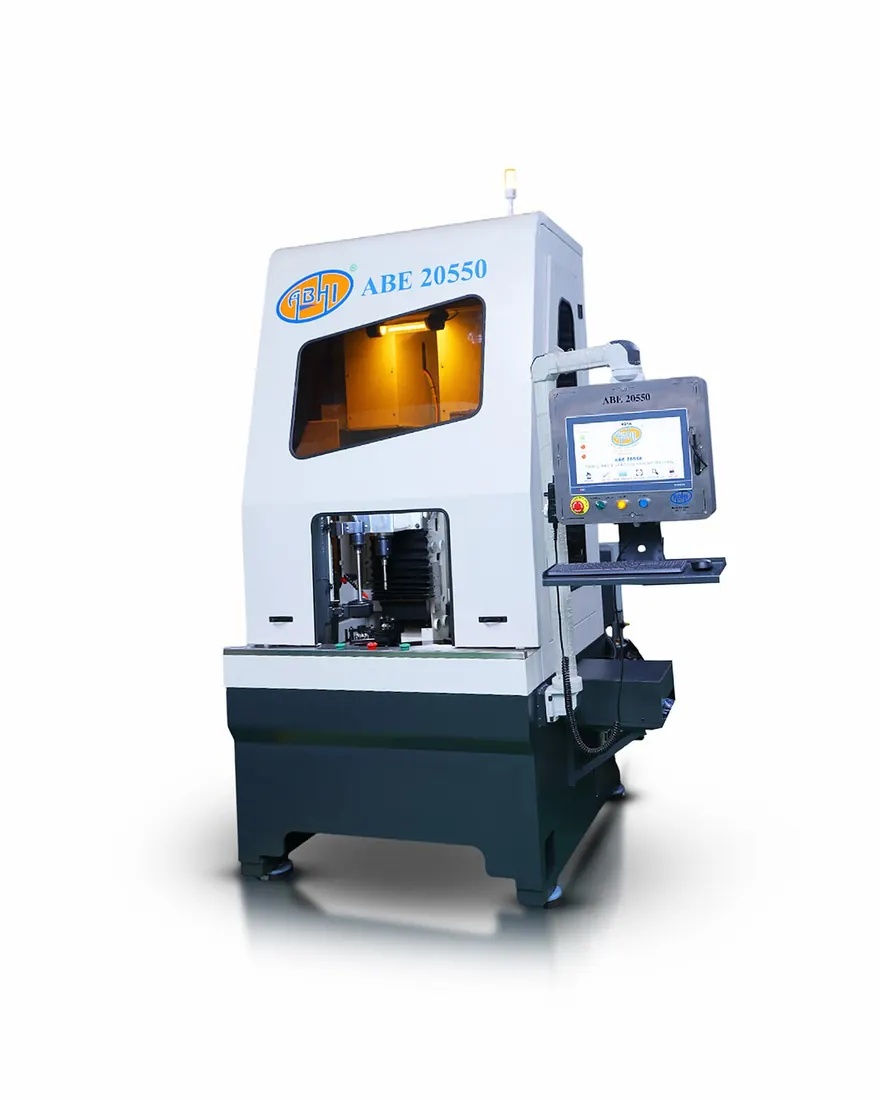


What it does
Finishes bore geometry and surface with abrasive stones under rotating and reciprocating motion.
How it works
Stones are arranged around the honing tool, which rotates in the bore and strokes axially while the stones expand against the wall. The combined motions spread abrasive over the wall, improving bore size, cylindricity and surface condition.
Process sequence
- Confirm the existing bore and allowance
- Choose tool and stones and fixture
- Rotate, stroke and expand to machine
- Split into rough and finish stages as required
- Measure bore form and surface
- Wash and unload
Key inputs
- Bore material and hardness
- Bore diameter, length and interruptions
- Allowance and target form
- Surface texture, cleanliness and measurement requirements
Common problems
- Stone length and stroke mismatch affecting form at ends and middle
- Loaded stones or swarf scratching the bore
- Workholding affecting thin-wall parts
Limits of application
- This page explains common multi-stroke bore honing
- Single-stroke and external honing are other forms
- No fixed surface texture values can be inferred from the word honing
Functional modules
Honing head and stones
Contact the bore wall and remove material
Rotation and stroke drive
Produce crossing abrasive paths
Expansion mechanism
Controls stone contact
Workholding and measurement
Keep bore datums and confirm results
Manufacturer & technical sources
Continue with manufacturer product pages, operating principles and technical information for this equipment type.