

What it does
Folds an outer panel's flange over the edge of the inner panel, mechanically joining thin sheet parts.
How it works
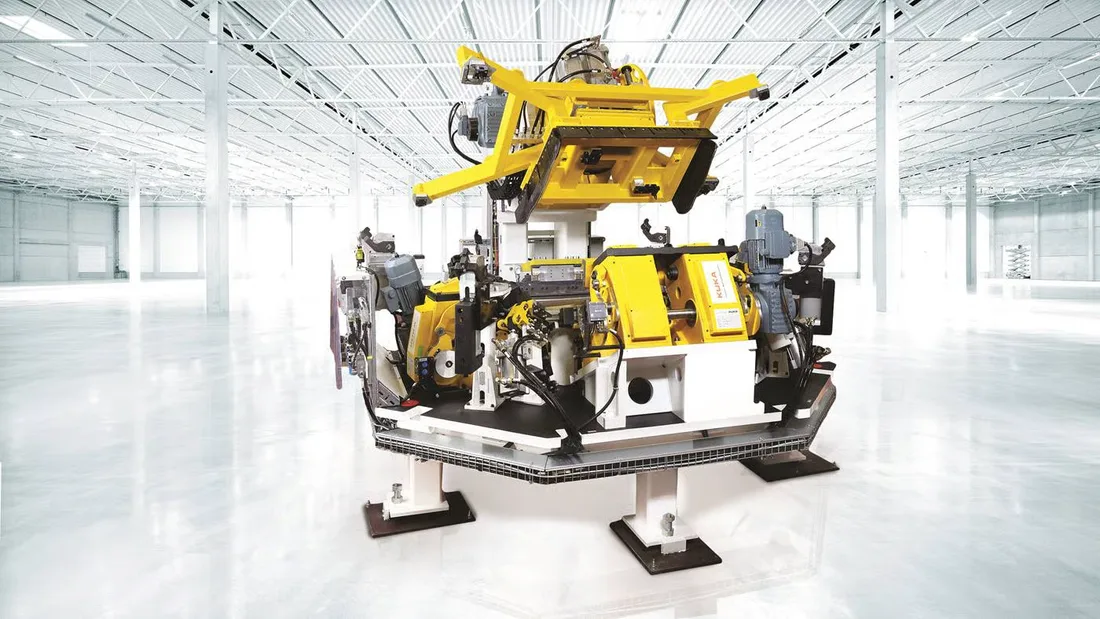
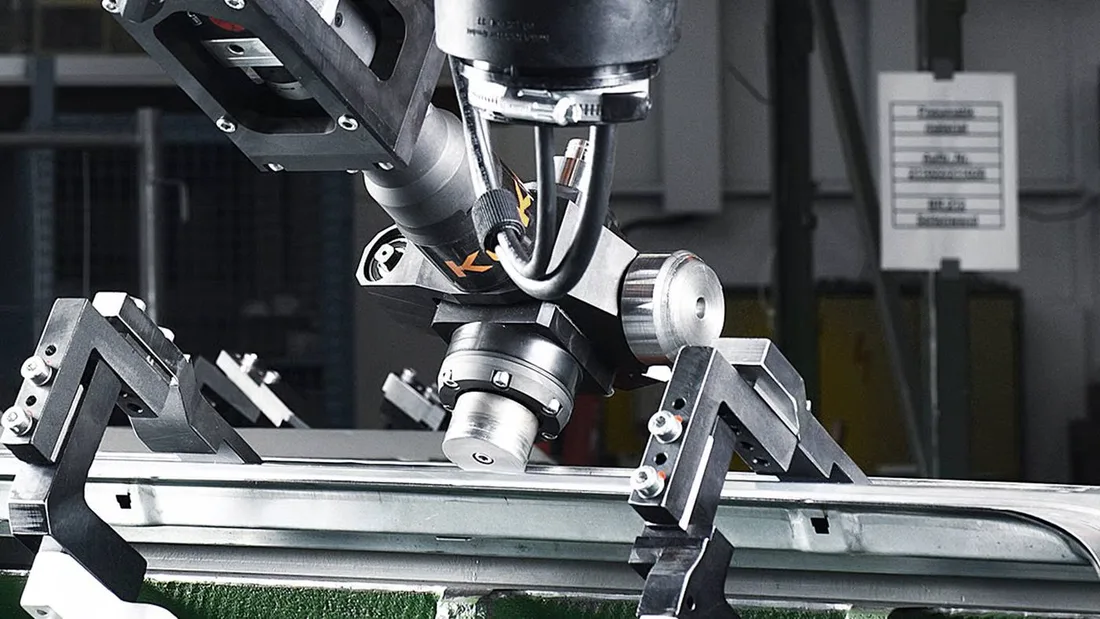
Taking roller hemming of car closures as an example, inner and outer panels keep their relative position in the nest, and a robot with a roller pre-folds and then flattens the flange along the edge in stages. Table-top hemming forms edges with a dedicated pressing mechanism, and the two can be combined; hem quality depends on flange condition, support and the forming path at each stage.
Process sequence
- Check inner and outer panels and flanges
- Locate, stack and hold down
- Pre-fold along the edge
- Continue folding and final flatten
- Release clamping
- Check gap, surface and edge
Key inputs
- Inner and outer panel material and thickness
- Flange angle and length
- Part contour and tool access
- Hold-down datums and hem appearance requirements
Common problems
- Locating variation giving uneven hem width
- Weak local hold-down causing waviness
- Wrong path or pressure leaving surface marks
- Poor edge condition causing cracks
Limits of application
- This page mainly covers hemming inner and outer closure panels
- Flattening a single sheet edge does not necessarily join panels
- Roller, table-top and hybrid processes differ in motion and output and must be confirmed separately
Functional modules
Nest and hold-downs
Keep inner and outer panels and edges in place
Roller head or hemming mechanism
Folds the flange step by step
Robot or dedicated drive
Organizes the forming motion around the edge
Inspection and loading
Check hems and link steps
Manufacturer & technical sources
Continue with manufacturer product pages, operating principles and technical information for this equipment type.